





See Also: Geotab, Free2move Partner on Telematics for Stellantis
Stellantis Debuts Hurricane ICE Engine, 15% Better MPG
As Stellantis aims for a 50% battery-electric vehicle (BEV) sales mix by 2030, the company says internal combustion engines will play a key role in its portfolio for years to come.
March 31, 2022
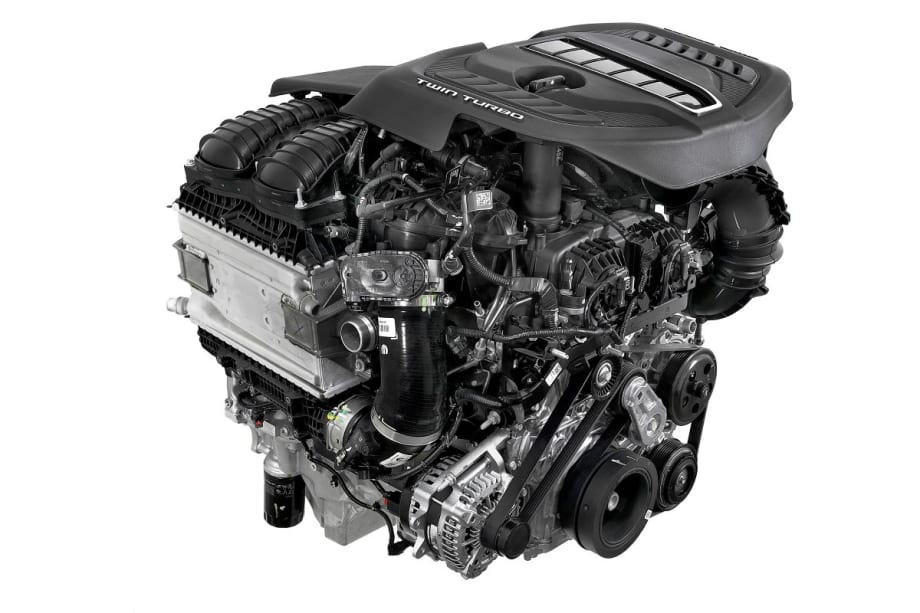
The Hurricane twin-turbo I-6 is the primary internal combustion power plant of the future in North America for vehicles using the STLA Large and STLA Frame platforms, including Wrangler, Cherokee, and Grand Cherokee models.
Source: Stellantis
2 min to read
Automaker Stellantis introduced its 3.0L, twin-turbo, inline, six-cylinder engine, named Hurricane. According to a statement, the Hurricane delivers better fuel economy and fewer emissions than larger engines while at the same time generates more horsepower and torque than many competitors’ naturally aspirated V-8 and boosted six-cylinder power plants. Designed with an I-6 configuration, the Hurricane twin-turbo’s base architecture enables Stellantis propulsion systems engineers to create two variants:
Standard Output (SO): Optimized for fuel economy, including the use of cooled exhaust gas circulation (EGR), while delivering enhanced power and torque (about 400 hp/450 lb.-ft. of torque)
High Output (HO): Optimized for performance (about 500 hp/475 lb.-ft.) while maintaining fuel economy during heavy use, such as towing
“As Stellantis aims to become the U.S. leader in electrification, with a 50% battery-electric vehicle (BEV) sales mix by 2030, internal combustion engines will play a key role in our portfolio for years to come and we owe it to our customers and the environment to provide the cleanest, most efficient propulsion possible,” said Micky Bly, Stellantis head of propulsion systems. “The Hurricane twin-turbo is a no-compromise engine that delivers better fuel economy and an important reduction in greenhouse gases without asking our customers to give up performance.”
The foundation of the Hurricane twin-turbo is a deep-skirt cast-aluminum block with a structural aluminum alloy oil pan. Cross-bolted steel main bearing caps contain the strong rotating assembly of a forged steel crankshaft and forged steel connecting rods. During manufacturing the block is deck-plate honed to optimize the cylinder bore shape, which helps improve fuel efficiency.
The 3.0L Hurricane twin-turbo I-6 shares design features, including bore and stroke and cylinder spacing, with the globally produced turbocharged 2.0L I-4. In North America, the 2.0L engine is currently available in the Jeep Wrangler, Wrangler 4xe, Cherokee and recently launched Grand Cherokee 4xe. The 3.0L Hurricane twin-turbo I-6 is produced at Stellantis’ Saltillo Engine Plant in Mexico.
More Maintenance

Sponsored•October 1, 2026
Fleet Manager’s Ultimate Playbook: Navigating the New Standard in OEM Connectivity
Rising operating costs, driver safety concerns, and unplanned downtime are putting unprecedented pressure on modern fleets. Discover how fleet managers use embedded OEM connectivity and real-time vehicle data to cut TCO, prevent downtime, and protect drivers without aftermarket telematics hardware.
Read More →
How Can Fleet Managers Tell Which Repairs Require Closer Review?
Fleetio’s Brianna Perry demonstrates how Service Advisor evaluates maintenance requests, identifies pricing anomalies, and provides the context fleet managers need to focus their attention on potential problems.
Read More →
Why Roadside Assistance Belongs in a Fleet Risk Strategy
Roadside assistance is more than a tow. See how the right partner can protect drivers, uncover fleet trends, and strengthen your risk strategy.
Read More →
Sponsored•August 7, 2026
Hidden in Plain Sight: Fleet Compliance Risks
Fleet compliance isn't just about having policies — it's about consistently enforcing them. This practical guide reveals six hidden compliance risks common in public sector and shared fleet operations and outlines proven strategies to improve visibility, accountability, and audit readiness
Read More →
How Maintenance Costs Compare Across 27 Fleet Vehicles
Vincentric’s three-year, 60,000-mile projections reveal wide differences for both scheduled and unscheduled maintenance among selected vehicle categories. Projected maintenance visits also play a factor.
Read More →
The EV Breakdown Nobody's Talking About: Why Most Electric Vehicle Roadside Calls Aren't Mechanical Failures
Here's why EV breakdowns are widely misunderstood.
Read More →
How Stellantis Plans to Get Ahead of Fleet Downtime
Keeping fleet vehicles on the road has become as important as buying them. Darren Bradshaw of Mopar North America explains how connected vehicle data, AI, and proactive service strategies are helping Stellantis reduce downtime and move closer to predictive maintenance.
Read More →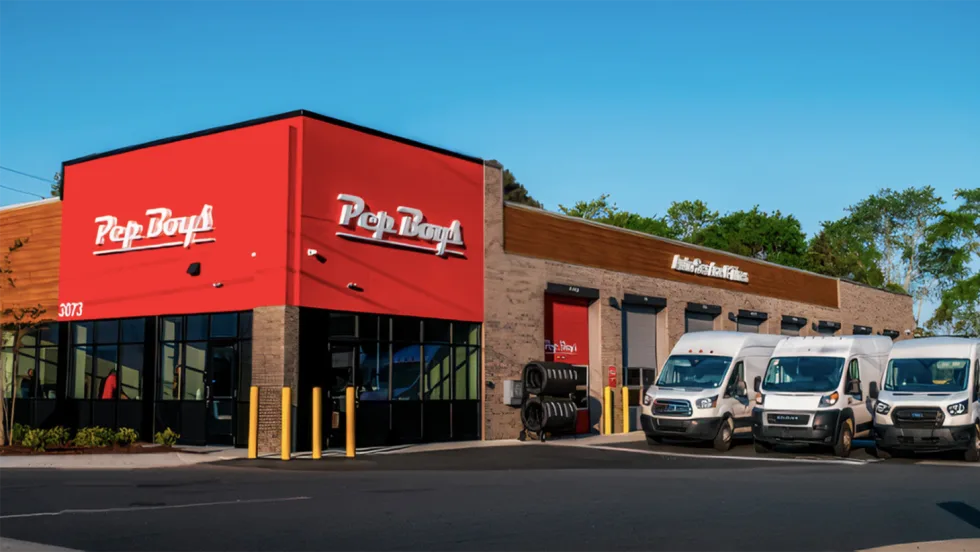
Merchants Fleet Expands Maintenance Network with Pep Boys
Merchants Fleet has expanded its relationship with Pep Boys, increasing the service provider's role within its national maintenance network. The move is intended to enhance maintenance coordination and support commercial fleets through Pep Boys' nationwide footprint.
Read More →
The Two Biggest Summer Downtime Threats for Fleets
A conversation with a maintenance expert reveals the two most common summer maintenance pains and how to prevent them.
Read More →
From Marine Corps Motor Pool to Managing 460 Fleet Vehicles
Cesar Ayala of O’Connell Landscape Maintenance shares how he transitioned from the Marine Corps to managing a 460-vehicle fleet—and the real-world challenges of maintenance, compliance, and driver management in California.
Read More →