




State Panel Seeks Input on Smog
AUSTIN — A legislative mandate to reduce vehicle emissions in the Houston area will be discussed at Texas Commission on Environmental Quality public hearings this month.
AUSTIN — A legislative mandate to reduce vehicle emissions in the Houston area will be discussed at Texas Commission on Environmental Quality public hearings this month, according to www.thefacts.com.
Senate Bill 12, passed last legislative session, made changes to Texas Emissions Reduction Program guidelines, said Steve Dayton, team leader for grant contract development with the TCEQ in Austin. Although officially a law Sept. 1, HB12 won’t be in effect until at least two public comment periods are passed, likely by the end of the year, Dayton said.
Brazoria County is part of the Houston-Galveston region on the non-attainment list because of high levels of ozone from the burning of fossil fuels.
Replacing older vehicles will help lower emissions, Dayton said. There are currently no penalties for individuals who drive high-emission vehicles, said commission spokeswoman Andrea Morrow.
Even though Southern Brazoria County is included in the Houston-area non-attainment zone, Dow Chemical Co.’s monitor in Lake Jackson hasn’t recorded a day of non-attainment in two years, said Dow spokeswoman Tracie Copeland.
Dow maintains a large fleet of vehicles and welcomes new emissions laws, she said.
“Mobile sources are widely known to be the largest contributor of emissions which result in non-attainment, so I’m pleased to see this being addressed,” Copeland said. “As Dow’s fleet vehicles are replaced, we’ll look at all our options to bring in those with excellent environmental performance.”
There are three changes open for comment Sept. 11.
The first would allow TCEQ to pay $15,000 per ton instead of $13,000 per ton of nitrogen oxide emissions removed from the environment by retiring or repairing a piece of equipment 10 years or older. State funding would go to operators of fleets or heavy equipment either for replacement of equipment taken out of service or retrofitted with more efficient emissions control, Dayton said.
“This allows us to pay more per ton of emissions,” he said. “It determines how much we will pay for a particular project, whether we do replacement or retrofitting, and determines how much we can do.”
Vehicles retrofitted or funded through the program must be used 75 percent of the time in a non-attainment county.
The second proposed change would allow travel in counties adjacent to the affected area to go toward that 75 percent threshold, Morrow said.
The third calls for the destruction of vehicles purchased under Texas Emission Reduction Program rules.
“In the past we allowed the option of allowing them to be permanently removed from Texas,” Dayton said. “Now they must be scrapped.”
Also up for public comment Sept. 11 is the Aircheck Texas Drive A Clean Machine Vehicle Exchange Program. The plan provides down payments of up to $3,000 for automobiles 2004 or newer if vehicles 1996 or older are surrendered to the state, said program spokeswoman Maree Flores in Houston.
If someone buys a hybrid vehicle, they could received up to $3,500. Money for the program comes from Texas vehicle inspection fees, with $6 per inspection going to a statewide account.
Vehicles must be registered in Brazoria, Fort Bend, Harris, Galveston or Montgomery Counties, Brazoria County.
To qualify, a car or truck must be 10 years or older and passed a Texas Department of Public Safety inspection but failed an emissions test. The owner must have title to the car. If a vehicle is not driveable and has failed an emissions test, it also qualifies, Flores said.
The program isn’t a low-income project, but is designed to get older cars off the road, Flores said. A household of one must have an income of $20,420 with a family of four as much as $41,300. Add $6,960 for each household member.
The buyback program will not take effect until Dec. 10.
More Operations
How to Manage Conflict for Your Fleet Operations
Conflict management is becoming a core leadership skill. Here are five strategies fleet leaders should know.
Read More →
Turning Connected Vehicle Data Into Decisions That Matter
Fleet leaders have more data than ever, but turning that data into clear, actionable decisions remains a challenge. This white paper shows how leading organizations are using connected vehicle data to improve safety, reduce costs, and optimize fleet performance. Learn how to turn insight into action across your fleet.
Read More →
Cameras, Safety and Insurance: From Reactive Claims to Real-time Prevention
Commercial auto remains one of the most challenging and costly lines of coverage for fleet operators and insurers alike. Learn more about how to effectively address these issues from Onur Aksan, Enterprise Business Development Executive, Geotab.
Read More →

Are You Tracking Your Fleet's True Total Cost of Ownership?
Bobit Business Media surveyed 190 fleet professionals and found that while most fleets are tracking costs, fragmented systems and data gaps are keeping true TCO visibility out of reach. With rising pressure to control spend in an increasingly volatile environment, the gap between what fleets think they know and what the data actually shows is wider than you might expect. See how your peers are managing costs today and where the industry still has room to improve.
Read More →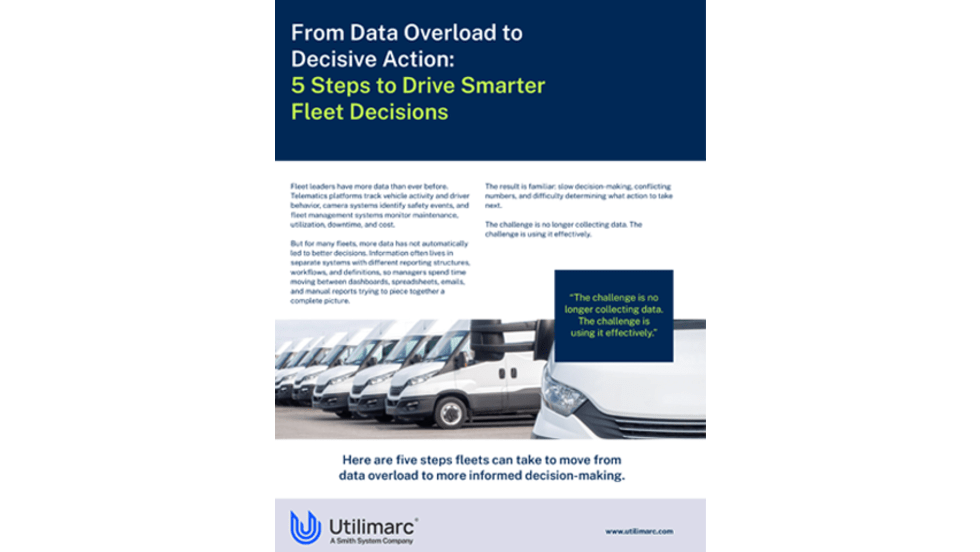
Turn Fleet Data Into Smarter Decisions
Fleet leaders have access to more operational data than ever, but disconnected systems and unclear metrics often slow decision-making instead of improving it. This article outlines five practical steps fleets can take to transform fragmented data into actionable insights that improve planning, safety, utilization, and long-term performance.
Read More →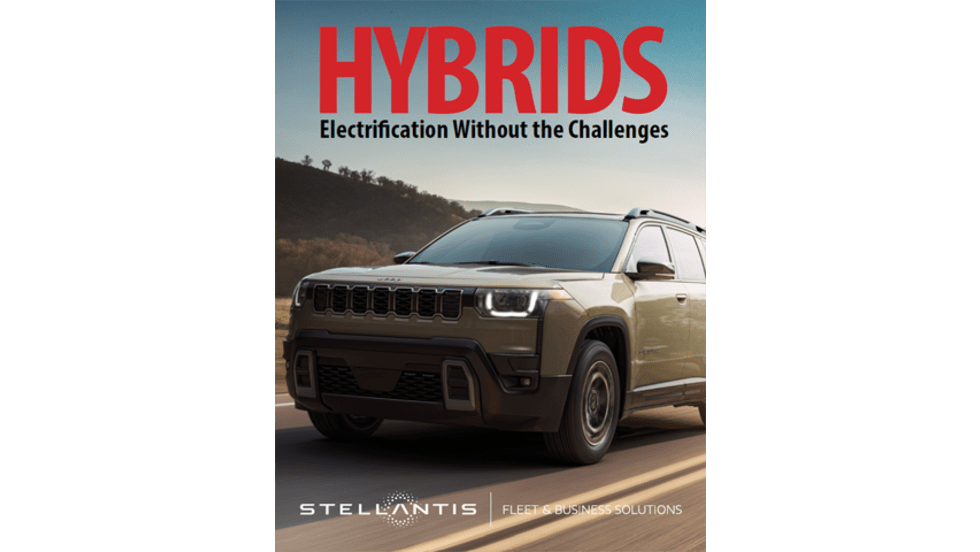
Hybrids: Electrification Without the Challenges
For fleet managers, fuel is one of the biggest line items in the budget — and it's one hybrids can shrink without changing how your people work. Download the eBook to see the numbers, understand the technology, and get a step-by-step guide to making the switch.
Read More →
How NOV Uses Telematics to Improve Fleet Safety Across 160 Locations
James Victory of NOV discusses how the company manages fleet safety, maintenance, and telematics across more than 150 locations supporting oilfield operations throughout the U.S.
Read More →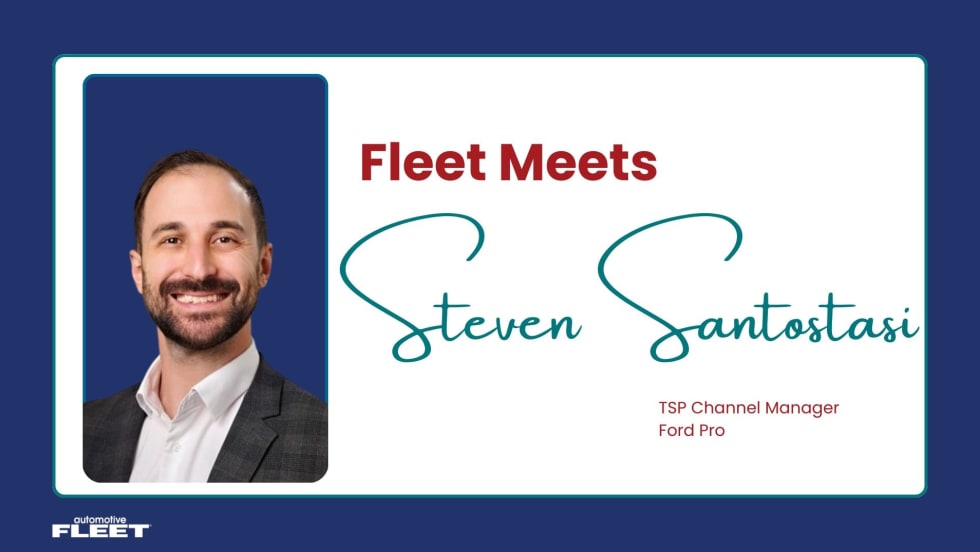
Fleet Meets: Steven Santostasi
This edition of the Fleet Meets series features Steven Santostasi, the current TSP channel manager for Ford Pro.
Read More →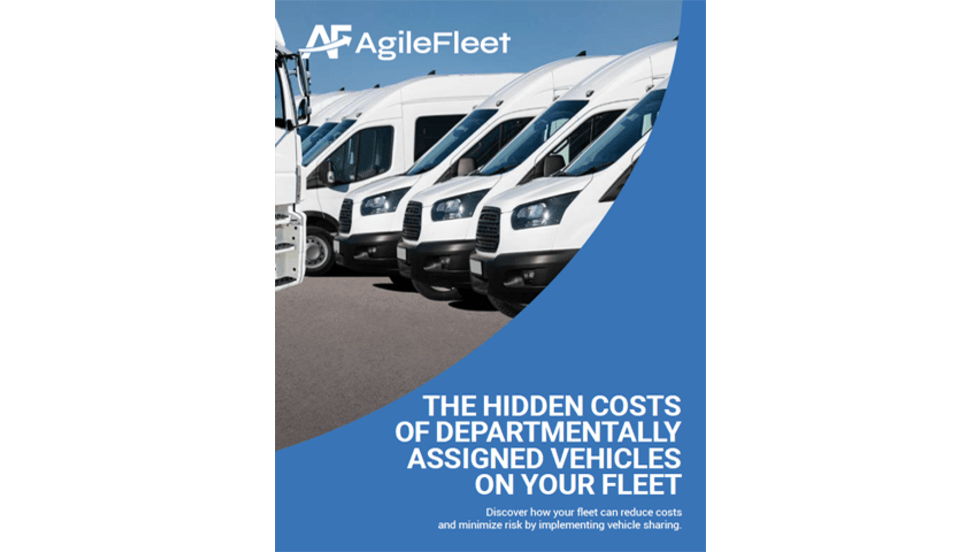
Why Fleet Managers Are Replacing Departmental Vehicles with Shared Motor Pools
Departmentally assigned vehicles often create hidden costs through underutilization, poor visibility, and increased administrative burden. This white paper explores how shared motor pool strategies help fleets reduce costs, improve accountability, and optimize vehicle utilization.
Read More →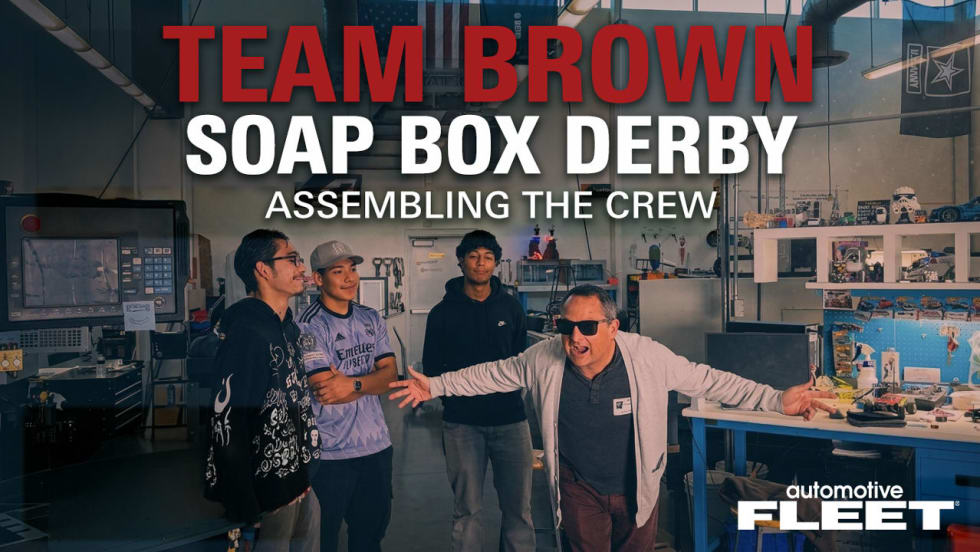
Soap Box Derby Challenge: Assembling the Crew
Meet Gabriel, Matthew, and Angel — the team helping bring this soap box derby build to life.
Read More →