




State of New York Announces Partnership With Clean Energy
New York Governor George Pataki announced on June 24 a new public-private partnership between the state and Clean Energy — a provider of vehicular natural gas in North America — that will create a "clean fuel corridor" in New York by opening eight compressed natural gas (CNG) fueling stations across the state to the public for the first time.
New York Governor George Pataki announced on June 24 a new public-private partnership between the state and Clean Energy — a provider of vehicular natural gas in North America — that will create a "clean fuel corridor" in New York by opening eight compressed natural gas (CNG) fueling stations across the state to the public for the first time. The initiative will make CNG fuel more readily available and further promote the use of clean-fueled vehicles by local governments, schools, businesses and other New Yorkers. Current law allows state-operated fueling stations to sell only to state vehicles. In order to extend fueling availability beyond state agencies and facilitate the use of clean-fueled vehicles in the state, New York recently entered into an innovative partnership with Clean Energy to build a network of high volume, CNG stations on state-owned lands in major metropolitan areas or along heavily traveled routes. New York State's agreement with Clean Energy calls for the company to take over operations and management of seven existing, state-owned, high-volume CNG stations located throughout the state and to construct one new station. The eight stations recently opened to the general public, as well as local governments, and are available 24 hours a day, seven days a week. The agreement also allows for the consideration of additional sites in the future. According to Clean Energy, using natural gas is one of the best ways to reduce harmful air pollutants because natural gas burns cleaner than gasoline and other alternative fuels, reducing tailpipe emissions by up to 95 percent. In addition, factory-built natural gas vehicles produce emission levels lower than any other fuel except for hydrogen, even lower than some electric cars, when power plant emissions are taken into account. New York State's Clean Fueled Vehicle Program was created in 1996 through the Clean Water/Clean Air Bond Act. The program was established with the purpose of acquiring clean-fueled vehicles for state use and testing and evaluating new technologies. Beginning in model-year 1997, the Federal Energy Policy Act of 1992 (EPAct) required state agencies to increase their acquisitions of alternative-fueled vehicles for state fleets. New York State has exceeded these federally mandated requirements for the sixth consecutive year — in model year 2003, by nearly 14 percent. In 1995, the state owned almost no clean-fueled vehicles. New York State currently has close to 4,000 alternative-fueled vehicles in its fleet, using a variety of different fuels, such as CNG, ethanol, propane, electric and hybrid vehicles. These vehicles make up almost 29 percent of the total vehicles in the state's fleet. By 2009, that number is expected to jump to 62 percent. CNG burns cleaner and produces as much as 95 percent less smog-forming emissions than gasoline, diesel and propane and because of this, also requires less maintenance on engines. Currently, the state operates 48 CNG stations, including the Clean Energy Stations. For more information on New York's Clean Fueled Vehicles Program visit www.ogs.state.ny.us/cleanfuels.
More Operations
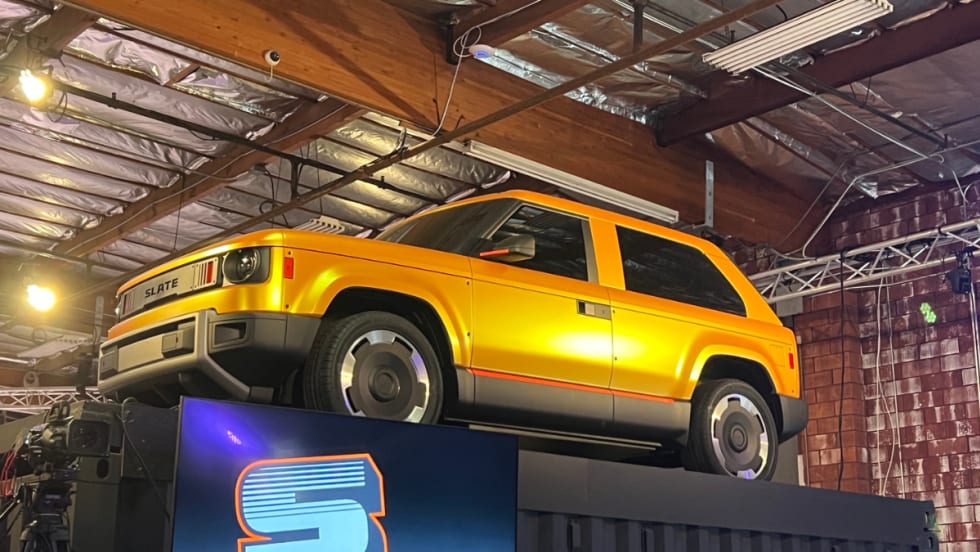
Slate Electric SUV, Pickup Switchable Model Aims For Light-Duty Fleets
Everything about this EV is counterintuitive and understated, making it stand out from the crowd.
Read More →
How to Manage Conflict for Your Fleet Operations
Conflict management is becoming a core leadership skill. Here are five strategies fleet leaders should know.
Read More →
Turning Connected Vehicle Data Into Decisions That Matter
Fleet leaders have more data than ever, but turning that data into clear, actionable decisions remains a challenge. This white paper shows how leading organizations are using connected vehicle data to improve safety, reduce costs, and optimize fleet performance. Learn how to turn insight into action across your fleet.
Read More →

Cameras, Safety and Insurance: From Reactive Claims to Real-time Prevention
Commercial auto remains one of the most challenging and costly lines of coverage for fleet operators and insurers alike. Learn more about how to effectively address these issues from Onur Aksan, Enterprise Business Development Executive, Geotab.
Read More →
Are You Tracking Your Fleet's True Total Cost of Ownership?
Bobit Business Media surveyed 190 fleet professionals and found that while most fleets are tracking costs, fragmented systems and data gaps are keeping true TCO visibility out of reach. With rising pressure to control spend in an increasingly volatile environment, the gap between what fleets think they know and what the data actually shows is wider than you might expect. See how your peers are managing costs today and where the industry still has room to improve.
Read More →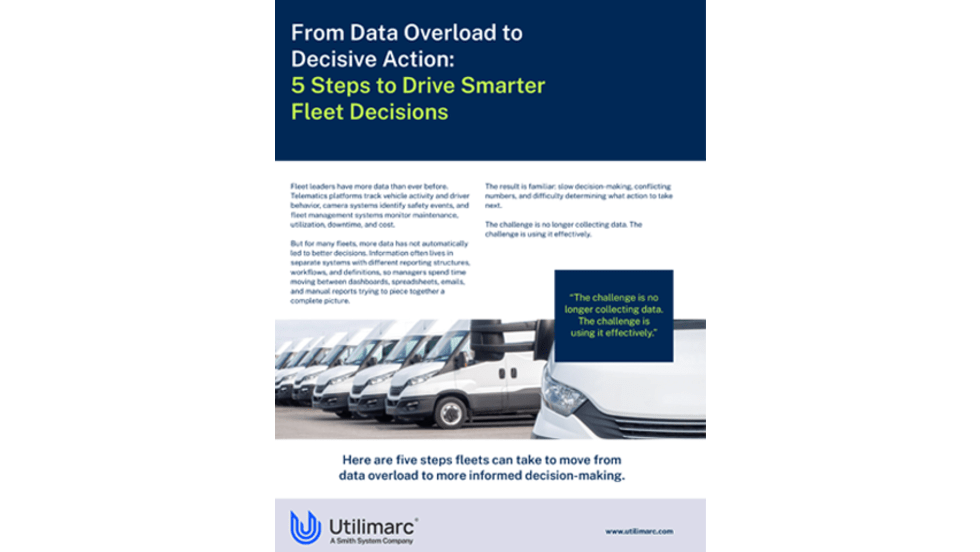
Turn Fleet Data Into Smarter Decisions
Fleet leaders have access to more operational data than ever, but disconnected systems and unclear metrics often slow decision-making instead of improving it. This whitepaper outlines five practical steps fleets can take to transform fragmented data into actionable insights that improve planning, safety, utilization, and long-term performance.
Read More →
Hybrids: Electrification Without the Challenges
For fleet managers, fuel is one of the biggest line items in the budget — and it's one hybrids can shrink without changing how your people work. Download the eBook to see the numbers, understand the technology, and get a step-by-step guide to making the switch.
Read More →
How NOV Uses Telematics to Improve Fleet Safety Across 160 Locations
James Victory of NOV discusses how the company manages fleet safety, maintenance, and telematics across more than 150 locations supporting oilfield operations throughout the U.S.
Read More →
Fleet Meets: Steven Santostasi
This edition of the Fleet Meets series features Steven Santostasi, the current TSP channel manager for Ford Pro.
Read More →
Why Fleet Managers Are Replacing Departmental Vehicles with Shared Motor Pools
Departmentally assigned vehicles often create hidden costs through underutilization, poor visibility, and increased administrative burden. This white paper explores how shared motor pool strategies help fleets reduce costs, improve accountability, and optimize vehicle utilization.
Read More →