




Staples Adds All-Electric Vehicles to Delivery Fleet
FRAMINGHAM, MA - As part of an ongoing initiative to achieve a 40-percent improvement in fleet fuel economy by 2015, Staples is adding 41 new all-electric trucks to its commercial delivery fleet.
FRAMINGHAM, MA - Starting in November, Staples will advance its commercial delivery fleet by introducing 41 new all-electric, class six trucks in California, Missouri, and Ohio. Thirty will operate in California, 10 in Ohio, and one in Missouri.
Staples' new all-electric delivery trucks are part of an ongoing fuel efficiency initiative, started in 2006, to achieve a 40-percent improvement in fleet fuel economy by 2015. Having achieved a 30-percent improvement in fuel efficiency to-date, Staples is now working toward the goal of improving fuel economy by 10 percent with additional reductions in its carbon footprint.
The Newton all-electric trucks, manufactured by Smith Electric Vehicles, will join Staples' existing delivery fleet of nearly 2,000 vehicles in North America. The trucks deliver a top speed of 55 mph and offers end users battery ranges from 50 to 120 miles on a single charge.
Over the next five years, Staples plans to accomplish the 10-percent goal through a combination of measures including the use of all-electric trucks in high-density urban delivery areas, diesel/electric hybrids for urban delivery areas, lighter composite materials in body construction, dynamic routing software and fuel cell technology as it becomes available. Staples will also work closely with all its vehicle OEMs to continue to improve the fuel economy of its remaining conventionally-powered trucks, according to the company.
"The addition of these all-electric delivery trucks is the latest example of our commitment to continually improve our delivery fleet and its impact on the environment," said Mike Payette, manager of fleet equipment at Staples. "Over time, we'll look to increase the number of these trucks in the Staples fleet as an effective way to service our delivery customers while reducing our carbon emissions."
The initial phase of Staples' fuel efficiency initiative was conducted from 2006 through early 2010, resulting in fuel economy improvements of 30 percent from an industry standard 8.1 mpg to 10.1 mpg and a reduction of about 9,000 metric tons of CO2. This was accomplished through a collaborative effort among Staples executives, fleet drivers, and various OEMs to incorporate street wise and industry best practices. These measures included mechanical and electronic speed reduction, altering transmission shift points, electronic idle reduction, and driver training programs, according to the company.
More Fuel
Fuel Prices Surge in September | September Fuel Update
September brought major fuel price swings, including diesel crossing $6 a gallon. Here’s how gas and diesel prices changed throughout the month, and where they stood heading into October.
Read More →
Turning Fleet Payment Data into Executive Insights
Ramel Lindsay of U.S. Bank Voyager discusses how fleets can transform payment and transaction data into actionable intelligence to reduce costs, improve oversight, and support executive decision-making.
Read More →
Why the IRS Raised Its Mileage Rate in the Middle of 2026
Fuel-price volatility drove the rare increase to 76 cents per mile, the fifth midyear adjustment since 2000.
Read More →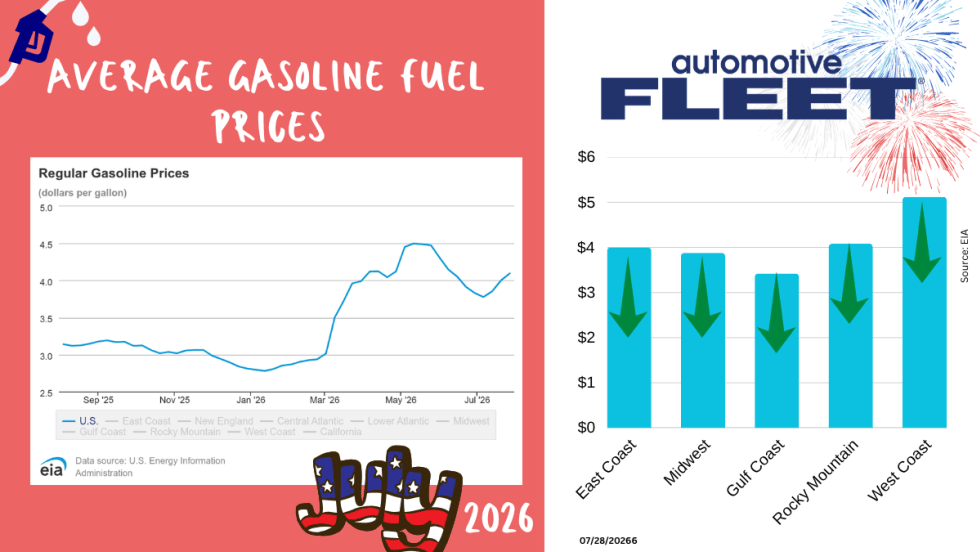
July Fuel Update: Prices Keep Rising in Light of More Conflict
Gas prices continue to rise as more and more conflicts do, too.
Read More →
Bob Adamsky on Fuel Volatility: "Don't Panic, Have a Plan."
When it comes to up and down fuel prices, Adamsky has a message for fleets: “Don’t panic.”
Read More →
How Fleets Can Gain Control of Non-Fuel Spend
Fuel often gets the spotlight, but non-fuel expenses can have a major impact on fleet costs. Ramel Lindsay of U.S. Bank Voyager discusses how fleets can gain better visibility and control over these often-overlooked expenditures.
Read More →
Fuel is Just the Start: How Middle East Tensions are Driving Up Fleet Maintenance Costs
The Middle East conflict is doing more than pushing up fuel prices. It’s also raising the cost of key maintenance products your fleet depends on, from motor oil to tires to windshield wipers. Here’s what you need to know about this budget-busting situation.
Read More →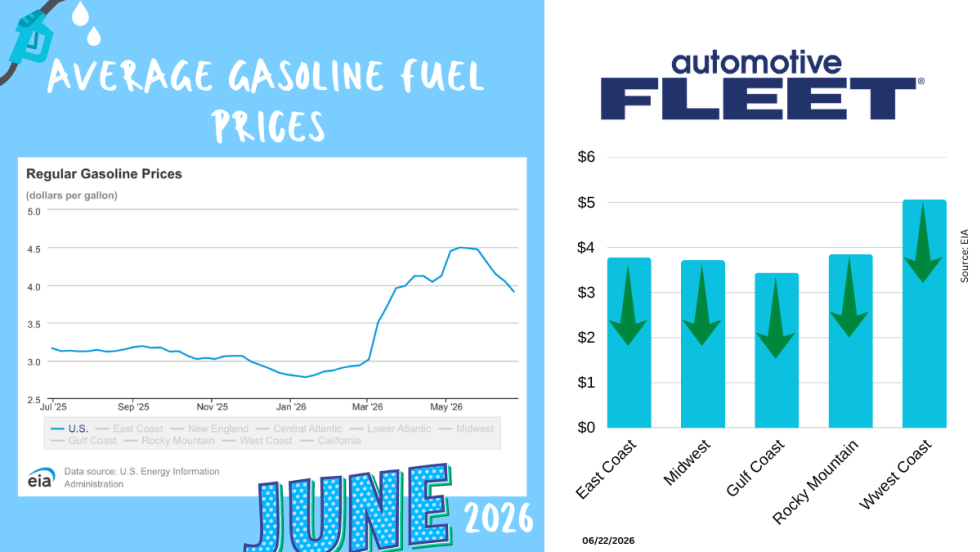
June Fuel Update: Prices Fall Below $4
Drivers are finally getting some relief at the pump. The national average gas price has dropped below $4 a gallon for the first time in months, with prices falling in 47 states as oil markets react to developments in U.S.-Iran negotiations.
Read More →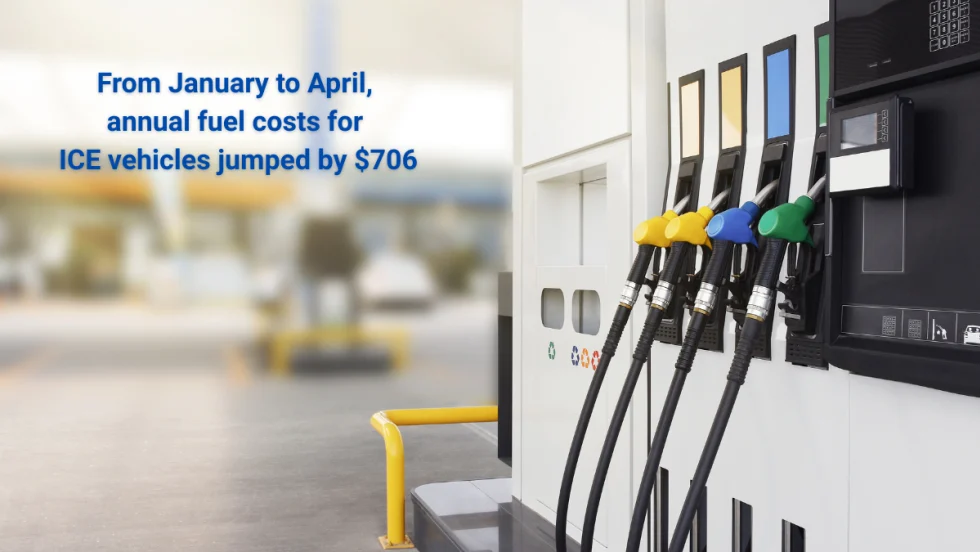
Study: How 2026's Gas Price Hikes Affect Different Vehicle Types
New data from iSeeCars reveals how rising fuel costs have affected different vehicle segments as gasoline prices climbed nearly 46% over the past four months.
Read More →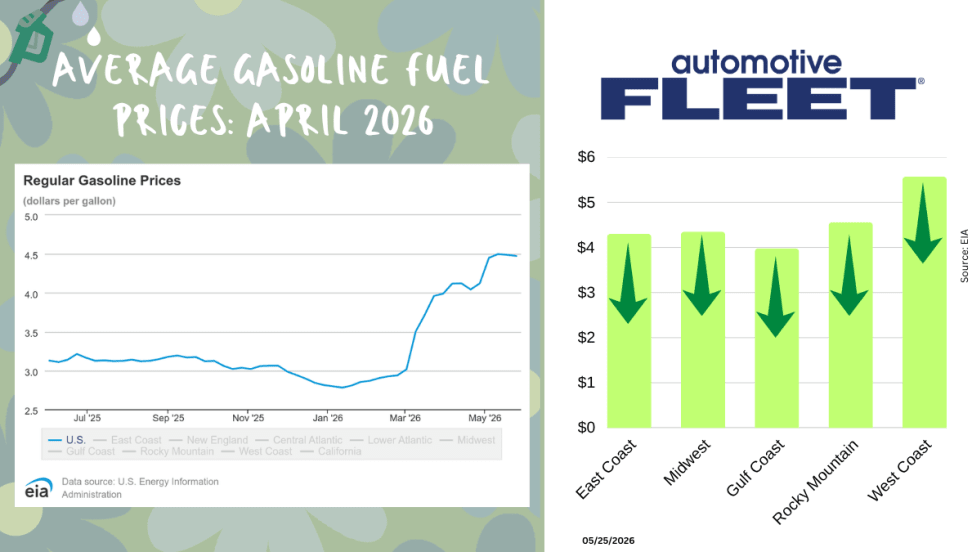
May Fuel Update: All Regions Experience Declines
Gas prices are finally easing in much of the country, but experts warn global tensions could quickly reverse the trend as the national average remains well above last month’s levels.
Read More →