




Stage Set for New-Vehicle Sales Contraction: Edmunds
Auto loan interest rates in June likely reached their highest level in nine years, Edmunds reported, a week after saying a strong economy is likely masking market factors bubbling just below the service that could start to slow down sales.

Auto loan interest rates in June likely reached their highest level in nine years, Edmunds reported, a week after saying a strong economy is likely masking market factors bubbling just below the service that could start to slow down sales.
The annual percentage rate on new financed vehicle averaged 5.82% in June, up from 4.96% in June 2017 and 4.10 in June 2013. The firm's analysts point to the most recent rate hike by the Federal Reserve as a contributing factor, noting that June marks a 17% total increase since January 2018, when APRs averaged just below 5%.
"Auto loan interest rates have been steadily on the rise this year and we don't see them going down anytime soon, which could mean trouble for automaker sales through the end of the year," said Jeremy Acevedo, Edmunds' manager of industry analysis. "While some shoppers may take this as a cue to purchase new vehicles now while rates are still somewhat favorable, we're getting dangerously close to a tipping point. Shoppers with average or subprime credit may end up putting off purchases as financing vehicles get increasingly more expensive."
The firm noted that zero percent interest loans reached their lowest level in nine years in June, accounting for just 5.6% of total finance deals, compared to 9.47% in June 2017 and 10.55% in June 2013.
Edmunds revealed another problem in its midyear automotive trend report, which was released last week. It noted that the number of buyers who owe more than their vehicle is worth remains high, with 14.1% of buyers owing more than their car was worth. That's down from 14.2% in 2017 and 14.6% in 2015 — the latter being a 14-year high.
"June typically boasts a substantial amount of zero percent financing offers, so this is a big red flag," added Acevedo. "This might be a sign that access to cheap and easy credit — a post-recession hallmark that we've all grown so accustomed to — could be officially over. But there's hope yet — the true indicator will be whether zero percent deals materialize through the rest of the summer selling season, which automakers typically rely on to clear outgoing model-year inventory."
Edmunds put June sales at 1.52 million new cars and trucks and the month's seasonally adjusted annual rate at 17.1 million, reflecting a 4.1% decline in sales from May but a 3.4% increase from June 2017. Through May, 2018 sales were up 1.1% compared to the same period in 2017. However, the firm noted that the month-to-month fluctuations are enough to give the industry pause.
As for retail sales, Edmunds put June's retail SAAR at 13.9 million units, with fleet transactions accounting for 18.4% of total sales. Additionally, 3.2 million used vehicles were expected to be sold in June, for a SAAR of 39.2 million. That down from 3.3 million used sales in May, which had a SAAR of 39.3 million.
The firm also noted that millennial new-vehicle purchases hit a record high through May, with 21% of millennial car purchase being new.
"The strength of the economy is creating a very thick force field for automakers now, but once that starts to weaken, there are a lot of market factors bubbling just below the surface that could really start to slow down sales," said Jeremy Acevedo, manager of industry analysis at Edmunds. "Even though millennials are finally starting to buy new vehicles, the U.S. market is virtually saturated. Add to that record-high vehicle prices, rising interest rates and historically high numbers of people who owe more than their cars are worth, and the stage is set for a market contraction."
Editor's note: This article first appeared on the website of F&I and Showroom, a companion publication.
Related: Trends in Vehicle Capital Costs
More Vehicle Research
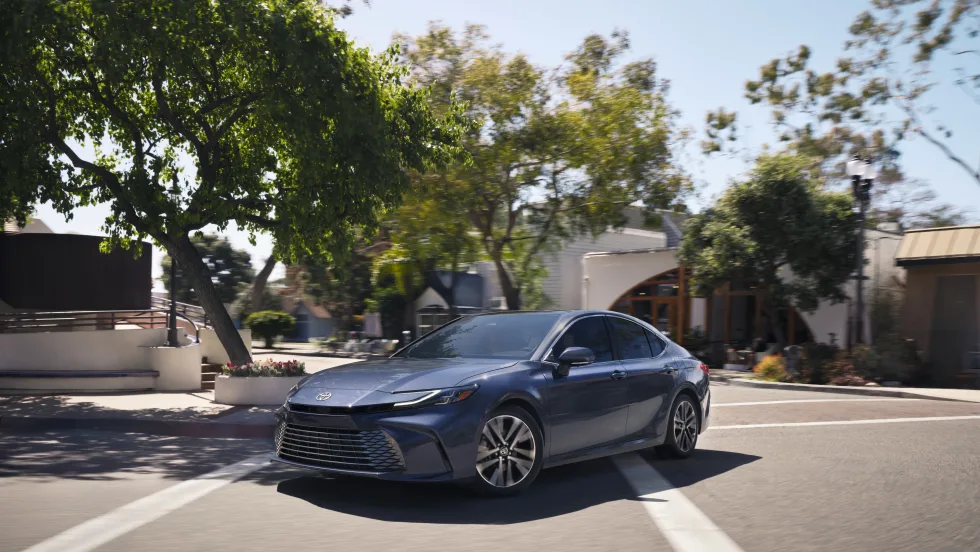
2027 Toyota Camry Offers Hybrid Powertrain Across Five Grades
The 2027 Toyota Camry is a carryover with new pricing.
Read More →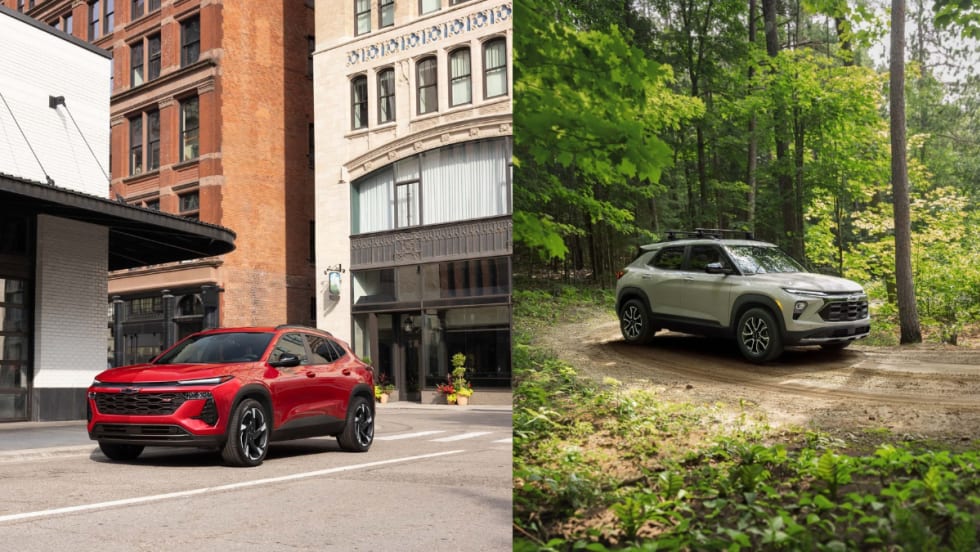
Chevrolet Updates 2027 Trax and Trailblazer with More Standard Safety Features
Chevrolet is updating two of its smallest SUVs with added driver-assistance technology, redesigned interiors, and revised trim options. The changes could add more safety equipment as standard for commercial fleets, while a new Trailblazer configuration adds another all-wheel-drive option.
Read More →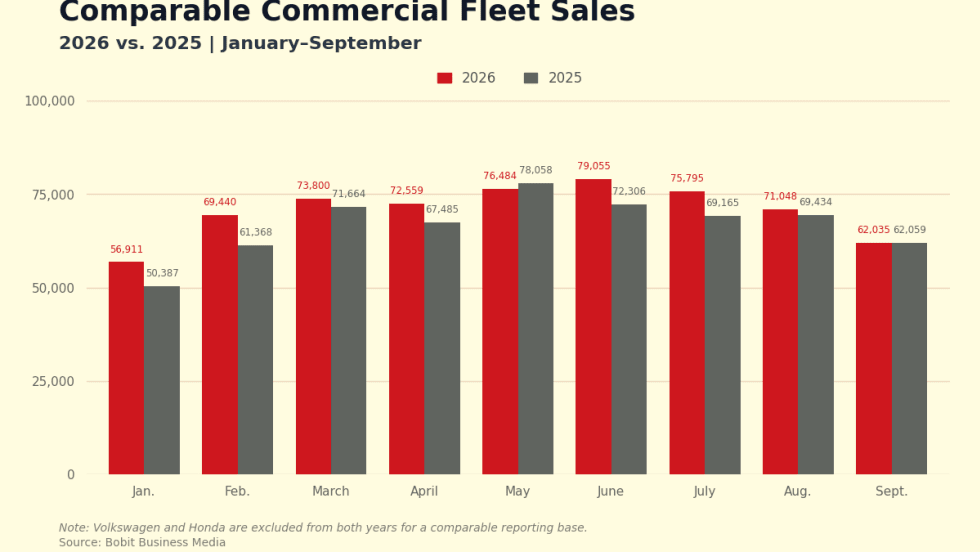
Commercial Fleet Sales Rise 5.8% Through September 2026
September commercial fleet sales were essentially unchanged from a year earlier, slowing year-to-date growth while keeping volume ahead of 2025.
Read More →
Hall of Fame Inductee: John Dmochowsky
The longtime Mondelēz International fleet executive joins the Automotive Fleet Hall of Fame.
Read More →
Hall of Fame Inductee: Lee Miller
After more than four decades at Boehringer Ingelheim, Lee Miller leaves a legacy built on fleet expertise.
Read More →
Hall of Fame Inductee: Mark F. Petersen
From managing fleets of thousands of vehicles to advancing safety and mentoring fellow professionals, Mark F. Petersen made his mark across both the corporate and supplier sides of fleet.
Read More →
When Charger Downtime Becomes a Fleet Availability Problem
As EV deployments move beyond pilot programs, charger reliability can directly affect vehicle readiness, driver productivity and route scheduling.
Read More →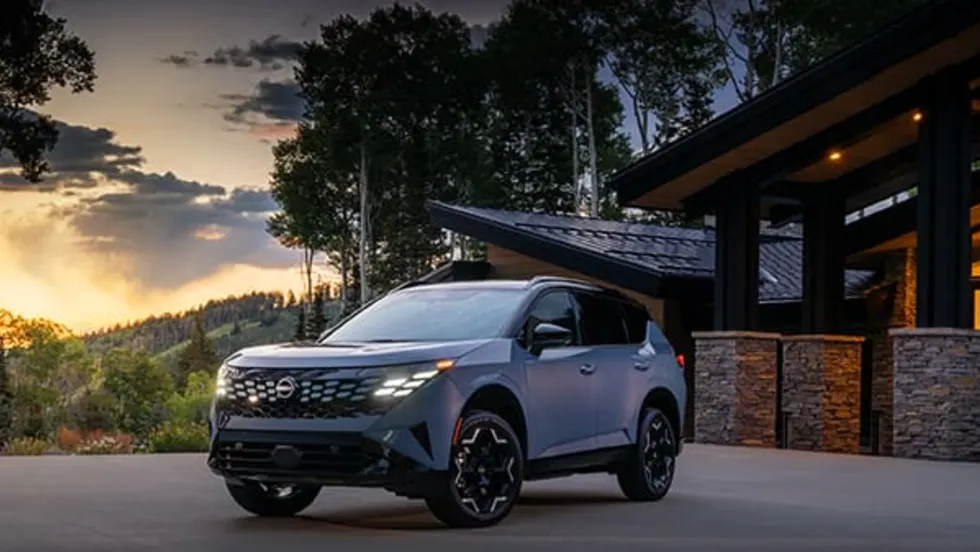
2027 Nissan Rogue Hybrid Adds e-POWER, Standard AWD
The new Rogue Hybrid uses Nissan’s e-POWER system with dual electric motors, offers an estimated 40 mpg and starts at $35,490.
Read More →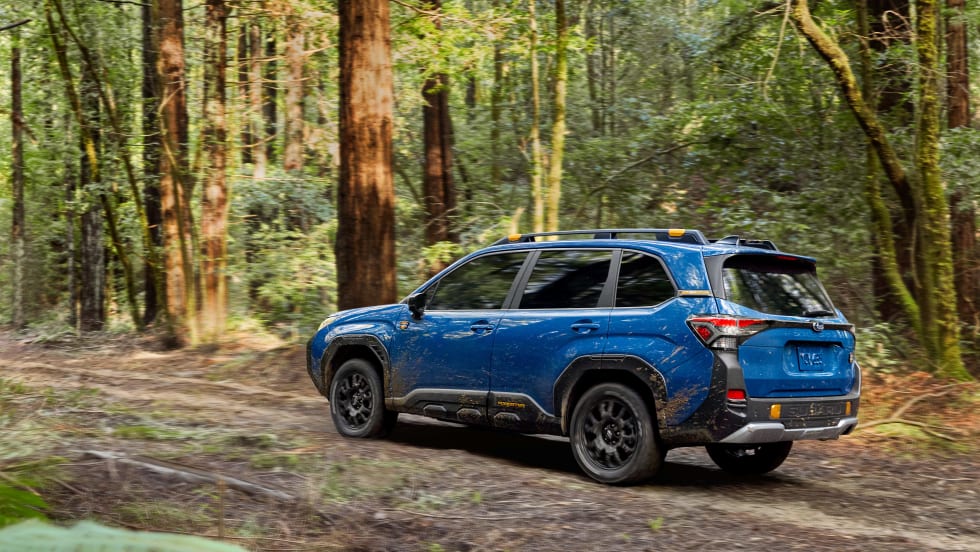
2027 Subaru Forester Adds First Wilderness Hybrid
The 2027 Forester lineup starts at $29,995 and adds a Wilderness Hybrid with 194 combined horsepower and 9.3 inches of ground clearance.
Read More →
EV Realty Names Henrik Holland President as Charging Platform Expands
The former Prologis Mobility and Shell executive will help expand EV Realty’s truck charging business and move its power-first infrastructure model into autonomous vehicle depots and other fleet sectors.
Read More →