




Spark EV Offers Performance-Vehicle Power and Fast-Charge Capability
SAN FRANCISCO – Green Fleet had the chance to drive the pre-production version of the Chevrolet Spark EV during the GM Electrification Experience in Sausalito, Calif.
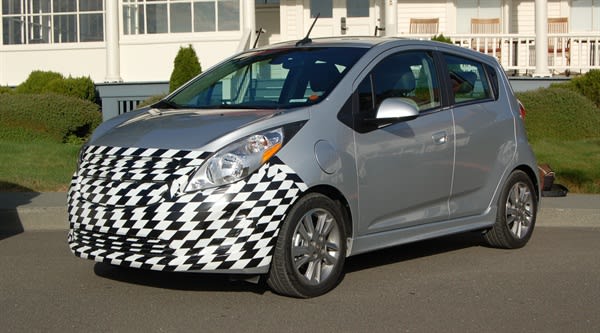
The Spark EV will feature a more than 20 kWh lithium-ion battery pack, which will have a warranty of eight years/100,000 miles, and is capable of handling multiple DC fast charges daily.
SAN FRANCISCO – Green Fleet had the chance to drive the pre-production version of the Chevrolet Spark EV during the GM Electrification Experience in Sausalito, Calif. The media event, which took place Nov. 14-15, provided approximately 50 journalists in attendance with an up-close look at the motor, battery, and mobile applications featured on the new model.
Scheduled to debut at the upcoming 2012 LA Auto Show, the Spark EV boasts 400-lb.-ft, torque and goes from 0 to 60 mph in eight seconds and accelerated smoothly. GM officials noted that the vehicle’s power even rivals some performance models.
The Spark EV will feature a more than 20 kWh lithium-ion battery pack, which will have a warranty of eight years/100,000 miles, and is capable of handling multiple DC fast charges daily. GM said a user can also charge the vehicle in less than seven hours using a dedicated 240V charge. A 120V charge cord is standard with the vehicle, according to GM. The automaker added that a driver can remotely manage and monitor charging using an OnStar smartphone application specific to the Spark EV. More than 75 percent of the Spark EV’s electric propulsion technology actually descends from the Volt’s and GM’s hybrid truck program, the automaker noted.
For charging, GM plans to offer an industry-first SAE combo charger for the Spark, which allows DC fast charging of up to 80 percent of the vehicle’s full charge in approximately 20 minutes.
GM plans to manufacture the Spark EV’s motor and drive unit at GM’s transmission plant in White Marsh, Md., starting in early 2013. According to the automaker, this is the first time a U.S. auto manufacturer has built a complete electric motor and drive unit for a modern electric vehicle in the U.S.
In addition to the Spark EV, GM also had several other models in its “electrified” lineup on site for journalists to drive, including the Chevrolet Volt, Buick LaCrosse eAssist, and the Opel/Vauxhall Ampera (shown below).
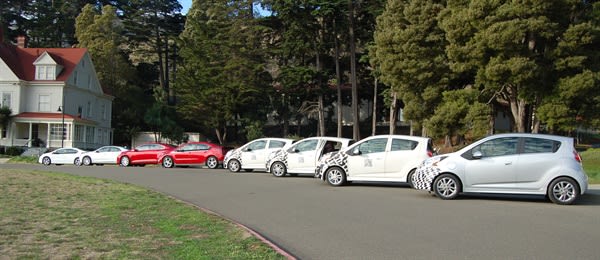
GM plans to have up to 500,000 vehicles equipped with electrification technology on the road by 2017, Mary Barra, senior vice president of global product development, told attendees. “Our major strategy will focus on [plug-in technology],” she said.
The automaker is also leveraging all sources of technology — internal and external from startups and suppliers — to provide vehicles with higher performance and lower costs, according to Jon Lauckner, vice president and chief technology officer.
“Next-generation EVs need higher capability and lower cost technology solutions, not just scale,” he emphasized to attendees. “We have to ensure any battery technology we offer will deliver of vehicle life. Developing advanced technology is a priority.”
By Grace Suizo
More Green Fleet

EV Charging Use Is Outpacing Infrastructure Growth
ChargePoint’s 2026 Charging Forward Report points to rising charger use, higher-powered charging, commercial vehicle electrification, and energy-management technology. Here’s what fleets should know.
Read More →
Merchants Fleet Reports 290M EV Miles as Fleets Navigate Changing Electrification Market
From millions in operating savings to hundreds of millions of EV miles, Merchants Fleet’s latest report reveals what’s working and what’s changing in fleet electrification.
Read More →
The EV Breakdown Nobody's Talking About: Why Most Electric Vehicle Roadside Calls Aren't Mechanical Failures
Here's why EV breakdowns are widely misunderstood.
Read More →
ChargePoint Now Available in Energy Pass
ChargePoint and additional planned charging network integrations were added to GM's Energy Pass.
Read More →
First Look: Slate Auto's Electric Fleet Pickup
Could an affordable, modular EV pickup make electrification more practical for fleets?
Read More →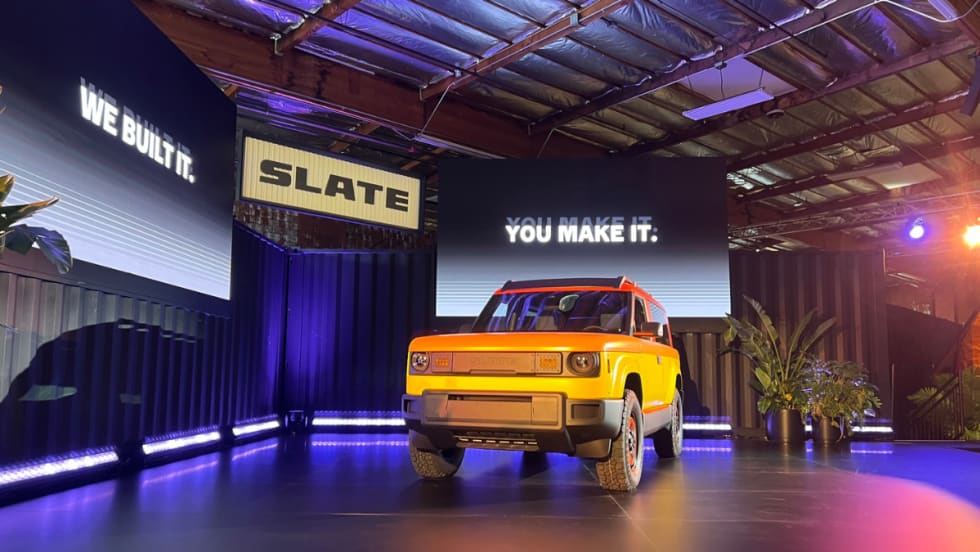
Slate Debuts Colorful, Unique EV Models
A recent media and client event, studded with electric vehicles dressed up on platforms, planted a new position for the manufacturer in the wider EV market. Fleets will find cost-saving advantages.
Read More →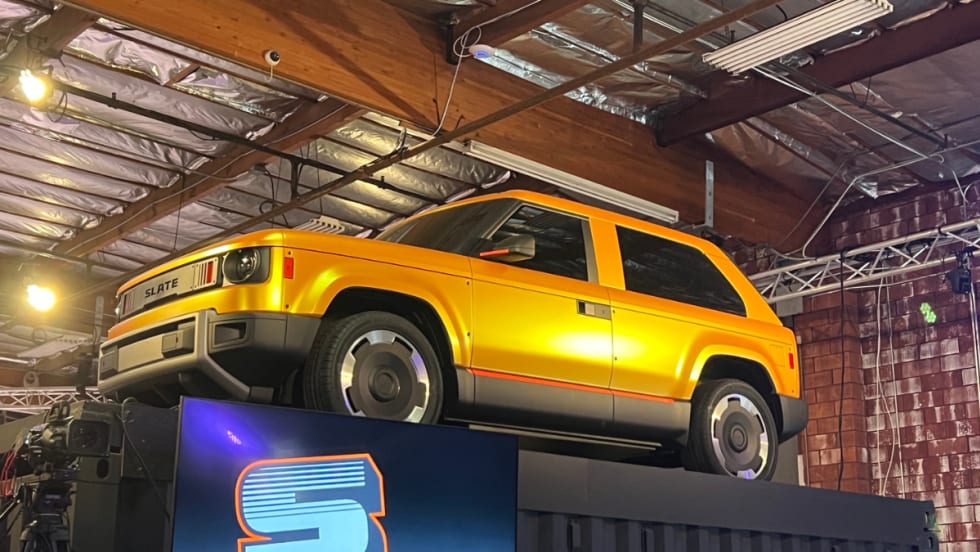
Slate Electric SUV, Pickup Switchable Model Aims For Light-Duty Fleets
Everything about this EV is counterintuitive and understated, making it stand out from the crowd.
Read More →
Inspiration Mobility Acquires Key Electrada Assets
Inspiration Mobility Group has acquired select assets of Electrada, adding the fleet electrification provider's team, technology, and charging infrastructure development capabilities to its energy management business.
Read More →
Turning Connected Vehicle Data Into Decisions That Matter
Fleet leaders have more data than ever, but turning that data into clear, actionable decisions remains a challenge. This white paper shows how leading organizations are using connected vehicle data to improve safety, reduce costs, and optimize fleet performance. Learn how to turn insight into action across your fleet.
Read More →