




SmartDrive Systems Raises $50M
SmartDrive Systems raised $50 million in funding to support the company’s global expansion, propel product innovation and support the brand’s growing patent portfolio.
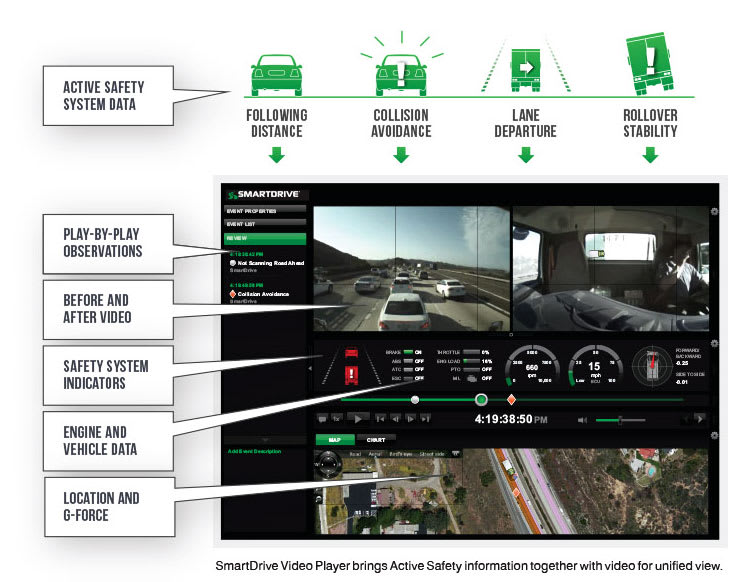
SmartDrive Systems raised $50 million in funding to support the company’s global expansion, propel product innovation and support the brand’s growing patent portfolio.
The companies who contributed to the total amount included: Oak Investment Partners, New Enterprise Associates and WABCO.
Of the total funding, WABCO invested $20 million and signed an agreement to integrate next-generation video-based analytics solutions for commercial vehicle fleets worldwide. The financing will also enable SmartDrive to build upon the strategic partnerships and customer acquisitions it established in 2014, which was a record year of growth for the company. In addition to numerous new customers adopting, SmartDrive also experienced fleets switching from competitive solutions, which the company attributes to the value delivered, the focus on exceptional customer service, and the robust technology.
“There is significant momentum around video analytics in the transportation sector. Working alongside safety technology providers like WABCO has proven the value of combining real-time data from active safety systems, video and predictive analytics to identify and assess material risk that goes unnoticed in other solutions,” said Steve Mitgang, CEO of SmartDrive. “As the leading innovator in video safety, this investment will fuel new technology and services, including those jointly developed with WABCO, as well as drive growth into new sectors and international markets. We are excited about this next chapter in the business and the value we bring to fleets worldwide improving safety while significantly lowering operational costs.”
More Operations

Fleet Has a Talent Pipeline Problem. What Comes Next? | AF News Recap
Where will fleet’s next generation of leaders come from? This week, we’re looking at the industry’s talent pipeline, what certification can add to a fleet career, how to build an award-worthy track record, and the return of Automotive Fleet’s Personal Use Survey.
Read More →
Smith System Launches Driver Risk Management Program
Fleets have more driver data than ever, but identifying risky behavior doesn't necessarily correct it. Smith System's new Driver Risk Management program combines monitoring, training, and follow-up coaching to help fleets connect risk signals with driver intervention.
Read More →
Automotive Fleet Opens 2026 Personal Use Survey for Commercial Fleet Managers
Less than two weeks left! Commercial and corporate fleet managers are invited to share how their organizations handle company vehicle personal-use policies, charges, and driver eligibility.
Read More →
From AI Prompts to AI-Generated Safety Songs | AF News Recap
Can better prompts make AI more useful for fleet managers? This week, we’re breaking down smarter fleet analysis, an AI-assisted experiment that turned safety training into music, and what happened to fuel prices in August.
Read More →
How to Write Better AI Prompts for Fleet Analysis
Include these six elements in your fleet prompts to generate more relevant analysis and accurate answers.
Read More →
Fleet Meets: Eric Kilgore
This edition of the Fleet Meets series features one of the industry's best leaders driving multi-market and national operations.
Read More →
Why Reactive Fleet Management Is Becoming Too Expensive to Sustain
Research highlights a growing need for proactive management strategies to address rising costs in fleet operations effectively.
Read More →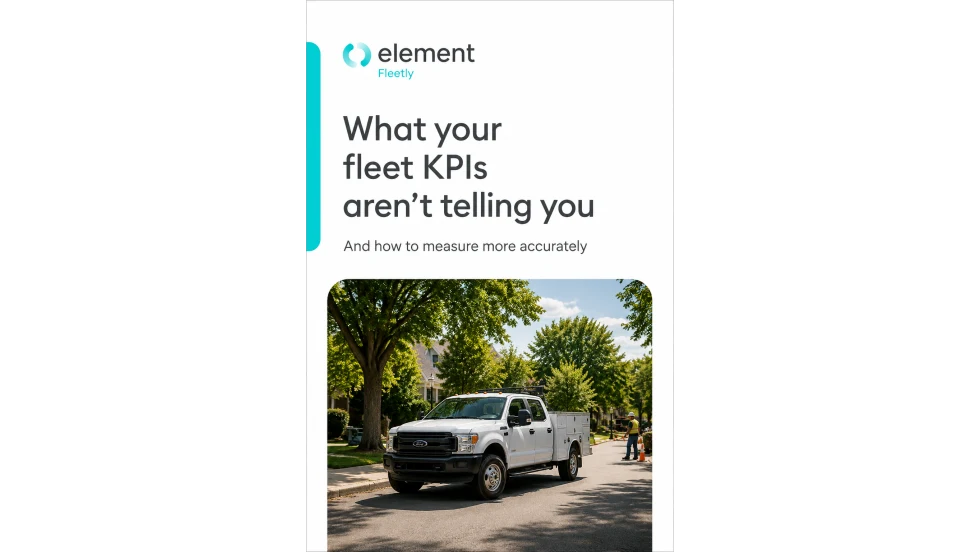
What Your Fleet KPIs Aren’t Telling You
Tracking fleet metrics is only useful when the data leads to better decisions. This guide helps fleet leaders assess cost, utilization, and downtime more accurately, identify performance gaps, and prioritize the actions that can improve operational results.
Read More →
Hidden in Plain Sight: Fleet Compliance Risks
Fleet compliance isn't just about having policies — it's about consistently enforcing them. This practical guide reveals six hidden compliance risks common in public sector and shared fleet operations and outlines proven strategies to improve visibility, accountability, and audit readiness
Read More →
Turning Fleet Payment Data into Executive Insights
Does data alone drive results in operations?
Read More →