




Senators Reintroduce Bipartisan Vehicle Technology Bill
U.S. Senators Gary Peters (D-MI), Lamar Alexander (R-TN), and Debbie Stabenow (D-MI) have announced that they are reintroducing the Vehicle Innovation Act, which is aimed at encouraging investment, research, and development in clean vehicle and advanced safety technologies.
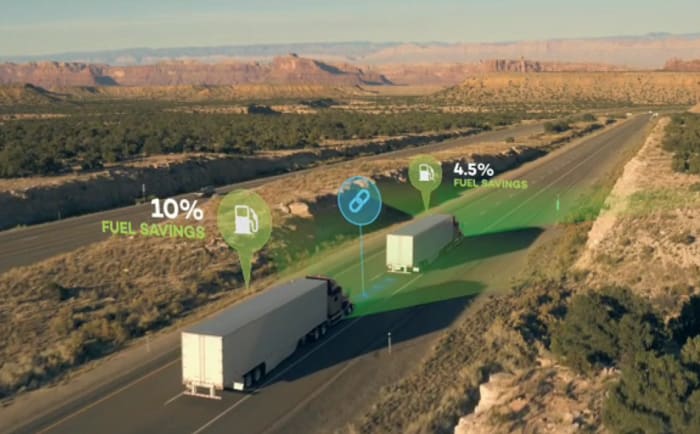
Photo: Peloton

Photo: Peloton
U.S. Senators Gary Peters (D-MI), Lamar Alexander (R-TN), and Debbie Stabenow (D-MI) have announced that they are reintroducing the Vehicle Innovation Act, which is aimed at encouraging investment, research, and development in clean vehicle and advanced safety technologies.
The authors of the bill argue that it could help Americans by increasing vehicle fuel efficiency and reducing our dependence on foreign oil. The three senators introduced similar legislation, the Energy Policy Modernization Act, in 2016, which was approved by the Senate. The House of Representatives then approved a version of that bill that included changes that were not in the Senate version. The changes between the two bills were never resolved so the legislation was never passed
The new Vehicle Innovation Act would strengthen and streamline the Department of Energy’s Vehicle Technologies Office. The Vehicle Technologies Office promotes public-private partnerships to conduct technology-neutral research and development on a range of new technologies to improve fuel efficiency in light-, medium- and heavy-duty vehicles. The bill supports domestic research and development, growing the advanced manufacturing industry in the U.S., and reducing dependence on foreign oil.
“Michigan and the United States are leading the way in developing innovative technologies that will make the next generation of cars and trucks safer and more efficient than ever before,” said Sen. Peters. “This bipartisan bill will help ensure that American manufacturers remain internationally competitive by encouraging the development of cutting-edge clean vehicle technologies that improve fuel efficiency, save consumers money and help support American jobs.”
The legislation would authorize resources for the Vehicle Technology Office to encourage research, including $313.6 million in funding for fiscal-year 2018 with a 4% increase each year through 2022.
The money could be used to advance potential fuel –saving technologies such as vehicle-to-vehicle and vehicle-to-infrastructure communications, hybrids, engine downspeeding, power pack modeling and testing, advanced boosting systems, new vehicle sensing and communication, hydrogen and natural gas refueling, and electric vehicle charging technology.
“The Department of Energy’s research to make cars and trucks more fuel efficient, to improve electric vehicles and batteries and to develop alternative fuels will benefit Tennessee’s auto industry which supports jobs in 86 of our 95 counties,” said Sen. Alexander. “More than one-third of Tennessee manufacturing jobs are auto-related and investment in new vehicle technologies will continue to attract good-paying jobs to Tennessee.”
The Vehicle Innovation Act is supported by a range of lobbying groups, including the Motor and Equipment Manufacturers Association, the UAW, the Auto Alliance, and NTEA.
“NTEA commends Senators Peters, Alexander and Stabenow’s commitment to the motor vehicle industry," said Steve Carey, the association's executive director. "Vocational truck users are at the forefront of integrating advanced technologies and alternative fuels but the future will require greater advances. This legislation will help industry partner with government to accomplish the goals of a cleaner and more efficient work truck industry.”
“The important research and development called for in this legislation supports the necessary activities for more fuel efficient advanced technology components," said MEMA President and CEO Steve Handschuh. "These domestic research and manufacturing activities will improve vehicle fuel efficiency and reduce emissions."
More Operations

Here's When You Should Make an Exception to Fleet Policy
Fleet policies are designed to create consistency, but not every driver or situation fits neatly within standard rules.
Read More →
AI-Native or AI-Acquired: What Should Fleet Managers Look for in an AI Platform?
Six questions can help fleet managers look beyond AI marketing claims to evaluate integration, data access, and real-world operational performance.
Read More →
A buyer's guide to fleet management software in 2027
Buying fleet management software in 2027 means looking beyond features and price. As fleet operations, technology and expectations evolve, this guide explores what today’s fleet professionals should consider when choosing a system that can deliver value now and adapt to what comes next.
Read More →

What Will Shape the Next Era of Fleet Management?
EVs, AI, and autonomous vehicles are reshaping fleet management. Discover what’s ahead—and how fleet leaders can prepare for the next era.
Read More →
How Fleets Can Recruit and Train Veterans for Technician Roles
Here's how the technician shortage has affected uptime for fleets, and what to do about it.
Read More →
Avis Budget Group Deploys Neology Toll Management Technology Across Major Brands
Neology’s neoFleet platform will manage toll transactions and toll-authority operations for vehicles across Avis, Budget, Payless, Budget Truck and Zipcar.
Read More →
Fleet Personal-Use Charges Edge Higher in 2026
Nearly eight in 10 surveyed fleets allow personal use of company vehicles, while just over half of respondents report charging employees for the privilege.
Read More →
The Future of Fleet + What’s Changing Right Now | AF News Recap
Could developments overseas offer a preview of what’s coming for U.S. fleets? This week, we’re looking at the future of AI, autonomy, and electrification, plus Ford Pro’s new certified pre-owned program, smarter vehicle offboarding, and a new way for fleets to manage toll expenses.
Read More →
How to Handle Vehicle Offboarding
What do fleet managers need to do when a driver leaves?
Read More →
Fleet Manager’s Ultimate Playbook: Navigating the New Standard in OEM Connectivity
Rising operating costs, driver safety concerns, and unplanned downtime are putting unprecedented pressure on modern fleets. Discover how fleet managers use embedded OEM connectivity and real-time vehicle data to cut TCO, prevent downtime, and protect drivers without aftermarket telematics hardware.
Read More →