




Sen. Fischer Floats Quick-Fix Highway Funding Proposal
The first highway bill has emerged in the 115th Congress— a two-pronged measure introduced on Feb. 1 by Nebraska's Sen. Deb Fischer.

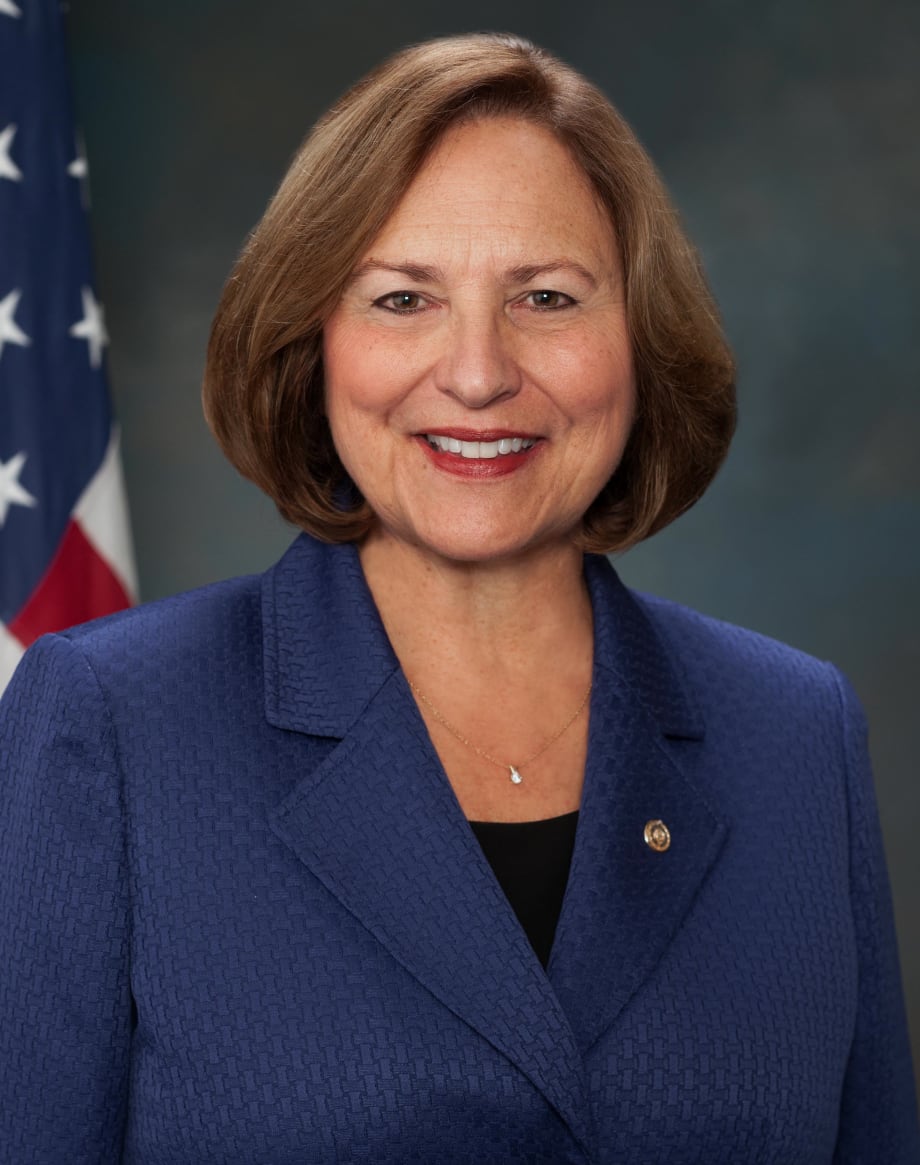
Sen. Fischer

Sen. Fischer
The first highway bill has emerged in the 115th Congress— a two-pronged measure introduced on Feb. 1 by Sen. Deb Fischer (R-NE).
The proposal calls both for temporarily depositing certain Customs and Border Patrol revenues into the Highway Trust Fund and giving states greater control over how road projects are built if they forego some federal highway funding.
The Build USA Infrastructure Act would pour the first $21.4 billion of CBP revenue collected into the Highway Trust fund every year for five years, starting after the current FAST Act highway bill runs out in 2020.
As for the windfall of flexibility aimed at states, the bill would let them enter into agreements with the Federal Highway Administration. And in return for remitting 10% of their federal-aid highway dollars, states would receive control over federal approval of the design, environmental permitting and construction aspects of federal highway projects. The remitted funds would also land in the HTF.
Fischer, who chairs the Senate Commerce Subcommittee on Surface Transportation, said the Build USA Infrastructure Act is modeled after her legislative success “developing innovative, sustainable transportation funding solutions in the Nebraska Unicameral, including the Build Nebraska Act and the Federal Funds Purchase Program.” She said her state is initiating and completing projects at a faster pace because of these measures.
“Funding challenges and the burdensome federal regulatory approval process have delayed infrastructure projects across America for decades,” Fischer said in a statement.
“The Build USA Infrastructure Act is a responsible, forward-looking proposal to strengthen roads, bridges, and highways for the benefit of the American families and workers who use them every day," she added.
More Operations

How Fleets Can Recruit and Train Veterans for Technician Roles
Here's how the technician shortage has affected uptime for fleets, and what to do about it.
Read More →
Avis Budget Group Deploys Neology Toll Management Technology Across Major Brands
Neology’s neoFleet platform will manage toll transactions and toll-authority operations for vehicles across Avis, Budget, Payless, Budget Truck and Zipcar.
Read More →
Fleet Personal-Use Charges Edge Higher in 2026
Nearly eight in 10 surveyed fleets allow personal use of company vehicles, while just over half of respondents report charging employees for the privilege.
Read More →
The Future of Fleet + What’s Changing Right Now | AF News Recap
Could developments overseas offer a preview of what’s coming for U.S. fleets? This week, we’re looking at the future of AI, autonomy, and electrification, plus Ford Pro’s new certified pre-owned program, smarter vehicle offboarding, and a new way for fleets to manage toll expenses.
Read More →
How to Handle Vehicle Offboarding
What do fleet managers need to do when a driver leaves?
Read More →
Fleet Manager’s Ultimate Playbook: Navigating the New Standard in OEM Connectivity
Rising operating costs, driver safety concerns, and unplanned downtime are putting unprecedented pressure on modern fleets. Discover how fleet managers use embedded OEM connectivity and real-time vehicle data to cut TCO, prevent downtime, and protect drivers without aftermarket telematics hardware.
Read More →
U.S. Bank Adds Verra Mobility Toll Management to Voyager Fleet Platform
The integration allows U.S. Bank Voyager fleet customers to manage toll payments and violations alongside fuel, EV charging and maintenance expenses.
Read More →
ADAS Prevents Crashes. But Repairs Cost More | AF News Recap
ADAS-equipped vehicles may crash less often, but they can cost more when they do. This week, we’re breaking down what that tradeoff means for fleets, plus Subaru’s first Forester Wilderness Hybrid, Nissan’s new e-POWER Rogue, and why Calstart has become Catalyst Mobility.
Read More →
Moventum Fleet Management Names Mark Iorillo Head of Sales
Iorillo brings nearly 20 years of fleet management and sales experience to the role, including previous positions at Element Fleet Management, CEI, Donlen and Ryder.
Read More →
Fleet Has a Talent Pipeline Problem. What Comes Next? | AF News Recap
Where will fleet’s next generation of leaders come from? This week, we’re looking at the industry’s talent pipeline, what certification can add to a fleet career, how to build an award-worthy track record, and the return of Automotive Fleet’s Personal Use Survey.
Read More →