





Related: Used Vehicles Thriving in 2018
Sedan Wholesale Values Strengthen Through 2018
Prior to 2018, sedans at auction had experienced three years of consecutive value declines. For sedan-heavy fleets, this may have meant an impact to total cost of ownership for those vehicles, as profits from remarketing them would have suffered. Now companies with sedan-heavy fleets may be finding that a window of opportunity to remarket those vehicles for better profit has emerged.
October 22, 2018
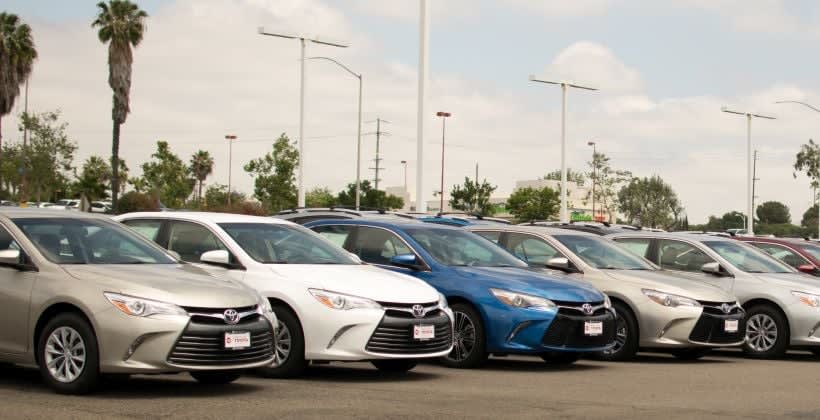
Prior to 2018, sedans at auction had experienced three years of consecutive value declines. For sedan-heavy fleets, this may have meant an impact to total cost of ownership for those vehicles, as profits from remarketing them would have suffered.
By Eric Gandarilla.
2 min to read
Wholesale sedan values in 2018 have seen a reversal from years of decline. Retention rates for smaller sedans have held strong, and at certain points of the year, held stronger than their historically strong truck counterparts.
Prior to 2018, sedans at auction had experienced three years of consecutive value declines. For sedan-heavy fleets, this may have meant an impact to total cost of ownership for those vehicles, as profits from remarketing them would have suffered.
Now companies with sedan-heavy fleets may be finding that a window of opportunity to remarket those vehicles for better profit has emerged.
“Sedans have done very well in the used market this year, after consistently declining in the previous three years,” said Anil Goyal, executive vice president, operations at Black Book. “Consumer confidence is at its highest since 2000 and the unemployment rate is at its lowest since 1970. Even as the economy has done well, real wages haven’t improved much. Combined with more people working, the demand for affordable cars is up substantially.”
Compounding onto this is the fact that average transaction prices among new cars have also grown. This growth has, in part, been fueled by a market shift away from cars and toward trucks, which typically come with higher price tags.
Through this year, midsize, compact and subcompact cars have made up about 21.7% of the new-vehicle market among consumers, compared to 2012 when those segments made up 35% of the market, according to data shared by Cox Automotive.
“The fleet market is showing a similar shift in segment sales as well,” said Zo Rahim, manager – economics and industry insights at Cox Automotive. “We’ve seen 29% of fleet sales so far this year have been cars, down from 35% last year over the same time period. What fleet companies are buying is more aligned to consumer preference, which is driving production changes at the OEM-level. But, what happens when you need to de-fleet?”
This is where fleets with a large percent of sedans in their fleet may be able to benefit. These companies may be able to see a better return on the cars they remarket given the current values for cars. While car values have begun to decline, as they begin to stabilize, they are still at healthier levels than they have been in years past.
Should consumers and fleets continue to buy more crossovers, SUVS, pickups, and vans, and fewer cars, there will eventually be fewer cars and more trucks in the used market. Currently, cars still outnumber trucks in the wholesale market, but as the pendulum shifts in favor of trucks, car values will only rise, as demand continues to grow and supply begins to shrink.
More Operations

What Will Shape the Next Era of Fleet Management?
EVs, AI, and autonomous vehicles are reshaping fleet management. Discover what’s ahead—and how fleet leaders can prepare for the next era.
Read More →
How Fleets Can Recruit and Train Veterans for Technician Roles
Here's how the technician shortage has affected uptime for fleets, and what to do about it.
Read More →
Avis Budget Group Deploys Neology Toll Management Technology Across Major Brands
Neology’s neoFleet platform will manage toll transactions and toll-authority operations for vehicles across Avis, Budget, Payless, Budget Truck and Zipcar.
Read More →

Fleet Personal-Use Charges Edge Higher in 2026
Nearly eight in 10 surveyed fleets allow personal use of company vehicles, while just over half of respondents report charging employees for the privilege.
Read More →
The Future of Fleet + What’s Changing Right Now | AF News Recap
Could developments overseas offer a preview of what’s coming for U.S. fleets? This week, we’re looking at the future of AI, autonomy, and electrification, plus Ford Pro’s new certified pre-owned program, smarter vehicle offboarding, and a new way for fleets to manage toll expenses.
Read More →
How to Handle Vehicle Offboarding
What do fleet managers need to do when a driver leaves?
Read More →
Sponsored•October 1, 2026
Fleet Manager’s Ultimate Playbook: Navigating the New Standard in OEM Connectivity
Rising operating costs, driver safety concerns, and unplanned downtime are putting unprecedented pressure on modern fleets. Discover how fleet managers use embedded OEM connectivity and real-time vehicle data to cut TCO, prevent downtime, and protect drivers without aftermarket telematics hardware.
Read More →
U.S. Bank Adds Verra Mobility Toll Management to Voyager Fleet Platform
The integration allows U.S. Bank Voyager fleet customers to manage toll payments and violations alongside fuel, EV charging and maintenance expenses.
Read More →
ADAS Prevents Crashes. But Repairs Cost More | AF News Recap
ADAS-equipped vehicles may crash less often, but they can cost more when they do. This week, we’re breaking down what that tradeoff means for fleets, plus Subaru’s first Forester Wilderness Hybrid, Nissan’s new e-POWER Rogue, and why Calstart has become Catalyst Mobility.
Read More →
Moventum Fleet Management Names Mark Iorillo Head of Sales
Iorillo brings nearly 20 years of fleet management and sales experience to the role, including previous positions at Element Fleet Management, CEI, Donlen and Ryder.
Read More →