




Search for Profitability Leads to BMW Job Cuts
FRANKFURT, GERMANY — German car maker BMW announced a plan to shed thousands of jobs in its German workforce to boost profitability, following in the tracks of Daimler and Volkswagen.
FRANKFURT, GERMANY — German car maker BMW announced a plan to shed thousands of jobs in its German workforce to boost profitability, following in the tracks of Daimler and Volkswagen.
In the coming months, "several thousand jobs" will disappear, a company spokesman said.
He gave no specific target figure, but the news magazine Der Spiegel suggested on its Internet site that 8,000 jobs would disappear in 2008, about seven percent of BMW's salaried staff.
In the past few years, big German auto manufacturers Daimler and Volkswagen, and Peugeot-Citroen in France, have laid out broad plans to restructure plants in western Europe, a slumping market.
Emerging economies meanwhile offer cheaper labor and much stronger growth prospects.
BMW had not followed the trend, but after slipping in profitability against its rivals it is now trying to catch up.
Job cuts are to focus on German sites and blue-collar posts, but should not involve outright redundancies, the spokesman said.
BMW will not renew part-time contracts, "probably" the "main" target of the measures unveiled on Friday.
But thousands of full-time posts will also disappear, either workers who accept incentives to leave or owing to "natural fluctuations" such as retiring workers who are not replaced. "We need engineers and skilled workers," the spokesman told AFP. "But we cannot increase productivity" in the workshops, he added.
The target is clear: "BMW wants to increase profitability" by cutting production costs, the spokesman said.
Efforts that focused on development costs of new models did not suffice, he added.
A spokesman for the labor union IG Metall told AFP: "We are surprised by the number and by the timing of the announcement, but we knew there would be job cuts at BMW."
No labor protest was foreseen, he added.
In September, BMW boss Norbert Reithofer announced a five-year strategic plan dubbed "Number One" to resolve a fundamental problem at the company.
In the past few years, BMW has regularly increased its sales, gaining on its direct rival, Mercedes-Benz, while seeing profit margins slip steadily.
In Germany, competition is fierce in the high-end market between Daimler (Mercedes-Benz), BMW and Volkswagen's Audi brand.
BMW lags behind Daimler, aiming for a 10-percent profit margin by 2012, while Daimler hopes to reach the same target two years earlier.
Audi is also turning in increased sales, and expects to attain a profit margin of eight percent in the next two or three years.
In September, Reithofer had suggested several ways of meeting the challenges facing his company, either by a large acquisition, a restructuring of personnel or a complete reorganization of the car maker.
In the end, it chose to make broad job cuts, following the example set by competitors.
BMW is expected to provide details on the jobs plan in January or February.
More Operations
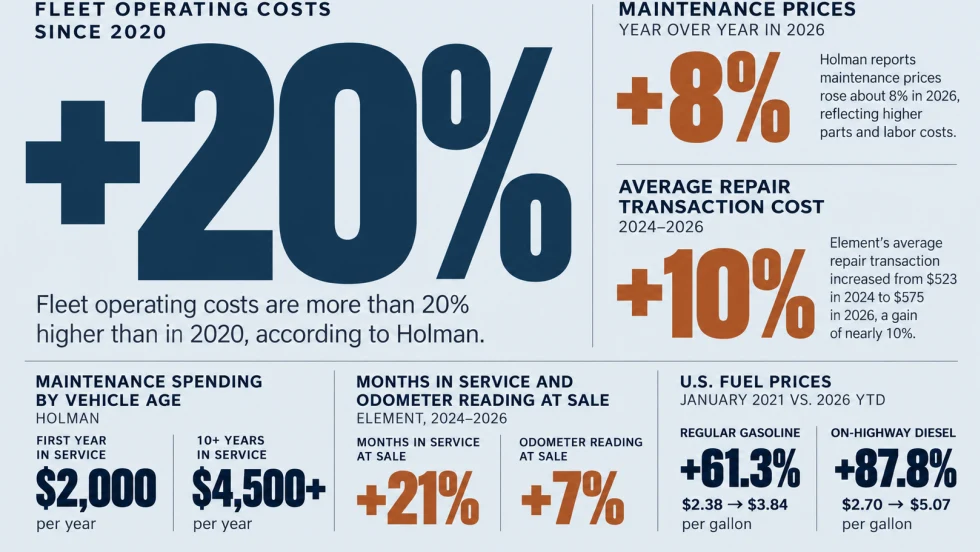
Managing Fleet Costs in an Era of Permanent Volatility
Fleet operating costs have risen more than 20% since 2020, raising a key question: When does extending a vehicle's service life stop making financial sense?
Read More →
The Next Evolution of Fleet Management: Autonomous Operations
This opening keynote session at the Fleet Forward Conference highlights the future of autonomous driving for fleets.
Read More →
How to Reduce the Total Cost of Risk From Catalytic Converter Theft
A stolen catalytic converter can cost fleets far more in downtime and lost productivity than in repairs. A total-cost-of-risk approach can help fleet managers quantify their exposure and prioritize theft prevention.
Read More →

Personal-Use Charges Rise as Vehicle Values Fall | AF News Recap
Personal-use charges are climbing, wholesale used-vehicle values are declining, and commercial fleet sales growth is slowing. This week, we're breaking down the latest fleet data, plus how Element Fleet Management is helping Waymo prepare for its first Canadian robotaxi market.
Read More →
Here's When You Should Make an Exception to Fleet Policy
Fleet policies are designed to create consistency, but not every driver or situation fits neatly within standard rules.
Read More →
AI-Native or AI-Acquired: What Should Fleet Managers Look for in an AI Platform?
Six questions can help fleet managers look beyond AI marketing claims to evaluate integration, data access, and real-world operational performance.
Read More →
A buyer's guide to fleet management software in 2027
Buying fleet management software in 2027 means looking beyond features and price. As fleet operations, technology and expectations evolve, this guide explores what today’s fleet professionals should consider when choosing a system that can deliver value now and adapt to what comes next.
Read More →
What Will Shape the Next Era of Fleet Management?
EVs, AI, and autonomous vehicles are reshaping fleet management. Discover what’s ahead—and how fleet leaders can prepare for the next era.
Read More →
How Fleets Can Recruit and Train Veterans for Technician Roles
Here's how the technician shortage has affected uptime for fleets, and what to do about it.
Read More →
Avis Budget Group Deploys Neology Toll Management Technology Across Major Brands
Neology’s neoFleet platform will manage toll transactions and toll-authority operations for vehicles across Avis, Budget, Payless, Budget Truck and Zipcar.
Read More →