




Safety Alert Seat Available for 2014-MY GMC Sierra
The seat transmits vibrations to direct the driver's attention toward a possible hazard on the road ahead.
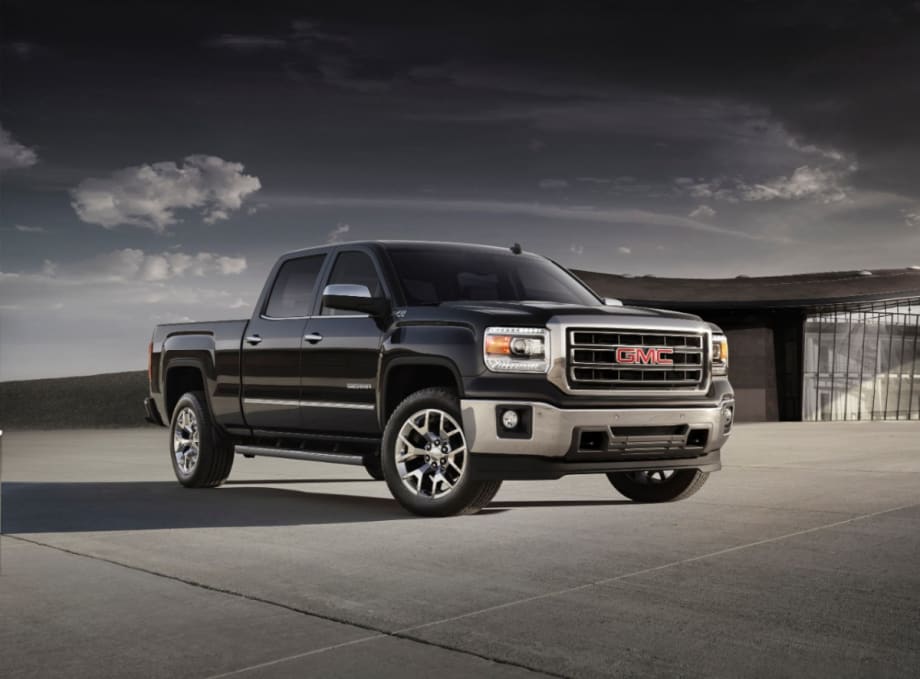
2014 GMC Sierra
2014 GMC Sierra
The all-new 2014 GMC Sierra arrives this summer with available advanced active safety features never before offered to full-size pickup truck owners, including Forward Collision Alert and Lane Departure Warning, General Motors said.
With the Safety Alert Seat, Sierra drivers get feedback transmitted as a vibration through the surface of the seat bottom cushion. When the Lane Departure Warning system’s camera detects the Sierra is leaving a lane without a turn signal active in that direction, a vibration in the left or right seat bolster directs the driver’s attention to the side of the lane encroachment. When a potential collision is detected ahead by the Forward Collision Alert system, both sides of the seat vibrate.
“It’s akin to someone tapping on your shoulder in a crowd to get your attention,” said General Motors Active Safety Technical Fellow Raymond Kiefer. “Using the tactile sense to communicate crash threat direction provides an effective and intuitive way to cut through the clutter of visual and auditory sensory information that drivers routinely experience.”
Kiefer added that GM research shows that the seat may direct driver attention to the location of a crash threat more quickly and accurately than beeping alerts.
Forward Collision Alert uses a camera behind the windshield to monitor traffic ahead and estimate time to collision. A green vehicle-shaped icon on the instrument cluster lets the driver know the system detects a vehicle ahead. When the Sierra gets too close to a vehicle ahead, the icon turns orange. When approaching a vehicle too rapidly, red lights flash on the windshield and the driver is alerted either audibly or through the optional Safety Alert Seat.
Using the same sophisticated camera technology, Lane Departure Warning uses an icon of a vehicle crossing a dotted lane marker and shines green when detecting a lane ahead at speeds above 35 mph. The icon glows amber and flashes when a warning is active.
Both Forward Collision Alert and Lane Departure Warning can be deactivated if the driver desires. Both, along with the Safety Alert Seat, are available on select trim levels.
Sierra’s other active safety features include standard StabiliTrak and optional technologies like a Rear Vision Camera and Front and Rear Park Assist. Sierra also benefits from available trailering safety technologies like Trailer Sway Control and an Integrated Trailer Brake Controller.
In addition to active safety features, the 2014 Sierra features six standard air bags and high-strength steel in the A-pillars, B-pillars, roof rails and other body structures to create a solid and protected safety cage around the passenger cabin.
“The 2014 Sierra is our most capable light-duty pickup truck ever,” said Tony DiSalle, vice president of GMC marketing. “With a full array of advanced features that protect owners before, during and after a collision, it’s also our safest.”
More Safety

Nexar-Nauto Merger Aims to Give Fleets Better Safety Intelligence Through Larger Driving Dataset
Stefan Heck tells Automotive Fleet that combining more than 10 billion miles of driving history with Nexar's AI models will give fleets deeper insights into driver risk and roadway conditions than either company could provide independently.
Read More →
Don't Wait for a Crisis: 5 Ways to Build Mental Health Into Your Fleet Safety Program
For Suicide Prevention Month, fleet and safety leaders have an opportunity to put mental health where it belongs: at the center of workplace safety.
Read More →
How Camera Data Can Strengthen a Fleet’s Insurance Renewal
Insights from a commercial insurance carrier and a broker show how fleets can turn video telematic data, driver coaching, and improved claims results into a stronger case at insurance renewal.
Read More →
The Safest Fleets Aren’t the Ones with the Most Technology
You’ve made the telematics investment. Here’s how to capture the other half of its value and build the safest fleet on the road.
Read More →
Hidden in Plain Sight: Fleet Compliance Risks
Fleet compliance isn't just about having policies — it's about consistently enforcing them. This practical guide reveals six hidden compliance risks common in public sector and shared fleet operations and outlines proven strategies to improve visibility, accountability, and audit readiness
Read More →
NETS Sets 2026 Fleet Safety Benchmark Conference for Indianapolis
The Sept. 15–17 program will feature fleet benchmarking data, case studies, emerging technologies, and implementation strategies while running alongside the NSC Safety Congress & Expo.
Read More →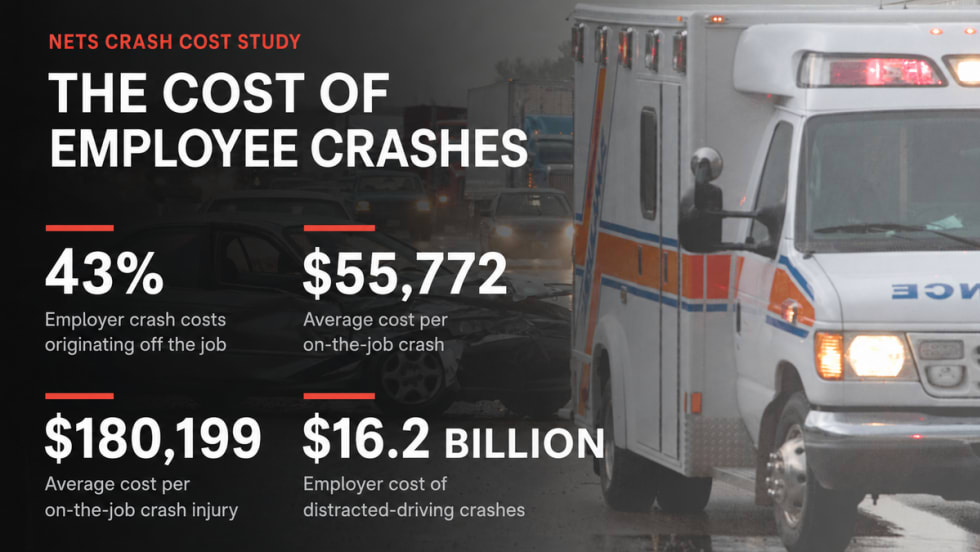
Off-the-Job Crashes Account for 43% of Employers’ $61.7 Billion Crash Burden
NETS quantifies costs dispersed across fleet, risk, HR, and other departments while providing new per-crash benchmarks for employers.
Read More →
Ram Recalls More Than 1.27 Million 1500 Pickups for Seat Belt Anchor Issue
The recall affects certain 2019-2026 Ram 1500 pickups that may have improperly attached second-row seat belt buckle anchors.
Read More →
How Better Visibility Cut Speeding Violations by 48%
Fleet leaders don't need more data, they need clearer visibility into what the data is saying. This case study explores how one utility replaced speeding-event counts with a single metric — miles driven in violation — to strengthen safety and significantly reduce speeding violations.
Read More →
Operation Safe Driver Week: Why the Industry's Oldest Safety Campaign Still Matters to Fleets
A look at how a 2007 enforcement initiative became one of the most consequential weeks on the fleet safety calendar, and what it means for your drivers in 2026.
Read More →