




Saab Appeals Court Decision, Deal With Chinese Companies Moves Forward
TROLLHATTAN, SWEDEN – This week Saab announced it lodged its appeal against the District Court’s decision to reject Saab’s request for voluntary reorganization and protection from creditors.
TROLLHATTAN, SWEDEN – This week Saab announced it lodged its appeal against the District Court’s decision to reject Saab’s request for voluntary reorganization and protection from creditors. The automaker also signed a licensing agreement for its Phoenix architecture that will provide bridge financing of 70 million EUR.
Last week Saab filed for voluntary reorganization in Swedish court. The court rejected Saab's request. Also, two of Saab’s employee unions announced they filed for bankruptcy.
“These are unfortunate headlines, however when reading them one should bear the timeline for these competing processes in mind,” said Saab spokesperson Steven Wade, on the automaker’s blog. “The unions need to act on behalf of their members, so a filing like this is not a complete surprise. However, should Saab’s appeal be a successful one and we are granted reorganization, the bankruptcy filing would effectively be rendered moot.”
The deal between Saab and Chinese companies Pang Da and Youngman is moving through the different levels of approval, Saab reported on its blog. The automaker said the deal has passed two of the three regulatory levels necessary for approval. The deal would provide 245 million EUR, and Saab said it expects the approval process to be complete in early November.
More Operations
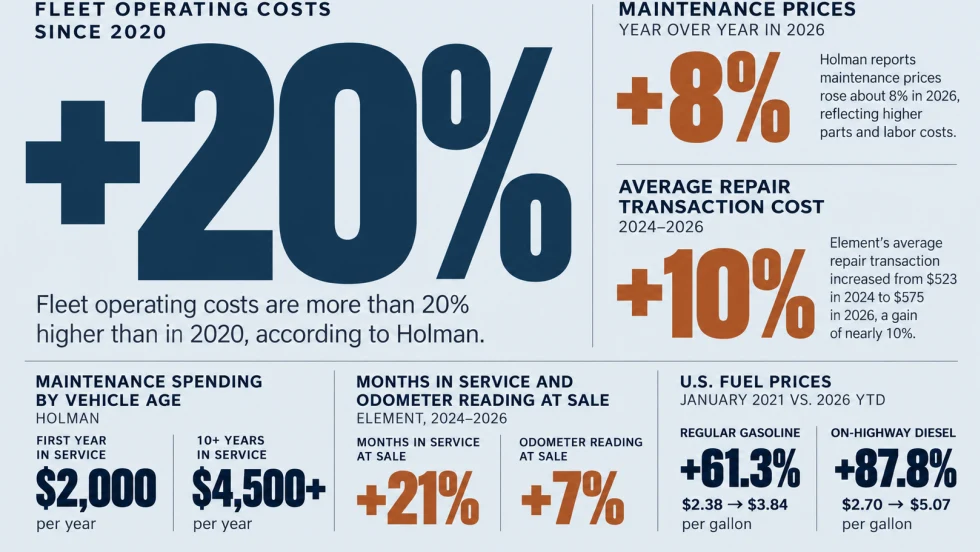
Managing Fleet Costs in an Era of Permanent Volatility
Fleet operating costs have risen more than 20% since 2020, raising a key question: When does extending a vehicle's service life stop making financial sense?
Read More →
The Next Evolution of Fleet Management: Autonomous Operations
This opening keynote session at the Fleet Forward Conference highlights the future of autonomous driving for fleets.
Read More →
How to Reduce the Total Cost of Risk From Catalytic Converter Theft
A stolen catalytic converter can cost fleets far more in downtime and lost productivity than in repairs. A total-cost-of-risk approach can help fleet managers quantify their exposure and prioritize theft prevention.
Read More →

Personal-Use Charges Rise as Vehicle Values Fall | AF News Recap
Personal-use charges are climbing, wholesale used-vehicle values are declining, and commercial fleet sales growth is slowing. This week, we're breaking down the latest fleet data, plus how Element Fleet Management is helping Waymo prepare for its first Canadian robotaxi market.
Read More →
Here's When You Should Make an Exception to Fleet Policy
Fleet policies are designed to create consistency, but not every driver or situation fits neatly within standard rules.
Read More →
AI-Native or AI-Acquired: What Should Fleet Managers Look for in an AI Platform?
Six questions can help fleet managers look beyond AI marketing claims to evaluate integration, data access, and real-world operational performance.
Read More →
A buyer's guide to fleet management software in 2027
Buying fleet management software in 2027 means looking beyond features and price. As fleet operations, technology and expectations evolve, this guide explores what today’s fleet professionals should consider when choosing a system that can deliver value now and adapt to what comes next.
Read More →
What Will Shape the Next Era of Fleet Management?
EVs, AI, and autonomous vehicles are reshaping fleet management. Discover what’s ahead—and how fleet leaders can prepare for the next era.
Read More →
How Fleets Can Recruit and Train Veterans for Technician Roles
Here's how the technician shortage has affected uptime for fleets, and what to do about it.
Read More →
Avis Budget Group Deploys Neology Toll Management Technology Across Major Brands
Neology’s neoFleet platform will manage toll transactions and toll-authority operations for vehicles across Avis, Budget, Payless, Budget Truck and Zipcar.
Read More →