




Roush Propane-Powered Ford F-250 & F-350 Pickups Granted CARB Approval
LIVONIA, MI - The California Air Resources Board (CARB) granted certification approval for the ROUSH propane-powered Ford F-250 and F-350 pickups.
LIVONIA, MI - The California Air Resources Board (CARB) granted certification approval for the ROUSH propane-powered Ford F-250 and F-350 pickups. These alternative-fuel vehicles meet the strict emission standards of that state and can now be sold and operated in all 50 states.
CARB is the "clean air agency" in the state and has the stated goals of improving the air quality and reducing the public's exposure to air contaminants. Currently, California is the only state with such a regulatory agency, but several others follow the CARB guidelines (including Connecticut, Maine, Massachusetts, Oregon, Rhode Island, Vermont, and New York).
With CARB-approval in hand, ROUSH is now allowed to sell ROUSH-built propane-powered Ford F-250 & F-350 trucks in all 50 states. This is valid for the 2010 Ford F-250 and F-350 models with the 5.4L V8 engine. ROUSH is currently working towards receiving this same CARB certification for the upcoming 2011 propane-powered Ford E-150, E-250 and E-350 passenger and cargo vans launching in the second quarter of 2010.
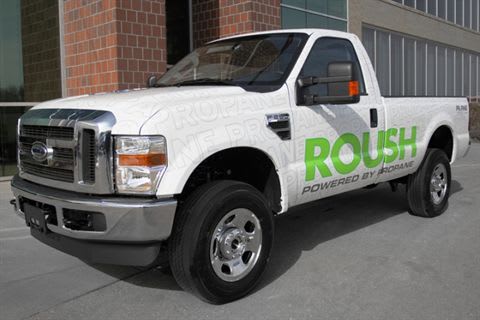
"We have made a significant investment in our liquid-propane injection technology, and we look forward to helping fleet operators across the country reduce their carbon footprint and operating costs with our propane-powered vehicles. We have more than two hundred 2010 Ford F-250s and F-350s in our inventory, so we have plenty of trucks available to meet customer demand," said Todd Mouw, director of sales & marketing for ROUSH Propane Vehicles.
Future ROUSH plans include converting the Ford E-Series vans to run on propane, as well as the Ford E-450 cutaway with the 6.8L V10 engine. Complete details on the ROUSH propane offerings can be found online at www.ROUSHperformance.com/propane or by calling 800-59-ROUSH.
As an alternative fuel, propane offers a variety of advantages. It is available "right here, right now" with a national infrastructure already in place. Propane burns cleaner, with up to 20 percent less nitrogen oxide, up to 60 percent less carbon monoxide and fewer particulate emissions. It is already the third most widely used fuel worldwide, following gasoline and diesel. Propane is 90 percent domestically produced, and as an alternate fuel, the purchase of propane-powered vehicles are eligible for a variety of federal, state, and municipal tax credits or rebates.
Based in Livonia, Mich., "The Art of Performance Engineering" takes place at ROUSH Performance. To get a look behind the scenes at what goes on at ROUSH and how the vehicles are designed, manufactured and produced logon to www.ROUSHtv.com.
For more information see your local ROUSH dealer, visit www.ROUSHperformance.com or telephone toll-free (800) 59-ROUSH.
More Green Fleet

Merchants Fleet Reports 290M EV Miles as Fleets Navigate Changing Electrification Market
From millions in operating savings to hundreds of millions of EV miles, Merchants Fleet’s latest report reveals what’s working and what’s changing in fleet electrification.
Read More →
The EV Breakdown Nobody's Talking About: Why Most Electric Vehicle Roadside Calls Aren't Mechanical Failures
Here's why EV breakdowns are widely misunderstood.
Read More →
ChargePoint Now Available in Energy Pass
ChargePoint and additional planned charging network integrations were added to GM's Energy Pass.
Read More →

First Look: Slate Auto's Electric Fleet Pickup
Could an affordable, modular EV pickup make electrification more practical for fleets?
Read More →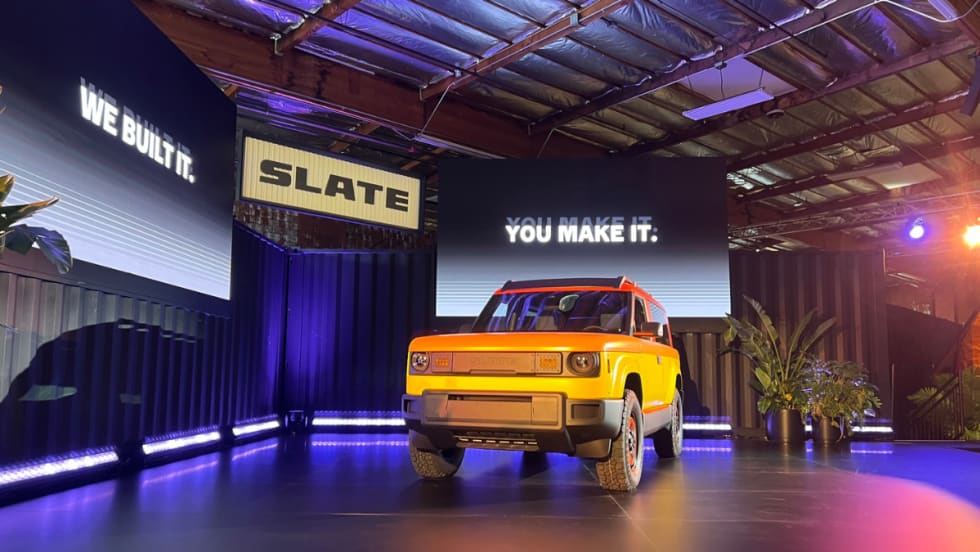
Slate Debuts Colorful, Unique EV Models
A recent media and client event, studded with electric vehicles dressed up on platforms, planted a new position for the manufacturer in the wider EV market. Fleets will find cost-saving advantages.
Read More →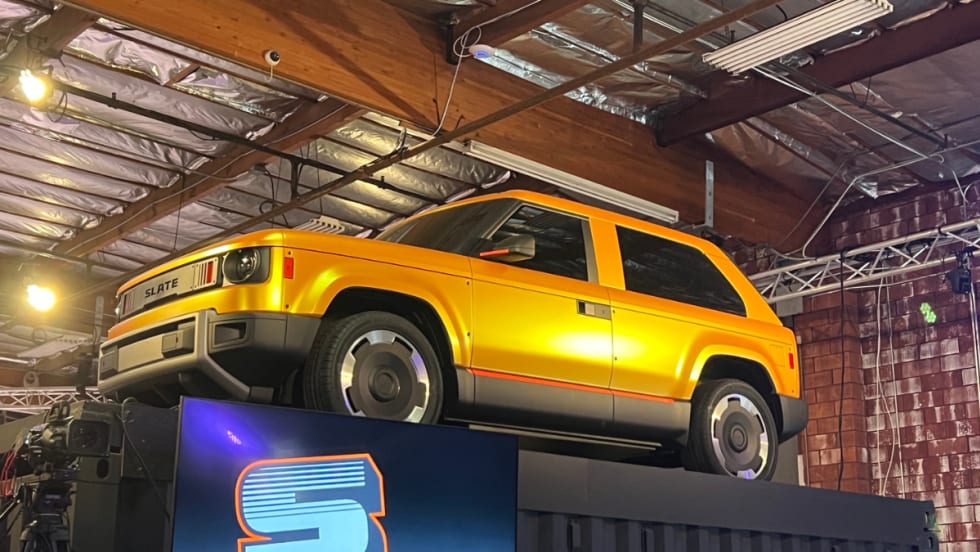
Slate Electric SUV, Pickup Switchable Model Aims For Light-Duty Fleets
Everything about this EV is counterintuitive and understated, making it stand out from the crowd.
Read More →
Inspiration Mobility Acquires Key Electrada Assets
Inspiration Mobility Group has acquired select assets of Electrada, adding the fleet electrification provider's team, technology, and charging infrastructure development capabilities to its energy management business.
Read More →
Turning Connected Vehicle Data Into Decisions That Matter
Fleet leaders have more data than ever, but turning that data into clear, actionable decisions remains a challenge. This white paper shows how leading organizations are using connected vehicle data to improve safety, reduce costs, and optimize fleet performance. Learn how to turn insight into action across your fleet.
Read More →
Are You Tracking Your Fleet's True Total Cost of Ownership?
Bobit Business Media surveyed 190 fleet professionals and found that while most fleets are tracking costs, fragmented systems and data gaps are keeping true TCO visibility out of reach. With rising pressure to control spend in an increasingly volatile environment, the gap between what fleets think they know and what the data actually shows is wider than you might expect. See how your peers are managing costs today and where the industry still has room to improve.
Read More →