




Road Salt Corrosion Risk Spurs Series of Hyundai Recalls
WASHINGTON, D.C. --- Hyundai Motor Co. has issued a series of vehicle recalls because of the risk of corrosion in states that use salt to de-ice roads.
WASHINGTON, D.C. --- Hyundai Motor Co. has issued a series of vehicle recalls because of the risk of corrosion in states that use salt to de-ice roads.
The automaker is recalling 175,765 MY 2001-2004 Sonata and MY 2001-2004 XG300 and XG350 vehicles because of a potential corrosion risk involving the front sub-frame.
During winter months, large quantities of salt are used to de-ice roads in the salt belt states. Road salt may result in internal corrosion of the front sub-frame. The corrosion could eventually result in thinning or perforation of the sub-frame steel, according to the National Highway Traffic Safety Administration's website.
The corrosion is often visible and may be discovered during inspection or routine maintenance. Drivers also may be alerted to the problem after hearing noises or noticing tire misalignment and steering pull.
"These are indications your vehicle should be serviced," the NHTSA advised on its website. "If these signals are undetected or unheeded, the corrosion may progress and the forward mounting of the lower control arm may detach from the sub-frame. If that happens, the vehicle may lose driver power to the wheels. The front wheel may make contact with the fender or wheel well."
Separation of the forward mounting of the lower control arm may increase the risk of a crash.
To remedy the problem, dealers will measure the thickness of the front sub-frame and inspect it for corrosion damage. If necessary, the front sub-frame will be replaced with a new one that incorporates additional holes in the upper and lower panels. If the front sub-frame doesn't require replacement, the dealer will add drainage holes to the sub-frame and treat the sub-frame with rust-proofing material to arrest the corrosion process. This procedure will be performed free of charge.
Hyundai is also recalling 170,610 MY 2001-2003 Elantra and MY 2003 Tiburon vehicles because road salt may result in internal corrosion and thinning of the steel in the front lower control arms. The corrosion may progress to the point where the lower control arm's upper and lower panels become perforated. A perforated front lower control arm may fracture between its ball joint attachment and the forward and rearward pivot attachments to the chassis. This could affect the driver's control over the tire and wheel assembly, increasing the risk of a crash.
In this recall, dealers will inspect the front lower control arms for corrosion damage. If specified levels of internal corrosion damage are found, the front lower control arms will be replaced with new front lower control arms incorporating additional holes in the upper and lower panels. If the front lower control arms do not require replacement, the dealer will add drainage holes to the front lower control arms and treat them with rust-proofing materials, all free of charge.
Further, Hyundai is recalling 85,036 MY 2001-2003 Santa Fe vehicles because road salt corrosion may result in internal corrosion of the rear trailing arms. This could lead to thinning or perforation of the rear trailing arm steel. Over time, drivers may begin to notice slight to moderate changes in vehicle operation. These changes include a lowering of vehicle height, which can lead to tire misalignment and steering pull. Creaking sounds can also signal there's a problem. If the corrosion is allowed to progress, the rear trailing arm may fracture while driving.
The deformation and loss of structural rigidity of the rear trailing arm may increase the risk of a vehicle crash, NHTSA said.
Dealers will inspect the rear trailing arms for internal corrosion damage and make all necessary replacement and treatment procedures free of charge.
The vehicles involved in the recalls were originally sold in, or are currently registered in, the following states: Connecticut, Delaware, Illinois, Indiana, Iowa, Maine, Maryland, Massachusetts, Michigan, Minnesota, Missouri, New Hampshire, New Jersey, New York, Ohio, Pennsylvania, Rhode Island, Vermont, West Virginia and Wisconsin. Also included is the District of Columbia.
Vehicle owners can reach Hyundai at (800) 633-5151.
More Safety

Nexar-Nauto Merger Aims to Give Fleets Better Safety Intelligence Through Larger Driving Dataset
Stefan Heck tells Automotive Fleet that combining more than 10 billion miles of driving history with Nexar's AI models will give fleets deeper insights into driver risk and roadway conditions than either company could provide independently.
Read More →
Don't Wait for a Crisis: 5 Ways to Build Mental Health Into Your Fleet Safety Program
For Suicide Prevention Month, fleet and safety leaders have an opportunity to put mental health where it belongs: at the center of workplace safety.
Read More →
How Camera Data Can Strengthen a Fleet’s Insurance Renewal
Insights from a commercial insurance carrier and a broker show how fleets can turn video telematic data, driver coaching, and improved claims results into a stronger case at insurance renewal.
Read More →
The Safest Fleets Aren’t the Ones with the Most Technology
You’ve made the telematics investment. Here’s how to capture the other half of its value and build the safest fleet on the road.
Read More →
Hidden in Plain Sight: Fleet Compliance Risks
Fleet compliance isn't just about having policies — it's about consistently enforcing them. This practical guide reveals six hidden compliance risks common in public sector and shared fleet operations and outlines proven strategies to improve visibility, accountability, and audit readiness
Read More →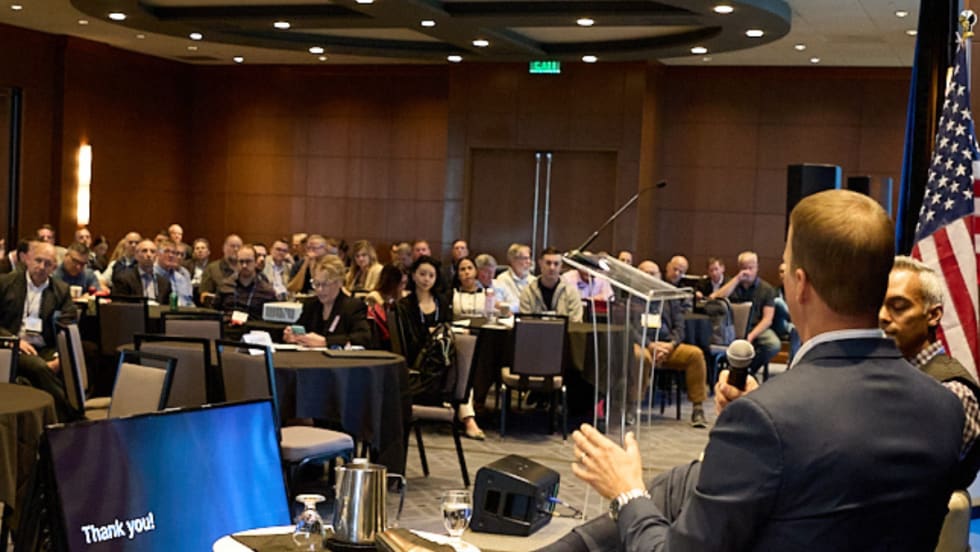
NETS Sets 2026 Fleet Safety Benchmark Conference for Indianapolis
The Sept. 15–17 program will feature fleet benchmarking data, case studies, emerging technologies, and implementation strategies while running alongside the NSC Safety Congress & Expo.
Read More →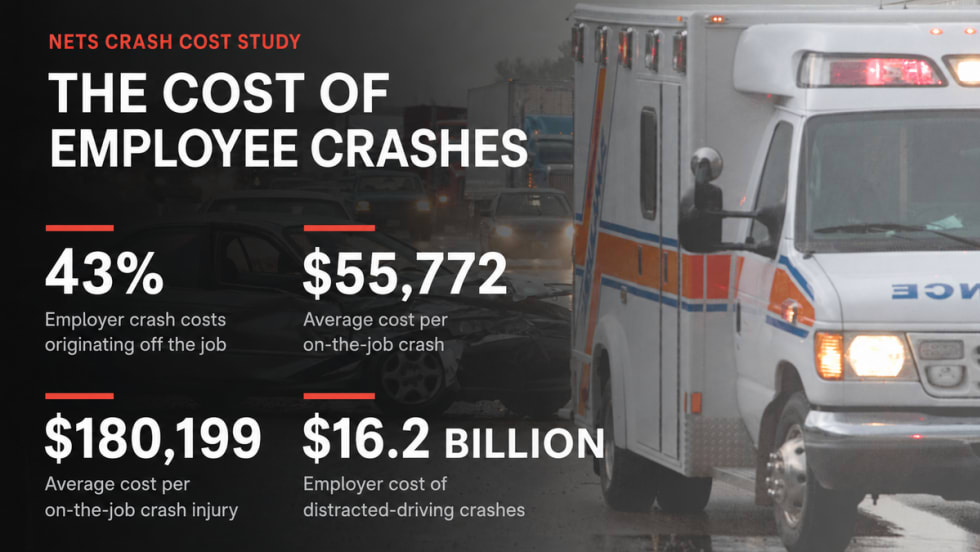
Off-the-Job Crashes Account for 43% of Employers’ $61.7 Billion Crash Burden
NETS quantifies costs dispersed across fleet, risk, HR, and other departments while providing new per-crash benchmarks for employers.
Read More →
Ram Recalls More Than 1.27 Million 1500 Pickups for Seat Belt Anchor Issue
The recall affects certain 2019-2026 Ram 1500 pickups that may have improperly attached second-row seat belt buckle anchors.
Read More →
How Better Visibility Cut Speeding Violations by 48%
Fleet leaders don't need more data, they need clearer visibility into what the data is saying. This case study explores how one utility replaced speeding-event counts with a single metric — miles driven in violation — to strengthen safety and significantly reduce speeding violations.
Read More →
Operation Safe Driver Week: Why the Industry's Oldest Safety Campaign Still Matters to Fleets
A look at how a 2007 enforcement initiative became one of the most consequential weeks on the fleet safety calendar, and what it means for your drivers in 2026.
Read More →