




Riverside County Audit Prompts Stricter Take-Home Policy
RIVERSIDE, CA - The audit advises that the county could save an estimated $2.3 million by reducing the numbers of cars employees take home each night, better tracking county car use, and limiting the size of the fleet.
RIVERSIDE, CA - Based on the recent findings of a Riverside County audit revealing fleet is costly and too big, county supervisors plan to cut fleet in half by implementing a stricter take-home policy, reported The Press-Enterprise.
Cited as one of the largest fleets in the state of California, the county maintains a fleet of about 5,300 vehicles at a cost of about $43.7 million a year, the report said. That cost includes vehicle payments, maintenance, and fuel expenses.
The audit advises that the county could save an estimated $2.3 million by reducing the numbers of cars employees take home each night, better tracking county car use, and limiting the size of the fleet.
Currently, county-authorized employees take home 1,055 or about one in every five county cars in the fleet. Those employees' daily commutes alone cost the county an estimated $4.7 million annually for gas and maintenance, the report said. In addition, a surprise audit inspection found about 130 cars missing from their designated overnight parking spots, suggesting employees may be driving cars home without authorization, the report said.
Under the approved recommended policy, take-home cars will be limited to employees whose jobs may require them to respond to after-hour emergencies.
The executive office said the changes should cut in half the number of take-home cars in the county and could save more than $2.2 million -- most of it in public safety departments.
The new policy does not apply to supervisors' cars or county cars driven by high-ranking officials as part of their compensation plans.
The audit also recommended revising policy to ensure the county does not acquire new vehicles while ones on hand remain underused. The executive office said it plans to submit a policy revision for supervisors' approval by Oct. 20. The county has reportedly frozen new fleet purchases and already begun selling off underutilized vehicles, according to the Enterprise.
A sample of 2,000 passenger fleet vehicles reviewed in the audit found more than one-third did not meet the minimum mileage of 7,200 miles per year, and resulted in a loss of more than $700,000 in fixed costs, according to the Enterprise.
More Green Fleet

Merchants Fleet Reports 290M EV Miles as Fleets Navigate Changing Electrification Market
From millions in operating savings to hundreds of millions of EV miles, Merchants Fleet’s latest report reveals what’s working and what’s changing in fleet electrification.
Read More →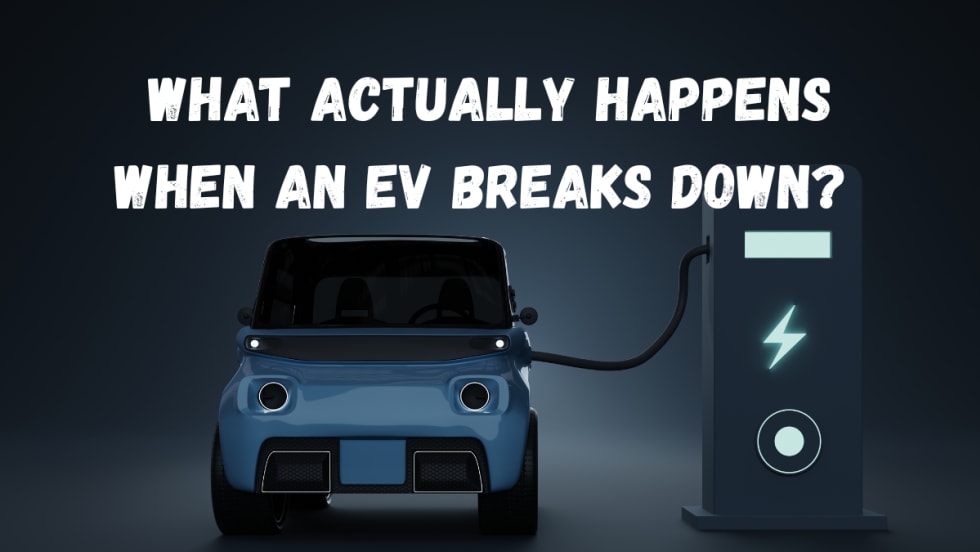
The EV Breakdown Nobody's Talking About: Why Most Electric Vehicle Roadside Calls Aren't Mechanical Failures
Here's why EV breakdowns are widely misunderstood.
Read More →
ChargePoint Now Available in Energy Pass
ChargePoint and additional planned charging network integrations were added to GM's Energy Pass.
Read More →

First Look: Slate Auto's Electric Fleet Pickup
Could an affordable, modular EV pickup make electrification more practical for fleets?
Read More →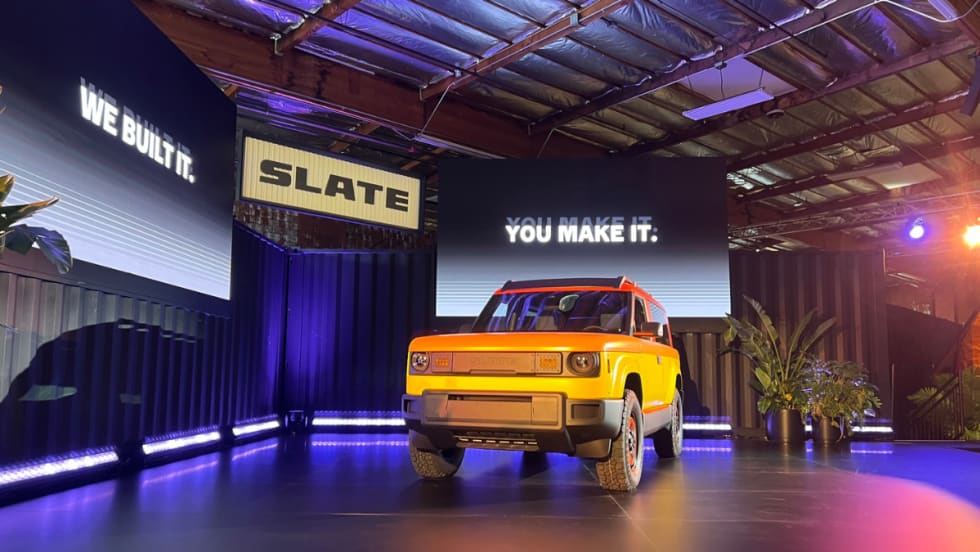
Slate Debuts Colorful, Unique EV Models
A recent media and client event, studded with electric vehicles dressed up on platforms, planted a new position for the manufacturer in the wider EV market. Fleets will find cost-saving advantages.
Read More →
Slate Electric SUV, Pickup Switchable Model Aims For Light-Duty Fleets
Everything about this EV is counterintuitive and understated, making it stand out from the crowd.
Read More →
Inspiration Mobility Acquires Key Electrada Assets
Inspiration Mobility Group has acquired select assets of Electrada, adding the fleet electrification provider's team, technology, and charging infrastructure development capabilities to its energy management business.
Read More →
Turning Connected Vehicle Data Into Decisions That Matter
Fleet leaders have more data than ever, but turning that data into clear, actionable decisions remains a challenge. This white paper shows how leading organizations are using connected vehicle data to improve safety, reduce costs, and optimize fleet performance. Learn how to turn insight into action across your fleet.
Read More →
Are You Tracking Your Fleet's True Total Cost of Ownership?
Bobit Business Media surveyed 190 fleet professionals and found that while most fleets are tracking costs, fragmented systems and data gaps are keeping true TCO visibility out of reach. With rising pressure to control spend in an increasingly volatile environment, the gap between what fleets think they know and what the data actually shows is wider than you might expect. See how your peers are managing costs today and where the industry still has room to improve.
Read More →