




Report Underscores Potential of Renewable Natural Gas
NEW YORK -- Nonprofit group Energy Vision announced the release of a special report to help raise visibility of renewable natural gas and to promote its use in the U.S. as a transportation fuel.
NEW YORK -- Nonprofit group Energy Vision announced the release of a special report to help raise visibility of renewable natural gas and to promote its use in the U.S. as a transportation fuel.
Every year, Energy Vision said, U.S. homes and institutions throw away enough garbage, yard trimmings, farm residues and other organic waste to make renewable natural gas -- a clean, petroleum-free fuel that could power millions of the nation’s trucks and buses. Energy Vision, with support from the U.S. Department of Energy’s Brookhaven and Argonne national laboratories, has been educating communities and business leaders on the benefits of using this renewable resource.
The new report, “Waste to Wheels: Building for Success,” summarizes the proceedings of a one-day workshop held in Columbus, Ohio, in December. The workshop was sponsored by the U.S. Department of Energy’s Clean Cities initiative, Argonne National Laboratory and Clean Fuels Ohio. The event brought together 120 industry and government leaders from 29 states. Presentations addressed technologies for waste-based fuel production, projects that served as examples, and financial incentives.
Gail Richardson, Energy Vision’s vice president for programs, documented the proceedings.
“Waste to Wheels” discusses the characteristics of this waste-based fuel. Much cleaner than petroleum fuels, the renewable natural gas is chemically similar to conventional natural gas and can be blended with it or used to replace it. A significant difference is that renewable natural gas is made, not by drilling, but by processing the waste gases created wherever organic materials are breaking down: in landfills, at sewage treatment plants, and at farm or dairy operations. Because of this, it is called renewable natural gas, referred to as "RNG" or "biomethane."
“Given the rising concerns nationally and globally about climate changing greenhouse gases, RNG deserves ‘center ring’ attention as it is the lowest of low-carbon fuels in the world,” said Richardson. “And technologies for producing RNG are commercially available. RNG is produced in Europe and used by municipal fleets in a dozen of its cities. It is just emerging in the U.S.”
According to the report, communities that are already converting their bus and truck fleets to conventional natural gas are a step ahead in moving toward use of RNG, since the vehicles and refueling infrastructure are the same for both.
“Clean Cities coalitions and other local partnerships can be game-changers in making renewable natural gas from wastes because local agencies play a decisive role in how the nation’s wastes are managed,” said Joanna Underwood, Energy Vision’s president. “We are committed to using Energy Vision’s expertise to assist DOE Clean Cities’ affiliates with local and statewide RNG initiatives.”
For more information, visit http://www.energy-vision.org/index.html.
For the report and workshop materials, go to DOE’s website: http://www1.eere.energy.gov/cleancities/waste_to_wheels.html.
More Green Fleet

Merchants Fleet Reports 290M EV Miles as Fleets Navigate Changing Electrification Market
From millions in operating savings to hundreds of millions of EV miles, Merchants Fleet’s latest report reveals what’s working and what’s changing in fleet electrification.
Read More →
The EV Breakdown Nobody's Talking About: Why Most Electric Vehicle Roadside Calls Aren't Mechanical Failures
Here's why EV breakdowns are widely misunderstood.
Read More →
ChargePoint Now Available in Energy Pass
ChargePoint and additional planned charging network integrations were added to GM's Energy Pass.
Read More →

First Look: Slate Auto's Electric Fleet Pickup
Could an affordable, modular EV pickup make electrification more practical for fleets?
Read More →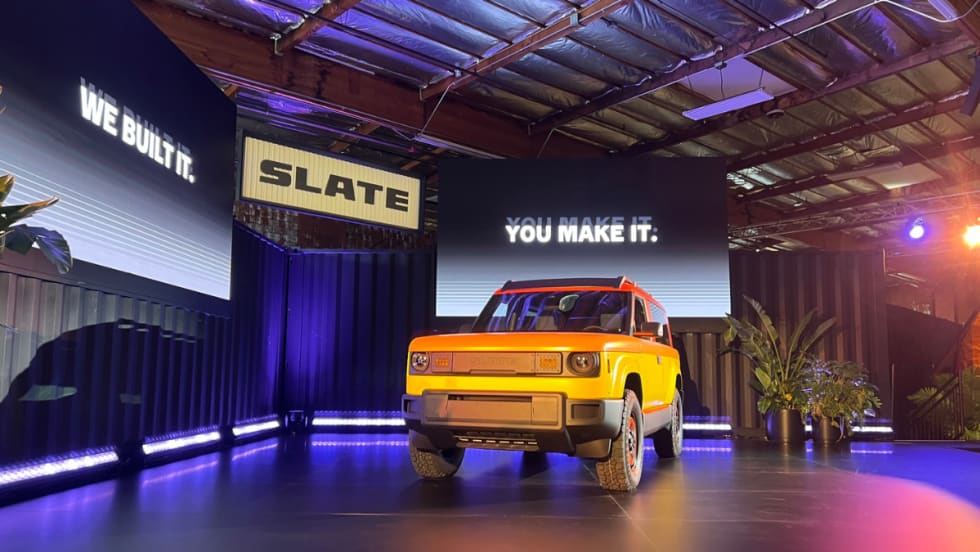
Slate Debuts Colorful, Unique EV Models
A recent media and client event, studded with electric vehicles dressed up on platforms, planted a new position for the manufacturer in the wider EV market. Fleets will find cost-saving advantages.
Read More →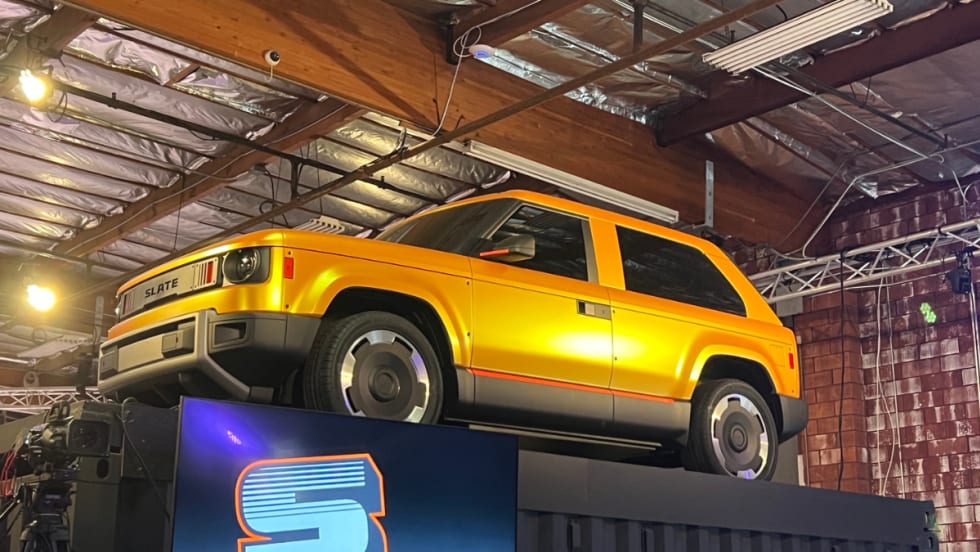
Slate Electric SUV, Pickup Switchable Model Aims For Light-Duty Fleets
Everything about this EV is counterintuitive and understated, making it stand out from the crowd.
Read More →
Inspiration Mobility Acquires Key Electrada Assets
Inspiration Mobility Group has acquired select assets of Electrada, adding the fleet electrification provider's team, technology, and charging infrastructure development capabilities to its energy management business.
Read More →
Turning Connected Vehicle Data Into Decisions That Matter
Fleet leaders have more data than ever, but turning that data into clear, actionable decisions remains a challenge. This white paper shows how leading organizations are using connected vehicle data to improve safety, reduce costs, and optimize fleet performance. Learn how to turn insight into action across your fleet.
Read More →
Are You Tracking Your Fleet's True Total Cost of Ownership?
Bobit Business Media surveyed 190 fleet professionals and found that while most fleets are tracking costs, fragmented systems and data gaps are keeping true TCO visibility out of reach. With rising pressure to control spend in an increasingly volatile environment, the gap between what fleets think they know and what the data actually shows is wider than you might expect. See how your peers are managing costs today and where the industry still has room to improve.
Read More →