




U.S. Transportation Secretary Rodney Slater on May 5 announced an advanced airbag rule requiring that future air bags create less risk of serious air bag-induced injuries than current airbags, particularly for small women and young children and provide improved frontal crash protection for all occupants. He said the rule continues a series of actions designed to preserve the benefits of air bags and decrease the potential hazard for children and small adults. The rule issued by the U.S. Department of Transportation's National Highway Traffic Safety Administration (NHTSA) imposes performance requirements to ensure that future airbags do not pose an unreasonable risk of serious injury to occupants who are very near the airbag when it deploys. The agency adopts a number of options to ensure that vehicle manufacturers would be free to use various combinations of advanced air bag technologies. With this flexibility, they could use technologies, like dual stage inflators and weight sensors, that control or prevent air bag deployment in appropriate circumstances. Some new vehicles are already equipped with these types of devices. Future tests will incorporate a new family of crash test dummies with improved injury criteria better representing human injury tolerances. The family includes 1-, 3- and 6-year-old child dummies, a small (5th percentile) female dummy, and an average size (50th percentile) male dummy. Currently, only a 50th percentile male dummy is required. During the first stage, from Sept. 1, 2003 to Aug. 31, 2006, increasing percentages of motor vehicles will be required to meet requirements for reducing airbag risks, either by automatically turning off the airbag in the presence of young children or deploying the airbag in a manner much less likely to cause serious or fatal injury to out-of-position occupants. To test the ability to detect the presence of children, the rule specifies that child dummies be placed in child seats that are, in turn, placed on the passenger seat. It also specifies tests that are conducted with unrestrained child dummies sitting, kneeling, standing, or lying on the passenger seat. For manufacturers that decide to design their passenger airbags to deploy in a low risk manner, the final rule specifies that unbelted child dummies be placed against the instrument panel. This is because pre-crash braking can move unrestrained children and small adults forward into or near that position before the airbag deploys. The ability of driver airbags to deploy in a low risk manner will be tested by placing the 5th percentile adult female dummy against the steering wheel and then deploying the air bag. In addition, vehicle manufacturers will be required to meet a rigid barrier crash test with both unbelted 5th percentile adult female dummies and unbelted 50th percentile adult male dummies. The unbelted rigid barrier test replicates what happens to motor vehicles and their occupants in real world crashes better than the current sled test does. The maximum test speed for unbelted dummy testing will be 25 mph.
More Operations
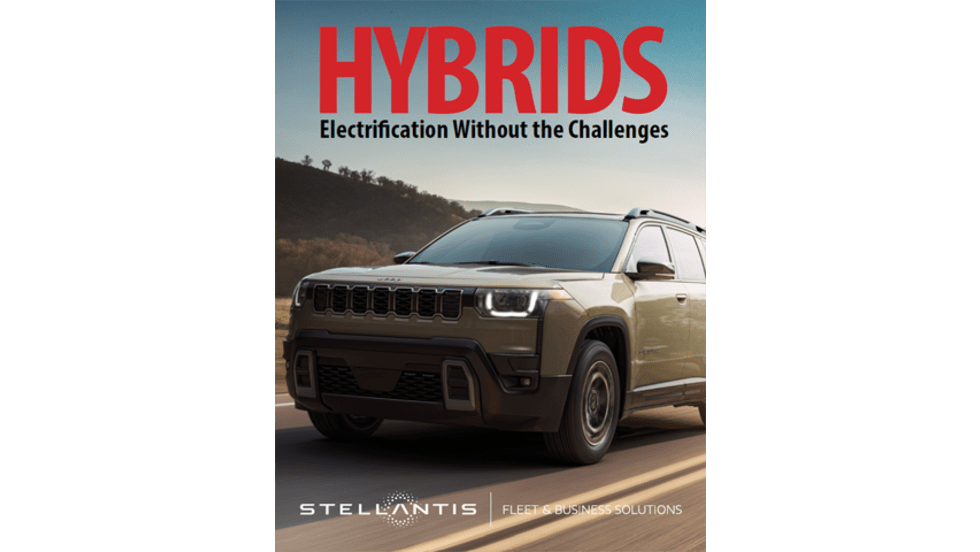
Hybrids: Electrification Without the Challenges
For fleet managers, fuel is one of the biggest line items in the budget — and it's one hybrids can shrink without changing how your people work. Download the eBook to see the numbers, understand the technology, and get a step-by-step guide to making the switch.
Read More →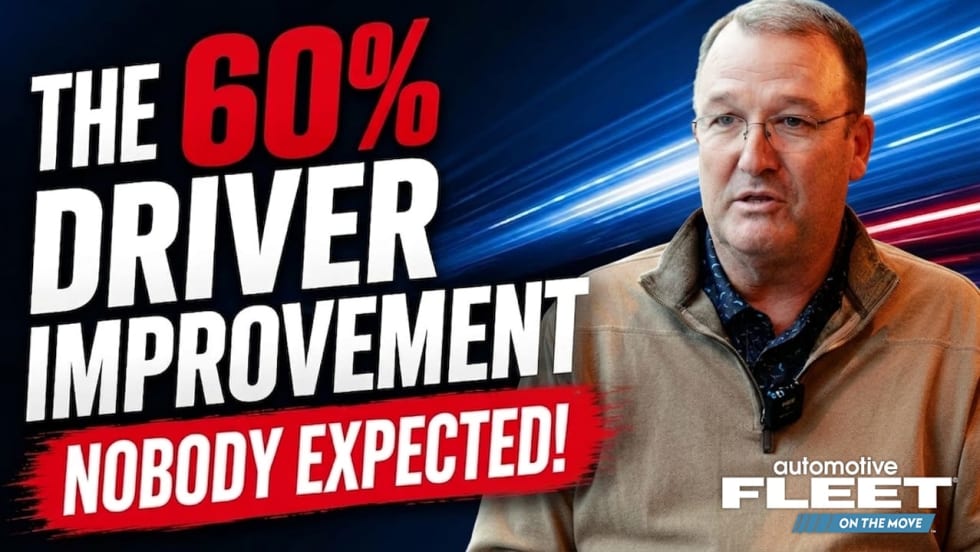
How NOV Uses Telematics to Improve Fleet Safety Across 160 Locations
James Victory of NOV discusses how the company manages fleet safety, maintenance, and telematics across more than 150 locations supporting oilfield operations throughout the U.S.
Read More →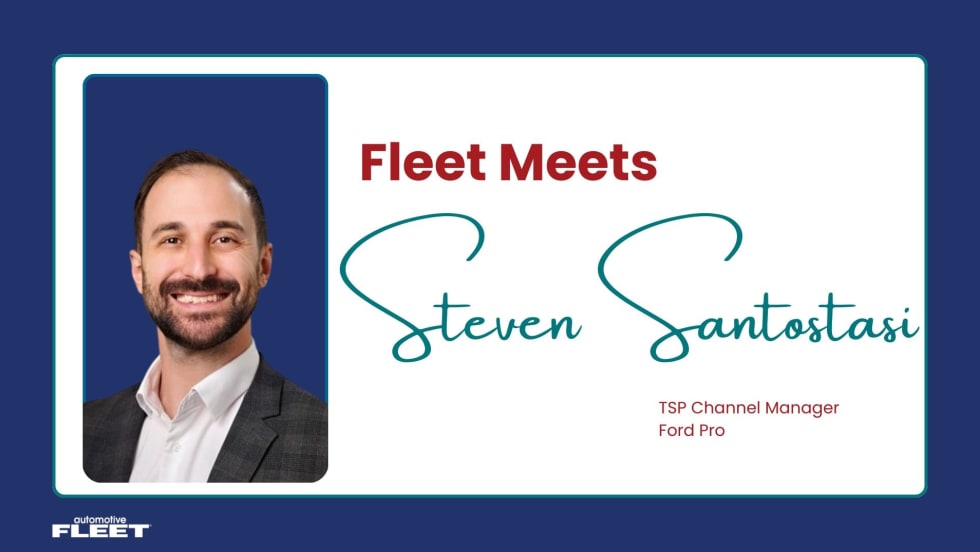
Fleet Meets: Steven Santostasi
This edition of the Fleet Meets series features Steven Santostasi, the current TSP channel manager for Ford Pro.
Read More →
Why Fleet Managers Are Replacing Departmental Vehicles with Shared Motor Pools
Departmentally assigned vehicles often create hidden costs through underutilization, poor visibility, and increased administrative burden. This white paper explores how shared motor pool strategies help fleets reduce costs, improve accountability, and optimize vehicle utilization.
Read More →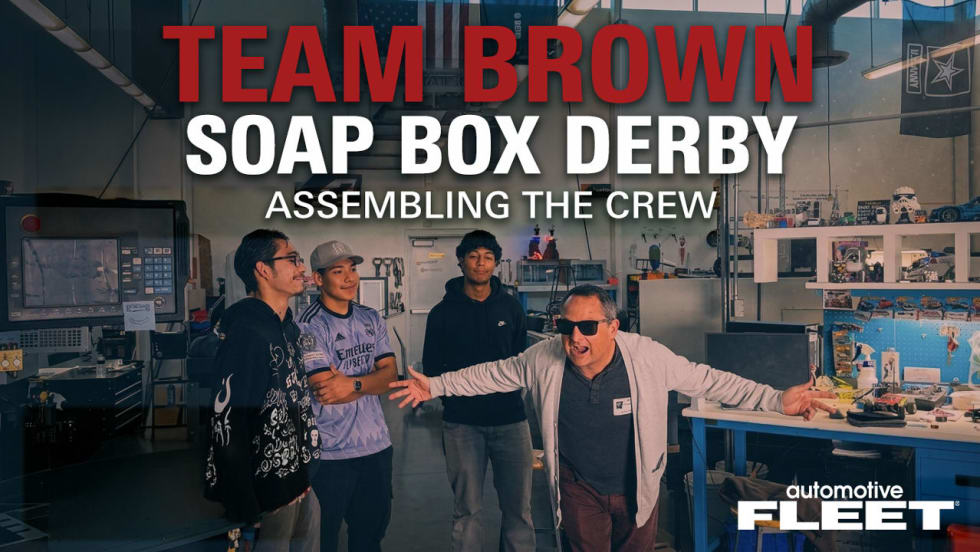
Soap Box Derby Challenge: Assembling the Crew
Meet Gabriel, Matthew, and Angel — the team helping bring this soap box derby build to life.
Read More →
BBL Fleet Acquires Velcor Leasing Corporation
BBL Fleet expanded its footprint in the fleet management industry with the acquisition of Velcor Leasing Corporation of Madison through a stock purchase agreement finalized Feb. 27, 2026.
Read More →
Lytx Introduces New AI Fleet Technologies at Protect 2026
The company introduced new AI-driven fleet safety and operations technologies during its annual user conference.
Read More →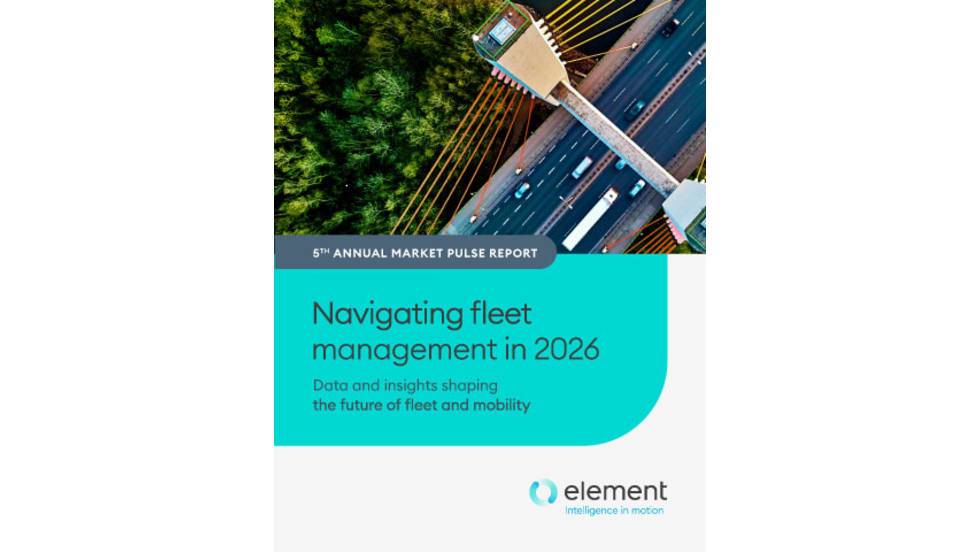
Fleet Costs Are Rising: Here’s How Leaders Are Responding
Fleet leaders are under pressure to reduce costs, adapt to economic uncertainty, and make smarter decisions. See how peers across North America are responding with real data, proven strategies, and forward-looking insights. Download the 2026 Market Pulse Report to benchmark your strategy and uncover where you can gain an edge.
Read More →
From Waffle House to AI: Fleet Trends You Need to Know
In this AF news recap, host Faith Howell covers how Waffle House stepped up during disaster response and new AI tech on the market.
Read More →
Fleet Operations in the Age of AI: Navigating Ethical and Legal Challenges
AI is no longer a future concept for fleets—it’s already embedded in the tools, data, and decisions that operators rely on every day. In this episode of the Fleet Forward Podcast, recorded live at Fleet Forward, industry leaders take the conversation beyond hype to examine what responsible AI adoption really looks like in fleet operations.
Read More →