




Refined Mazda Axela Goes on Sale in Japan
HIROSHIMA, JAPAN – Mazda Motor Corporation has released updated versions of the Mazda Axela sports compact in Japan.
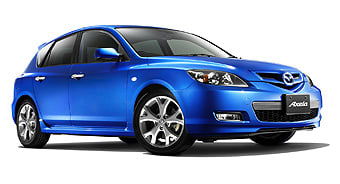
Mazda Axeka
HIROSHIMA, JAPAN – Mazda Motor Corporation has released updated versions of the Mazda Axela sports compact in Japan. Known as the Mazda3 in overseas markets, the Mazda Axela has earned high praise in Japan and abroad. All models in the range — including the four-door Axela, five-door Axela Sport, and Mazdaspeed Axela — feature fresh improvements and now available at all Mazda, Mazda Anfini, and Mazda Autozam dealerships nationwide.
Two new special edition versions of the Axela Sport, the 23HS and 20HS, which come outfitted with equipment to enhance their sporty pedigree, are also now on sale.
Exterior design modifications such as chrome door handles and expanded use of black molding on the rear bumper enlivens the Axela’s appearance. Interior quality has also been enhanced with the addition of piano black parts on the center panel, power window switch bezels, and other areas, and chrome parts for some levers and buttons. Reduced cabin noise and higher comfort levels have been achieved through the increased use of sound absorbent materials.
The Axela 20E model grade is a new addition to the range. It features exclusive sand-beige combination Alcantara seat covers with leather trim, a leather-wrapped steering wheel and shift knob, and blackout meters as standard equipment.
The special editions Axela Sport 23HS and 20HS come with a full complement of sports equipment, including 17-inch reflective aluminum wheels, aluminum pedals, a floating rear roof spoiler, and a BOSE sound system. These models also come with black Alcantara and genuine leather combination seat covers and Alcantara door trim.
MSRP vary from 1,510,750 to 2,070,000 yen for the Axela and from 1,510,750 to 2,410,000 for the Axela Sport (each price includes consumption tax).
More Operations

Company Vehicle or Reimbursement? How Fleets Are Rethinking Assignments
As fleet costs and insurance pressures rise, fleet managers are taking a closer look at which employees need company-provided vehicles and when a reimbursement program may make more sense.

Fleetio, ASE Launch Scholarship Program for Automotive Technicians
The second annual program will award 15 scholarships totaling $35,000 to support ASE certification, testing fees, and equipment costs.

Reading the Global Signals: What AI and the Energy Transition Mean for Fleets Now
In this opening keynote of the 2026 Fleet Forward Conference, John Rossant, founder of CoMotion, How can fleet managers navigate a never-ending, changing industry landscape?

90% Use Telematics. Are Fleets Getting Safer? | AF News Recap
This week, we're breaking down which industries have the highest rates, how Jamie McKay manages 2,400 vehicles, what's happening with the 2027 fleet awards, and why software-defined vehicles could introduce new costs.

What's Best Handled by an FMC, and What's Better Done Directly?
Fleet managers continue to rely on FMCs for essential services but are taking a closer look at where working directly with suppliers can improve efficiency and responsiveness.

Fleet Meets: Erin Gilchrist
Meet Erin Gilchrist, the inaugural Mike Antich Spirit of Fleet Award winner, as she shares insights on leadership, mentorship, the power of industry connections, and why people remain at the heart of fleet's future.

How 2026 Fleet Visionary Jamie McKay Manages 2,400 Vehicles Across 37 States
How do you keep 2,400 vehicles running across 37 states? Fleet Visionary Award winner Jamie McKay shares how collaboration, flexibility, and a few simple strategies help her tackle fleet management challenges at Aptive Pest Control.

Managing Fleet Costs in an Era of Permanent Volatility
Fleet operating costs have risen more than 20% since 2020, raising a key question: When does extending a vehicle's service life stop making financial sense?

The Next Evolution of Fleet Management: Autonomous Operations
This opening keynote session at the Fleet Forward Conference highlights the future of autonomous driving for fleets.

How to Reduce the Total Cost of Risk From Catalytic Converter Theft
A stolen catalytic converter can cost fleets far more in downtime and lost productivity than in repairs. A total-cost-of-risk approach can help fleet managers quantify their exposure and prioritize theft prevention.