




Prius v Still on Track for Fall Delivery
TORRANCE, CA – Following Toyota Motor Corp.’s (TMC) announcement in Japan that delivery of the Prius alpha will be delayed, Toyota Motor Sales U.S.A (TMS) announced that the Prius v is still on track for delivery to U.S. customers this fall.
TORRANCE, CA – Following Toyota Motor Corp.’s (TMC) announcement in Japan that delivery of the Prius alpha will be delayed, Toyota Motor Sales U.S.A (TMS) announced that the Prius v is still on track for delivery to U.S. customers this fall.

Prius v
Delay of the Japan-market Prius alpha is due to the ongoing effects of the March 11 earthquake and tsunami.
The Prius v is a mid-size hybrid vehicle expected to deliver estimated EPA fuel economy ratings of 44 mpg city, 40 mpg highway and 42 mpg combined.
“The Prius v brings leading-edge hybrid technology to customers who need more room and provides more cargo space than 80 percent of all small SUVs,” said Toyota Division Group Vice President and General Manager Bob Carter. “And because it’s a Prius, it produces 66 percent fewer smog-forming emissions than the average new vehicle and will have the best mileage ratings of any SUV, crossover or wagon sold in America.”
There is seating for five. Sliding second row seats allow for easier ingress and egress and rear-storage flexibility, with a 45-degree recline for greater comfort, Toyota said. The 60/40 split, folding rear seats present four different seat arrangements, while a fold-flat front-passenger seat allows for extremely long cargo.
Rear seats fold, slide and recline to configure for any mix of passengers and cargo, and operation switches are located close to the occupants.
The Hybrid Synergy Drive system in the Prius v is essentially the same as the current third-generation Prius. The system uses two high-output motors, one 60kw (80 hp) unit that mainly works to power the compact, lightweight transaxle and another smaller motor that mainly works as the electric power source. Maximum motor drive voltage is 650 volts DC. The nickel-metal hydride battery pack is the same as on the third-generation Prius liftback, but with a cooling duct located under the rear seat. As with current-generation Prius cars, the Hybrid Synergy Drive is a series-parallel hybrid system that can provide power either from the engine alone, the motor alone, or any mix of both. A hybrid control computer manages the system so that optimum power is delivered according to driver demand. It uses a start/stop system and regenerative braking to conserve fuel and recharge the battery upon deceleration.
Hybrid Synergy Drive is built around a 98-horsepower, 1.8-liter, four-cylinder engine that runs on the Atkinson cycle and contributes to a total system horsepower of 134. Key components include an electric water pump that requires no belts, and an exhaust gas recirculation (EGR) system that helps warm the engine quickly to reduce fuel consumption when the engine is cold. Compact and lightweight, the engine produces minimal noise and vibration. Sophisticated valve control, injector design and other technologies reduce emissions to allow the Prius v to qualify for SULEV and Tier2 Bin3 emissions standards, Toyota said.
For more details about the car, click here.
More Green Fleet

EV Charging Use Is Outpacing Infrastructure Growth
ChargePoint’s 2026 Charging Forward Report points to rising charger use, higher-powered charging, commercial vehicle electrification, and energy-management technology. Here’s what fleets should know.
Read More →
Merchants Fleet Reports 290M EV Miles as Fleets Navigate Changing Electrification Market
From millions in operating savings to hundreds of millions of EV miles, Merchants Fleet’s latest report reveals what’s working and what’s changing in fleet electrification.
Read More →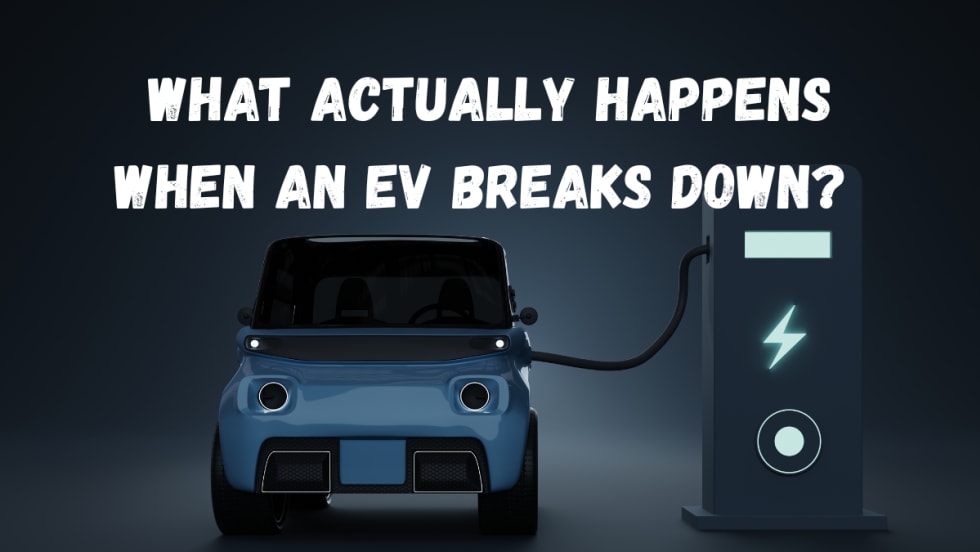
The EV Breakdown Nobody's Talking About: Why Most Electric Vehicle Roadside Calls Aren't Mechanical Failures
Here's why EV breakdowns are widely misunderstood.
Read More →
ChargePoint Now Available in Energy Pass
ChargePoint and additional planned charging network integrations were added to GM's Energy Pass.
Read More →

First Look: Slate Auto's Electric Fleet Pickup
Could an affordable, modular EV pickup make electrification more practical for fleets?
Read More →
Slate Debuts Colorful, Unique EV Models
A recent media and client event, studded with electric vehicles dressed up on platforms, planted a new position for the manufacturer in the wider EV market. Fleets will find cost-saving advantages.
Read More →
Slate Electric SUV, Pickup Switchable Model Aims For Light-Duty Fleets
Everything about this EV is counterintuitive and understated, making it stand out from the crowd.
Read More →
Inspiration Mobility Acquires Key Electrada Assets
Inspiration Mobility Group has acquired select assets of Electrada, adding the fleet electrification provider's team, technology, and charging infrastructure development capabilities to its energy management business.
Read More →
Turning Connected Vehicle Data Into Decisions That Matter
Fleet leaders have more data than ever, but turning that data into clear, actionable decisions remains a challenge. This white paper shows how leading organizations are using connected vehicle data to improve safety, reduce costs, and optimize fleet performance. Learn how to turn insight into action across your fleet.
Read More →