




Related: Do Your Drivers Know their Company Vehicle is not Equipped with a Spare Tire?
Potholes Causing $3B in Damage Each Year
Damage to vehicles caused by potholes on local roadways has cost drivers an average of $3 billion per year over the past five years, according to a new study from AAA.
by Staff
February 18, 2016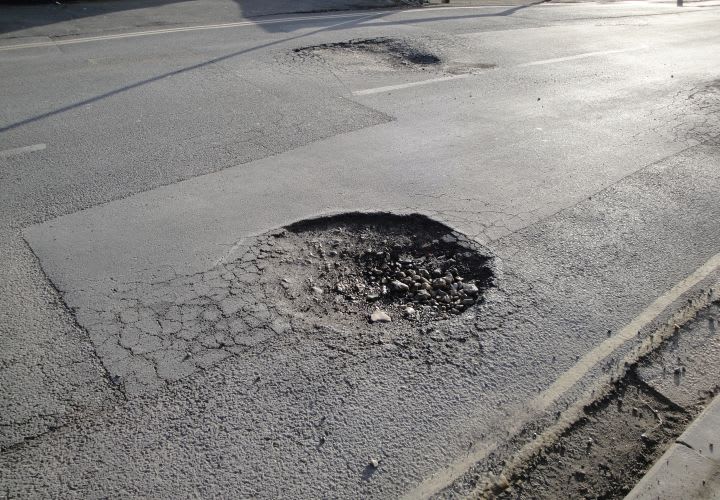
Photo via Wikipedia.
2 min to read
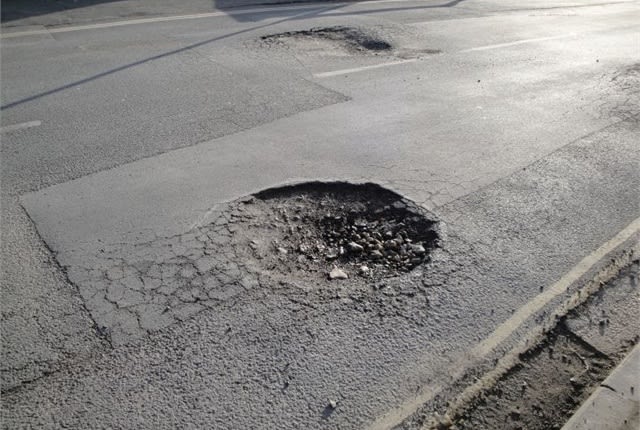
Photo via Wikipedia.
Damage to vehicles caused by potholes on local roadways has cost drivers an average of $3 billion per year over the past five years, according to a new study from AAA.
About two-thirds of Americans say they're concerned about potholes on local roadways, according to the study, which also urges state and local governments to fully fund and prioritize road maintenance to reduce vehicle damage.
"In the last five years, 16 million drivers across the country have suffered pothole damage to their vehicles," said John Nielsen, AAA's managing director of automotive engineering and repair. "The problems range from tire punctures and bent wheels, to more expensive suspension damage."
Middle- and lower-income individuals are the most worried about potholes with the majority of respondents in households having annual incomes under $75,000 expressing the highest levels of concern over damaged roadways, according to AAA's survey. This is likely due in part to the financial impact, as pothole damage can lead to expensive and extensive vehicle repairs.
"On average, American drivers report paying $300 to repair pothole-related vehicle damage," said Nielsen. "Adding to the financial frustration, those whose vehicles incurred this type of damage had it happen frequently with an average of three times in the last five years."
To minimize vehicle damage, drivers should make sure tires are properly inflated and have adequate tread depth. If a pothole strike is inevitable, drivers should slow down, release the brakes and straighten steering before making contact with the pothole. To avoid potholes in the roadway, drivers should remain alert, scan the road, and increase following distances behind the vehicle ahead.
AAA's members are paying a steep price for bad road conditions, and those costs are expected to rise even higher in the years ahead. Congress increased transportation funding in 2015 to help pay for road repair, but as much as $170 billion in additional funding is needed per year to significantly improve America's roads and bridges, according to the survey.
Every year, AAA responds to more than 4 million calls for flat tire assistance, many the result of damage caused by potholes. Spare tires, an important feature missing from one-third of 2015 model year vehicles sold, are critical for drivers affected by pothole damage. Tire inflator kits have replaced the spare tire in millions of vehicles over the last 10 model years and, due to their limited functionality, can't provide even a temporary fix for pothole damage. AAA has called on automakers to put consumer interests first and halt the elimination of spare tires in new models.
More Operations
Here's When You Should Make an Exception to Fleet Policy
Fleet policies are designed to create consistency, but not every driver or situation fits neatly within standard rules.
Read More →
AI-Native or AI-Acquired: What Should Fleet Managers Look for in an AI Platform?
Six questions can help fleet managers look beyond AI marketing claims to evaluate integration, data access, and real-world operational performance.
Read More →
Sponsored•October 14, 2026
A buyer's guide to fleet management software in 2027
Buying fleet management software in 2027 means looking beyond features and price. As fleet operations, technology and expectations evolve, this guide explores what today’s fleet professionals should consider when choosing a system that can deliver value now and adapt to what comes next.
Read More →

What Will Shape the Next Era of Fleet Management?
EVs, AI, and autonomous vehicles are reshaping fleet management. Discover what’s ahead—and how fleet leaders can prepare for the next era.
Read More →
How Fleets Can Recruit and Train Veterans for Technician Roles
Here's how the technician shortage has affected uptime for fleets, and what to do about it.
Read More →
Avis Budget Group Deploys Neology Toll Management Technology Across Major Brands
Neology’s neoFleet platform will manage toll transactions and toll-authority operations for vehicles across Avis, Budget, Payless, Budget Truck and Zipcar.
Read More →
Fleet Personal-Use Charges Edge Higher in 2026
Nearly eight in 10 surveyed fleets allow personal use of company vehicles, while just over half of respondents report charging employees for the privilege.
Read More →
The Future of Fleet + What’s Changing Right Now | AF News Recap
Could developments overseas offer a preview of what’s coming for U.S. fleets? This week, we’re looking at the future of AI, autonomy, and electrification, plus Ford Pro’s new certified pre-owned program, smarter vehicle offboarding, and a new way for fleets to manage toll expenses.
Read More →
How to Handle Vehicle Offboarding
What do fleet managers need to do when a driver leaves?
Read More →
Sponsored•October 1, 2026
Fleet Manager’s Ultimate Playbook: Navigating the New Standard in OEM Connectivity
Rising operating costs, driver safety concerns, and unplanned downtime are putting unprecedented pressure on modern fleets. Discover how fleet managers use embedded OEM connectivity and real-time vehicle data to cut TCO, prevent downtime, and protect drivers without aftermarket telematics hardware.
Read More →