




Planning for Vaccine Deliveries by Drone
The market for urban air mobility (UAM) may see more rapid expansion with last-mile drone deliveries of essential medicines to rural destinations, where the cost structure of ground shipping is prohibitively expensive.

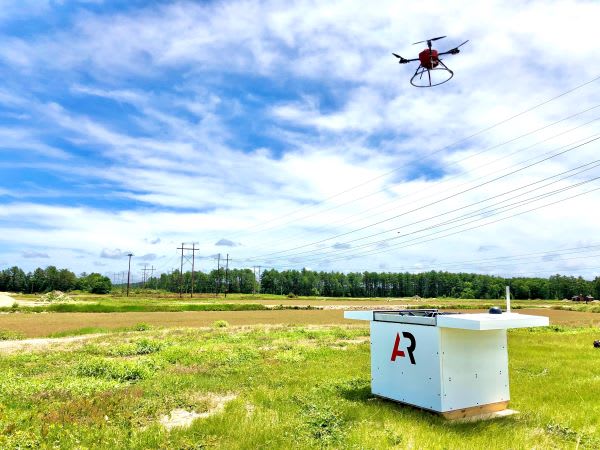
The U.S. took one step closer to commercial drone aviation in January when the FAA granted approval to American Robotics to operate its drones without direct human supervision and without keeping the drone in sight.
Photo courtesy of American Robotics Inc.
Urban air mobility (UAM) is looking to expand through last-mile drone deliveries of essential medicines and vaccines to rural destinations, according to map data provider UrbanFootprint.
Ground shipping to rural areas can be expensive. In remote areas, delivery companies like FedEx and UPS don’t deliver; they can’t earn a profit due to the high costs associated with long delivery distances, according to the article. And deliveries through the U.S. Postal Service can be unreliable and take a long time.
An analysis by Deutsche Bank found that last-mile delivery by drone is less expensive than conventional delivery companies. Premium ground shipping companies (like UPS and FedEx) cost $6 to $6.50 per delivery, mid-tier carriers cost $4 to $5 per delivery, USPS costs $2 per last-mile delivery, and robots/drones cost 5 cents per mile of delivery, according to the article.
Drones can provide a quicker and more reliable delivery method for medicines and vaccines to rural areas. Additionally, drones produce lower labor costs allowing delivery service providers to make these deliveries without losing a profit.
However, drone delivery to rural areas can create some technical issues. Currently, the average range for delivery drones is about 40 miles. Rural areas have few distribution centers and retail locations for drone landing. To deliver medical supplies, pharmacies in rural areas might need to be used as distribution centers where drones can land, according to the article.
More Fleet Forward

Chad Edmondson Named 2026 Fleet Safety Award Winner
The VSC Fire & Security fleet director oversees more than 1,100 assets nationwide. His approach to improving driver safety emphasizes collaboration, employee engagement, and building trust with the people behind the wheel.
Read More →
Joseph Lukacs Wins 2026 Global Fleet Manager of the Year
The Sherwin-Williams fleet leader adds another industry honor to his career after being named the 2025 Edward J. Bobit Professional Fleet Manager of the Year.
Read More →
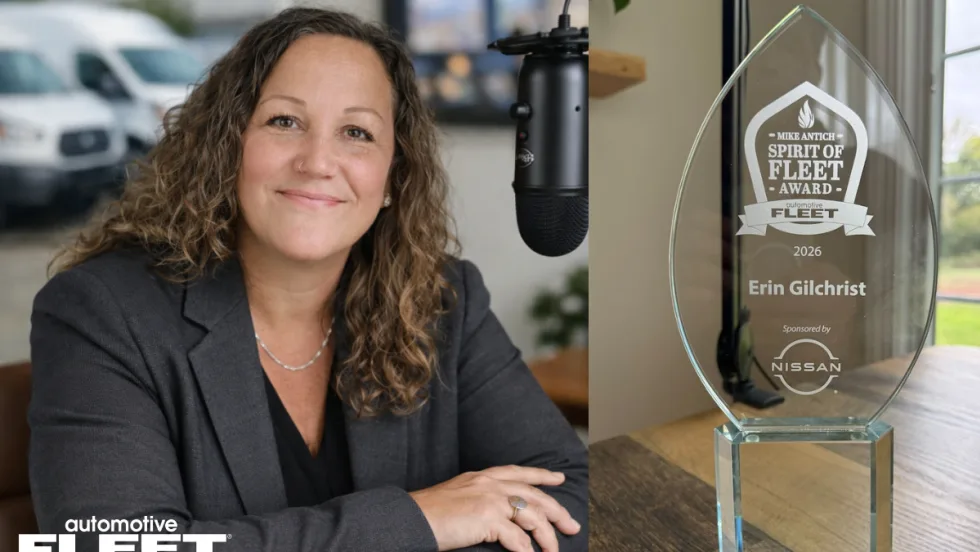
Erin Gilchrist Receives Mike Antich Spirit of Fleet Award
Last week at AFLA in Vegas, Erin Gilchrist received the inaugural, brand-new Spirit of Fleet Award.
Read More →
Dominika Leja Named the 2026 Fleet Manager of the Year
The AstraZeneca associate director of fleet was recognized for her leadership in fleet electrification, cost savings, and operational transformation.
Read More →
Jamie McKay Named the 2026 Fleet Visionary Award Winner
The Aptive Pest Control fleet manager was recognized for her approach to operations, data, lifecycle management, and driver needs.
Read More →
Fleet Forward Conference Introduces One-Day Passes for 2026
New one-day registration gives fleet professionals the flexibility to attend Tuesday, Wednesday, or Thursday, with passes available for $199 through Sept. 18.
Read More →
Vibe Coding: When Fleet Managers Become Software Builders
Five fleet professionals — none with programming skills — discuss how they’re using AI to build fleet solutions in-house and in a fraction of the time.
Read More →
Fleet Forward Conference Tackles Fleet Industry’s Growing Leadership Gap
This session will examine succession planning, knowledge transfer, and the skills the next generation of fleet leaders will need as veteran professionals leave the industry.
Read More →
2026 Fleet Manager of the Year Finalists Announced
Who are the 2026 Fleet Manager of the Year finalists?
Read More →