




PHH Arval's 20th Energy Conference Brings Together Key Industry Professionals
The conference brought together over 50 energy industry fleet professionals to address goals, concerns and business improvement strategies.
PHH Arval, a leading fleet management services provider, held its 20th Energy Conference at the JW Marriott Hotel in Houston, Texas on March 1. The conference brought together over 50 energy industry fleet professionals to address goals, concerns and business improvement strategies.
This year’s event focused on networking and brainstorming, with intensive workshops on topics such as DOT compliance, maintenance, asset redeployment, and in-vehicle telematics. There were also multiple opportunities to discuss new concepts and best-in-class solutions.
As a leading provider of fleet management services to the energy sector, PHH counsels clients on alleviating their fleets’ unique problems and helps to identify upcoming industry trends. From addressing the maintenance needs of trucks facing extreme conditions to exploring DOT regulations’ impact on energy fleets, PHH remains at the forefront of the industry.
“The workshops provided an opportunity for attendees to collaborate with their peers and industry experts in a more hands on way,” said Jim Halliday, senior vice president and chief business development officer of PHH Arval North America. “Our goal for the conference was to offer a tangible experience that empowers people to think differently and turn those ideas into real results for customers. Whether we were discussing tools for more effective fleet management, or how to reduce distracted driving, lessons learned at the Energy Conference will remain relevant year-round.”
The keynote speaker at the conference was Dr. Ken Morgan, professor of geology and associate dean of the College of Science & Engineering at Texas Christian University (TCU). Morgan, who recently became the director of the new TCU Energy Institute, discussed alternate fuel transportation – the vehicles, fueling infrastructure and implications for maintenance and repair.
More Operations

Top 50 Executive Fleets
It is that time of year again! Time for the 2026 list of the Top 50 Executive Fleets, presented by Automotive Fleet and Volvo as part of its annual Fleet 500. Download now to see this year's list of companies!
Read More →
Gary Van Orden Retires After Nearly Four Decades in Commercial Fleet
From answering customer calls at Ford Motor Company to leading fleet sales across multiple OEMs and a fleet management company, Gary Van Orden's career reflects nearly four decades of leadership in commercial fleet.
Read More →
How Stellantis Plans to Get Ahead of Fleet Downtime
Vehicle acquisition may grab the headlines, but fleet uptime increasingly determines operating success. Darren Bradshaw of Mopar North America gives the details.
Read More →
Hyundai Releases 2027 Commercial Program Incentives
The 2027 Model Year "Fleet Street Incentives" are available to commercial and government fleets.
Read More →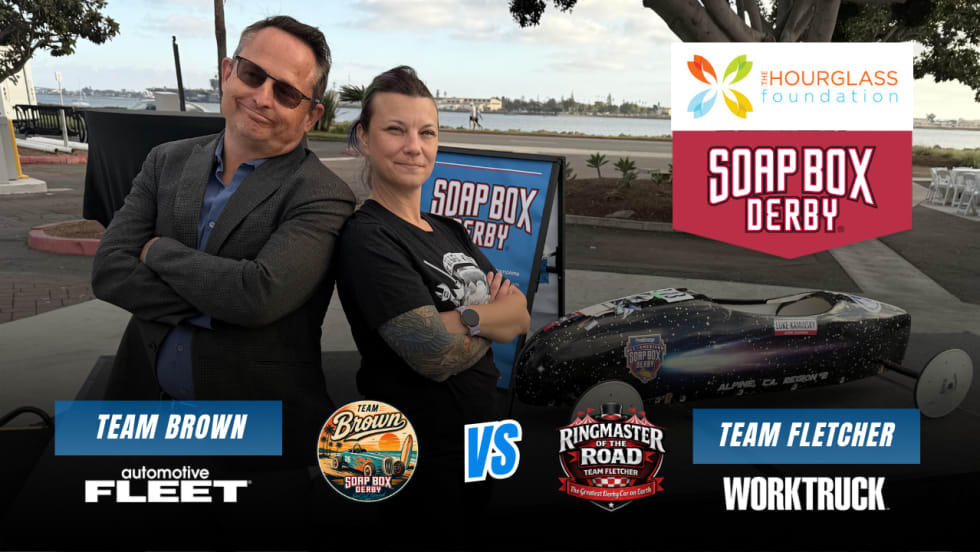
It's All Downhill from Here! Fleet Industry Raises $22,000 for Skilled Trades Scholarships
Work Truck’s Lauren Fletcher and Automotive Fleet’s Chris Brown turned a friendly racing rivalry into $22,000 for automotive technology and skilled trades scholarships.
Read More →
The Top 300 Commercial Fleets
The Top 300 Commercial Fleets: See the List
Read More →
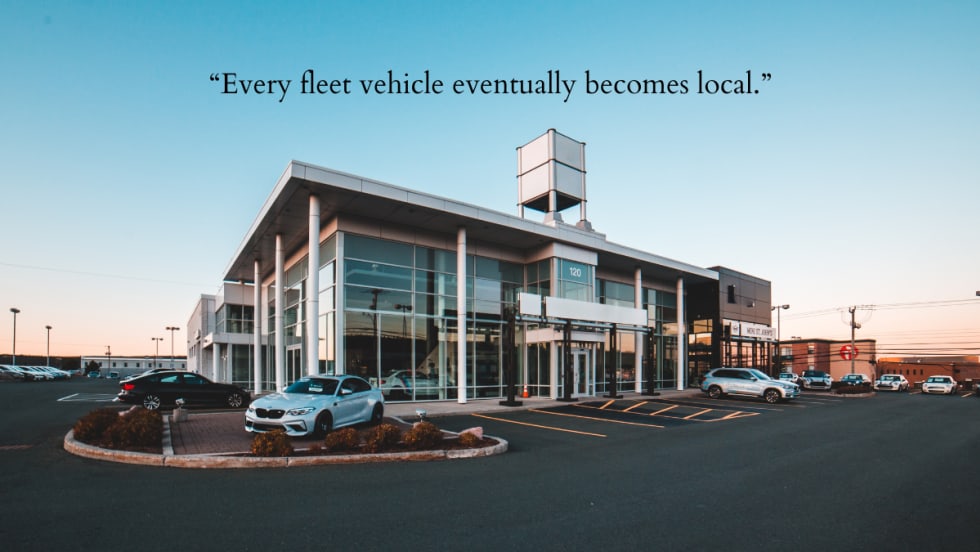
Your Local Dealer Knows More Than You Think
Your local dealer can provide an information advantage that extends well beyond courtesy deliveries.
Read More →
Fleet Meets: Austin Schutte
Here are some industry insights, personal touches, and words of advice from the CEO and Founder of Anew Solutions.
Read More →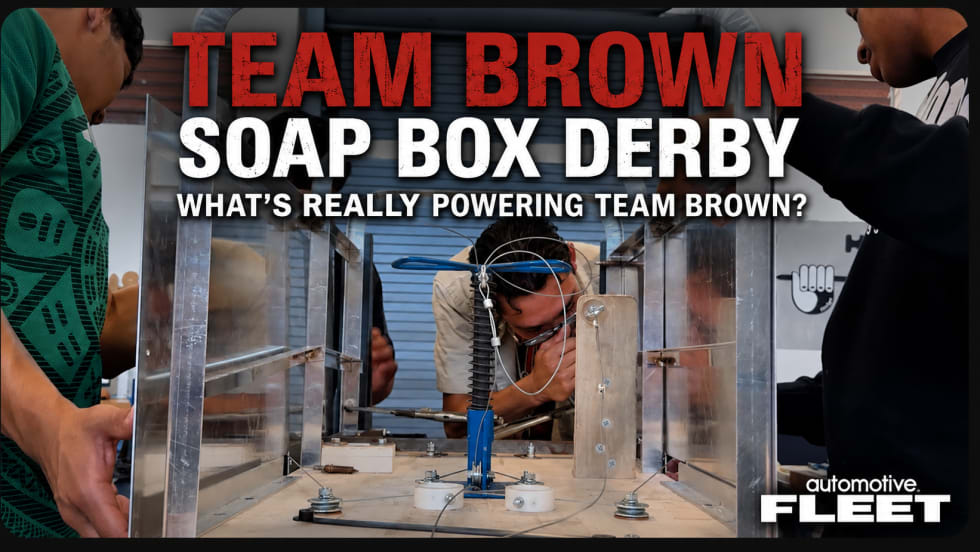
Soap Box Derby Challenge: What’s Powering Team Brown
The car is coming together, the students are solving real build problems, and the fleet industry is helping push Team Brown toward the starting line.
Read More →