





Learn More: What to Consider When Planning to Deploy an EV Utility Fleet
PG&E to Add Up to 160 CNG Medium-, Heavy-Duty Vehicles to Fleet
The initial pilot of 12 vehicles will include dump trucks, heavy gas crew trucks, and gas mechanic trucks and will be conducted during 2022 and 2023.
August 20, 2021

The initial pilot of 12 vehicles will include dump trucks, heavy gas crew trucks, and gas mechanic trucks and will be conducted during 2022 and 2023.
Photo: PG&E
2 min to read
The Pacific Gas and Electric (PG&E) gas operations team is partnering with fleet operations to pilot 12 new heavy- and medium-duty natural gas vehicles. This pilot is the first step to what is an expected compressed natural gas (CNG) fleet numbering 160 or more vehicles.
In the early 2000s, PG&E operated over 1,300 CNG vehicles as its low-emission fleet, because at the time electric vehicle technology wasn’t advanced enough. With the advent of new and improved battery systems, light-duty and some medium-duty vehicles in PG&E’s fleet will be all electric. However, larger low-emission vehicles in the medium- and heavy-duty classes are currently best served by using CNG technology, according to Gas General Construction director Ross Leverett. The pilot program will take employee feedback into account to ensure safety, reliability, comfort, range, and horsepower meet the needs of operators. Once the final design is completed, the larger fleet will be rolled out to gas operations.
The initial pilot of 12 vehicles will include dump trucks, heavy gas crew trucks, and gas mechanic trucks and will be conducted during 2022 and 2023. The vehicles will be deployed to various service centers in PG&E’s service area, to allow for field testing in a range of environments. After the successful pilot, PG&E will deploy the additional vehicles during 2024 and 2025.
According to Janisse Quinones, PG&E senior vice president of Gas Engineering, the environmental and cost-saving benefits are the primary reasons for this program, which is why it aligns with PG&E’s sustainability goals.
Specifically, these vehicles emit less carbon dioxide, nitrogen oxide, and sulfur oxide particles into the air than diesel-powered vehicles. They will also help save up to one million gallons of diesel fuel a year once the pilot is complete. The switch to renewable natural gas is estimated to reduce the fleet’s carbon emissions by 2,500 metric tons a year, which is a 9% yearly drop and an overall emissions reduction upwards of 30% over diesel.
PG&E will be utilizing renewable natural gas (RNG) to power this new fleet, which will lead to about $3.5 million in annual savings. According to senior fleet engineer Alexander Reimer, natural gas is about half the cost of diesel fuel, not including the incentives associated with RNG. PG&E operates 24 CNG stations to provide fuel to both the company and third-party drivers.
“Additional benefits of the CNG fleet include less maintenance and possibly greater reliability due to its simpler exhaust emissions package. The engines are also quieter than their diesel counterparts,” Reimer added.
Originally posted on Work Truck Online
More Green Fleet
Sponsored•October 1, 2026
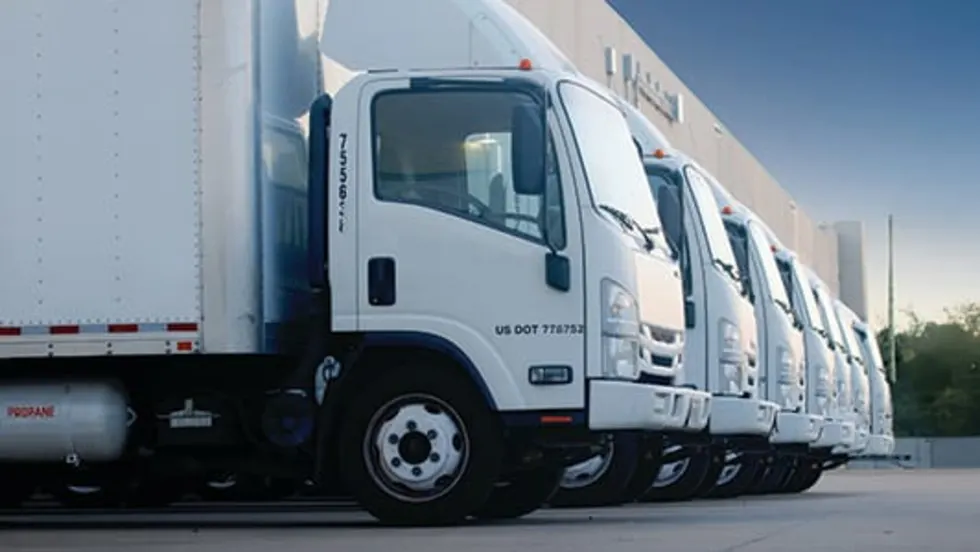
New Propane Autogas Program Offers Fleet Compensation
Qualified commercial fleets can receive $7,500 per eligible propane autogas vehicle and up to $10,000 for new refueling site prep. Learn how the program works and see whether your fleet qualifies.
Read More →
EV Charging Use Is Outpacing Infrastructure Growth
ChargePoint’s 2026 Charging Forward Report points to rising charger use, higher-powered charging, commercial vehicle electrification, and energy-management technology. Here’s what fleets should know.
Read More →
Merchants Fleet Reports 290M EV Miles as Fleets Navigate Changing Electrification Market
From millions in operating savings to hundreds of millions of EV miles, Merchants Fleet’s latest report reveals what’s working and what’s changing in fleet electrification.
Read More →
The EV Breakdown Nobody's Talking About: Why Most Electric Vehicle Roadside Calls Aren't Mechanical Failures
Here's why EV breakdowns are widely misunderstood.
Read More →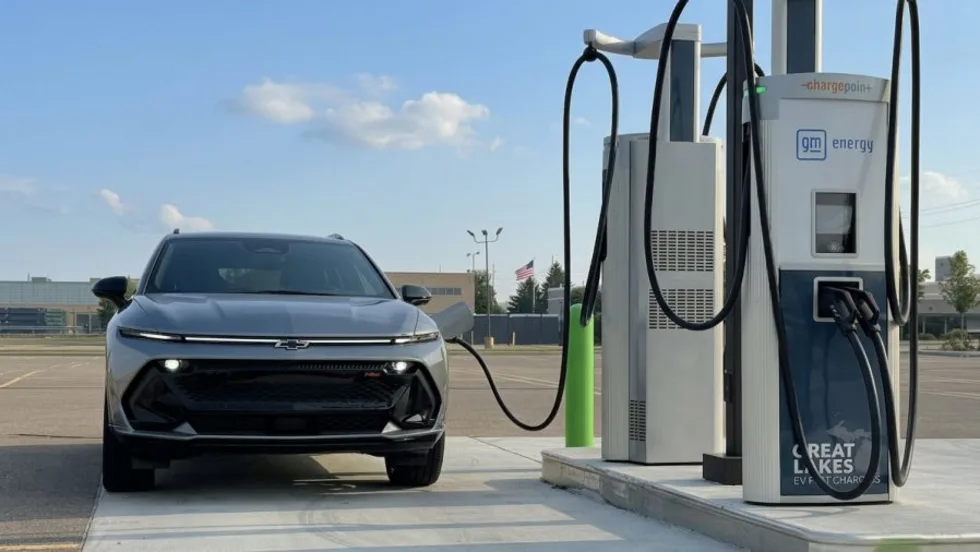
ChargePoint Now Available in Energy Pass
ChargePoint and additional planned charging network integrations were added to GM's Energy Pass.
Read More →

First Look: Slate Auto's Electric Fleet Pickup
Could an affordable, modular EV pickup make electrification more practical for fleets?
Read More →
Slate Debuts Colorful, Unique EV Models
A recent media and client event, studded with electric vehicles dressed up on platforms, planted a new position for the manufacturer in the wider EV market. Fleets will find cost-saving advantages.
Read More →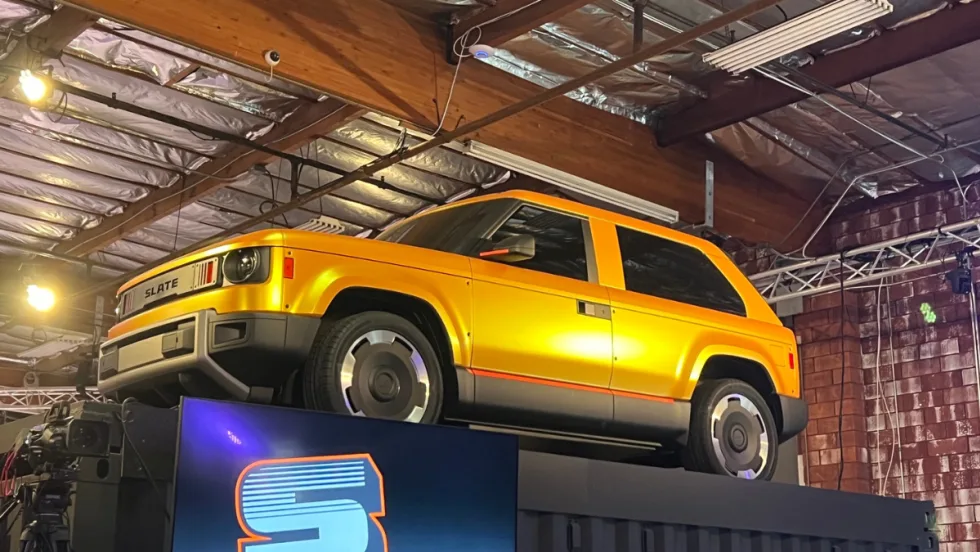
Slate Electric SUV, Pickup Switchable Model Aims For Light-Duty Fleets
Everything about this EV is counterintuitive and understated, making it stand out from the crowd.
Read More →
Inspiration Mobility Acquires Key Electrada Assets
Inspiration Mobility Group has acquired select assets of Electrada, adding the fleet electrification provider's team, technology, and charging infrastructure development capabilities to its energy management business.
Read More →