




PG&E Partnership Seeks to Reduce Truck Emissions at Oakland Port
SAN FRANCISCO --- Pacific Gas and Electric announced it has partnered with a trucking firm and a transportation company to reduce diesel emissions from trucks at the Port of Oakland.
SAN FRANCISCO --- Pacific Gas and Electric announced it has partnered with a trucking firm and a transportation company to reduce diesel emissions from trucks at the Port of Oakland. The project is helping to replace aging diesel trucks with cleaner-burning natural-gas vehicles. As the fourth busiest container port in the United States, the Port of Oakland is focused on reducing on-road diesel truck emissions from port operations that impact the West Oakland community. With more than 1,100 natural gas fueled vehicles -- the largest such fleet of any utility in the nation -- PG&E saw an opportunity to develop ways to help the port reduce diesel emissions. In addition to maintaining its own natural gas fleet, PG&E's fleet operation programs have helped fleet operators of school buses, transit systems and refuse collection trucks meet similar goals through education and training programs. "There was never any doubt natural gas trucks could do the job physically. The question was, could we work through the unique challenges at the port," said Chris Ferrara, PG&E's clean air transportation program manager. "Working with our partners we were able to highlight natural gas' tremendous safety record and its ease of refueling." The ideas and concepts put forth by PG&E took a leap when Mike Bowden, operator at the Burlington Northern Santa Fe Railroad, got involved. Bowden and PG&E located 10 liquefied natural gas (LNG) trucks to put in service at the port with a local "green" trucking company, CleanAir Transport. According to CleanAir Transport, it's just the beginning. "We really like the idea of being the leader in clean truck technology and using natural gas as one of our key strategies," said Roger Lowther, co-founder of CleanAir Transport. CleanAir Transport intends to purchase or convert up to 70 additional natural gas trucks to serve the Port of Oakland. Natural gas trucks are significantly cleaner than diesel trucks, up to two times as clean, and they emit zero diesel particulate matter, which is a carcinogen. Each vehicle burns no petroleum, displacing about 5,000 gallons of diesel fuel each year. As part of a demonstration project, PG&E loaned CleanAir Transport a first-of-its-kind compressed natural gas (CNG) port shuttle truck and an LNG mobile fueling station to fuel the LNG trucks. LNG trucks have more range because the liquefied fuel takes up less space and its tanks can carry more fuel than CNG vehicles. Plans are underway at the port to build permanent LNG and CNG fueling. PG&E has four LNG trucks awaiting delivery for its own fleet needs and is donating four cleaner diesel trucks with exhaust retrofits for port trucking. The utility hopes this will encourage large trucking companies to consider doing the same so the port can replace older diesel trucks. PG&E is also working on two other LNG fueling station projects at PG&E yards in Sacramento and in Fremont to fuel LNG utility trucks. These will also be open to the public. The Sacramento LNG station is almost completed. Construction on the Fremont LNG station will begin in mid February.
More Operations
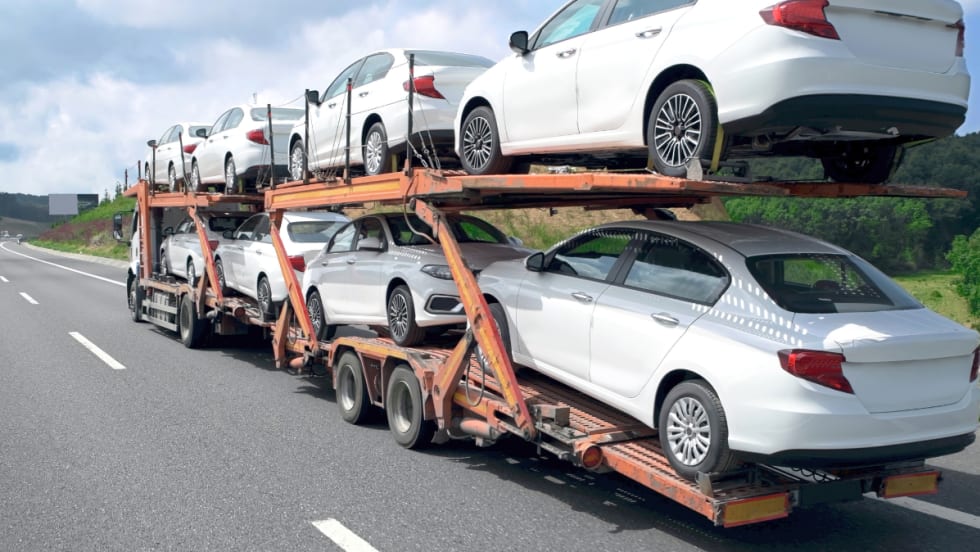
The Data-Driven Haul: 5 Ways AI is Leveling the Playing Field in Auto Transport
Large and small transport fleets are becoming more competitive as predictive analytics and real-time data inform the logistics decision chain.
Read More →
Turning Connected Vehicle Data Into Decisions That Matter
Fleet leaders have more data than ever, but turning that data into clear, actionable decisions remains a challenge. This white paper shows how leading organizations are using connected vehicle data to improve safety, reduce costs, and optimize fleet performance. Learn how to turn insight into action across your fleet.
Read More →
Cameras, Safety and Insurance: From Reactive Claims to Real-time Prevention
Commercial auto remains one of the most challenging and costly lines of coverage for fleet operators and insurers alike. Learn more about how to effectively address these issues from Onur Aksan, Enterprise Business Development Executive, Geotab.
Read More →

Are You Tracking Your Fleet's True Total Cost of Ownership?
Bobit Business Media surveyed 190 fleet professionals and found that while most fleets are tracking costs, fragmented systems and data gaps are keeping true TCO visibility out of reach. With rising pressure to control spend in an increasingly volatile environment, the gap between what fleets think they know and what the data actually shows is wider than you might expect. See how your peers are managing costs today and where the industry still has room to improve.
Read More →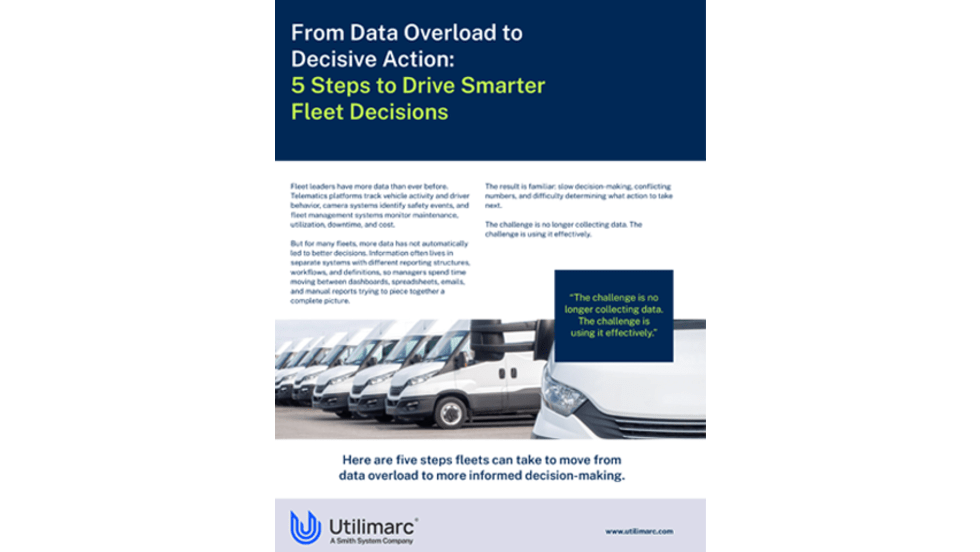
Turn Fleet Data Into Smarter Decisions
Fleet leaders have access to more operational data than ever, but disconnected systems and unclear metrics often slow decision-making instead of improving it. This article outlines five practical steps fleets can take to transform fragmented data into actionable insights that improve planning, safety, utilization, and long-term performance.
Read More →
Hybrids: Electrification Without the Challenges
For fleet managers, fuel is one of the biggest line items in the budget — and it's one hybrids can shrink without changing how your people work. Download the eBook to see the numbers, understand the technology, and get a step-by-step guide to making the switch.
Read More →
How NOV Uses Telematics to Improve Fleet Safety Across 160 Locations
James Victory of NOV discusses how the company manages fleet safety, maintenance, and telematics across more than 150 locations supporting oilfield operations throughout the U.S.
Read More →
Fleet Meets: Steven Santostasi
This edition of the Fleet Meets series features Steven Santostasi, the current TSP channel manager for Ford Pro.
Read More →
Why Fleet Managers Are Replacing Departmental Vehicles with Shared Motor Pools
Departmentally assigned vehicles often create hidden costs through underutilization, poor visibility, and increased administrative burden. This white paper explores how shared motor pool strategies help fleets reduce costs, improve accountability, and optimize vehicle utilization.
Read More →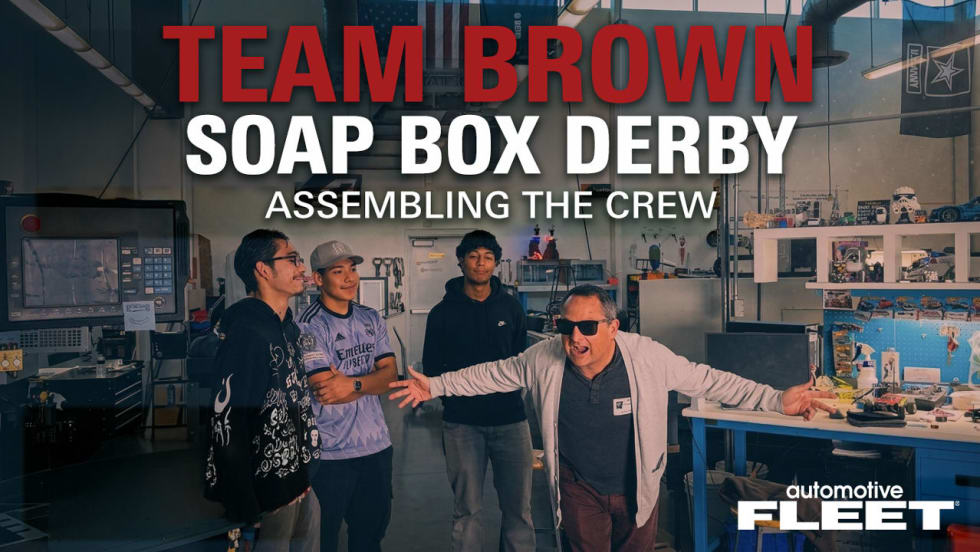
Soap Box Derby Challenge: Assembling the Crew
Meet Gabriel, Matthew, and Angel — the team helping bring this soap box derby build to life.
Read More →