




Paul Ryan: Highway Bill Takes Backseat to Tax Reform
Rep. Paul Ryan (R-WI), Chairman of the powerful Ways and Means Committee, has strongly indicated that there’s no way around applying another short-term patch to keep the Highway Trust Fund solvent.

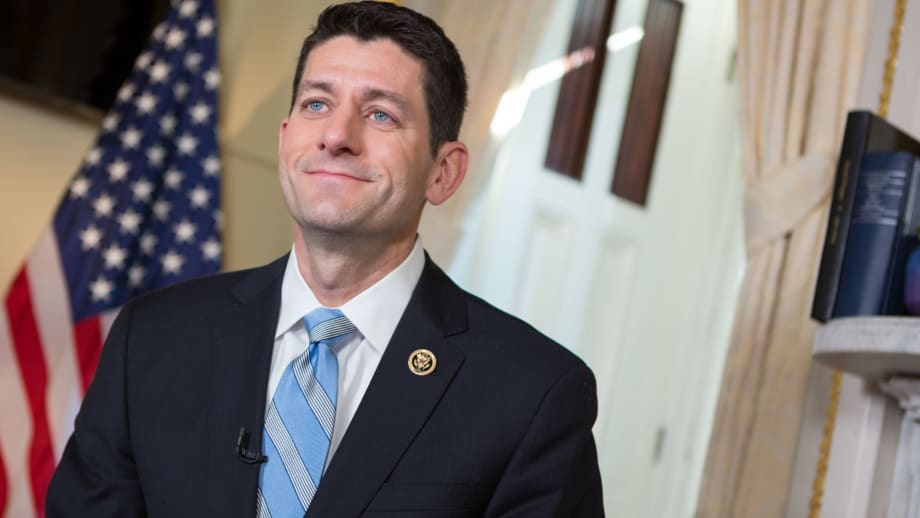
Rep. Paul Ryan, Chairman of the House Ways and Means Committee. Photo: speaker.gov
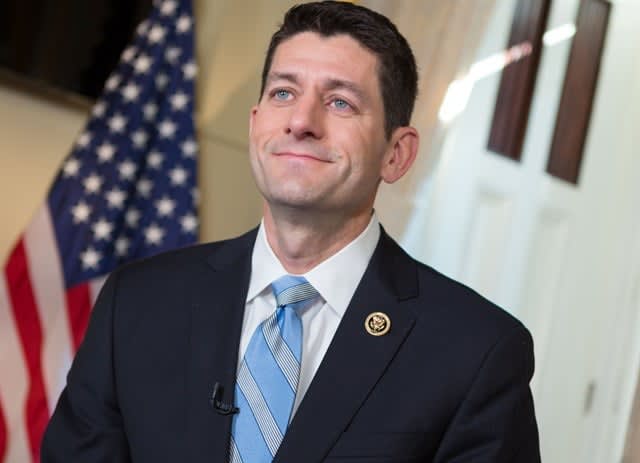
Rep. Paul Ryan, Chairman of the House Ways and Means Committee. Photo: speaker.gov
Rep. Paul Ryan (R-WI), Chairman of the powerful Ways and Means Committee, has strongly indicated that there’s no way around applying another short-term patch to keep the Highway Trust Fund solvent.
Speaking at a Christian Science Monitor media event on Thursday, Rep. Ryan said that there just isn’t enough time left before the current highway funding bill expires on May 31 to make the reform of corporate taxes to the degree he is seeking part of the package.
Both Ryan and President Obama favor repatriation— using revenue from taxing corporate profits earned overseas to help ensure long-term funding of surface-transportation infrastructure investments.
Ryan explained that he is aiming to achieve “limited” tax reform this year, mostly related to the corporate tax rate, according to a report posted by The Monitor. Ryan said if that is accomplished, it will amount to a “down payment” on completing more extensive tax reform in 2017—that is, if the GOP takes the White House in the next election.
Meanwhile, the House Appropriations Committee has released its draft of the 2016 THUD (Transportation, Housing and Urban Development) funding bill. The measure, which falls far short of the funding level sought by the White House, would provide over $40.25 billion from the Highway Trust Fund to be spent on the Federal-aid Highways Program.
“This [amount] is equal to the fiscal year 2015 level,” stated a press release issued by the Committee’s majority. The statement also noted for the record that “this funding is contingent on the enactment of new transportation authorization legislation, as the current authorization expires this year.”
That level of funding should disappoint highway advocates. But trucking interests should welcome other elements of the package as now marked up.
For starters, the 2016 fiscal bill would not only keep the current suspension of the 34-hour restart provisions of the Hours of Service rule in effect until the Federal Motor Carrier Safety Administration completes its required study of that rule change.
The kicker is that THUD 2016 would also only revoke the rule suspension if FMCSA’s impact report shows that “drivers who operated under the restart provisions… demonstrated statistically significant improvement in all outcomes related to safety, operator fatigue, driver health and longevity and work schedules” vs. drivers who had run under the rules in place before the 2013 change.
The bill would also prevent FMCSA from further pursuing a rulemaking to up the liability insurance required of motor carriers above the current $750,000 minimum amount.
But wait, there’s more.
Another provision would allow the use of 33-ft doubles trailers and yet another prevent FMCSA from conducting roadside inspections wirelessly until the agency can demonstrate to Congress that doing so wouldn’t “conflict with existing non-federal electronic screening systems.”
More Operations

Fleet Has a Talent Pipeline Problem. What Comes Next? | AF News Recap
Where will fleet’s next generation of leaders come from? This week, we’re looking at the industry’s talent pipeline, what certification can add to a fleet career, how to build an award-worthy track record, and the return of Automotive Fleet’s Personal Use Survey.
Read More →
Smith System Launches Driver Risk Management Program
Fleets have more driver data than ever, but identifying risky behavior doesn't necessarily correct it. Smith System's new Driver Risk Management program combines monitoring, training, and follow-up coaching to help fleets connect risk signals with driver intervention.
Read More →
Automotive Fleet Opens 2026 Personal Use Survey for Commercial Fleet Managers
Less than two weeks left! Commercial and corporate fleet managers are invited to share how their organizations handle company vehicle personal-use policies, charges, and driver eligibility.
Read More →
From AI Prompts to AI-Generated Safety Songs | AF News Recap
Can better prompts make AI more useful for fleet managers? This week, we’re breaking down smarter fleet analysis, an AI-assisted experiment that turned safety training into music, and what happened to fuel prices in August.
Read More →
How to Write Better AI Prompts for Fleet Analysis
Include these six elements in your fleet prompts to generate more relevant analysis and accurate answers.
Read More →
Fleet Meets: Eric Kilgore
This edition of the Fleet Meets series features one of the industry's best leaders driving multi-market and national operations.
Read More →
Why Reactive Fleet Management Is Becoming Too Expensive to Sustain
Research highlights a growing need for proactive management strategies to address rising costs in fleet operations effectively.
Read More →
What Your Fleet KPIs Aren’t Telling You
Tracking fleet metrics is only useful when the data leads to better decisions. This guide helps fleet leaders assess cost, utilization, and downtime more accurately, identify performance gaps, and prioritize the actions that can improve operational results.
Read More →
Hidden in Plain Sight: Fleet Compliance Risks
Fleet compliance isn't just about having policies — it's about consistently enforcing them. This practical guide reveals six hidden compliance risks common in public sector and shared fleet operations and outlines proven strategies to improve visibility, accountability, and audit readiness
Read More →
Turning Fleet Payment Data into Executive Insights
Does data alone drive results in operations?
Read More →