




Oil Prices Drop
NEW YORK --- Crude-oil futures dropped more than $2 a barrel today, amid lingering concerns about demand, the Wall Street Journal reported.
NEW YORK --- Crude-oil futures dropped more than $2 a barrel today, amid lingering concerns about demand, the Wall Street Journal reported.
At one point today, light, sweet crude for December delivery was down $2.61 at $65.20 a barrel on the New York Mercantile Exchange. Brent crude on the ICE Futures exchange fell $4.06 to $61.26 a barrel.
One factor has been a slowdown in China's economic growth, according to analysts at Credit Suisse. Credit Suisse now sees world oil demand falling by 300,000 barrels a day next year -- the sharpest decline since the early 1980s.
"The oil market news is understandably dominated by repeated, rapid downward lurches in the demand curve, and these may continue for a while yet," the bank's analysts said in a note.
In general, Nymex crude has traded between $60 and $70 a barrel over the past week.
"The market is still trying to make up its mind about taking another leg down," Dean Hazelcorn, a trader at Coquest Inc. in Dallas, told the Wall Street Journal. "I think it's at least a 50-50 chance."
A week ago, the price of crude touched $61.30 a barrel, the lowest since May 2007.
The Organization of Petroleum Exporting Countries last month agreed to trim output by 1.5 million barrels a day, starting Nov. 1.
The cartel's president, Chakib Khelil, on Sunday said the move "will take a long time to take hold" and shore up prices because demand for oil remains below OPEC's revised production level, Agence France-Presse reported.
The United Arab Emirates, Nigeria and Iran have all announced plans to cut supply. But crude oil traders are still waiting for Saudi Arabia's response to OPEC's decision.
In its note, Credit Suisse said, "OPEC is now in damage limitation mode and all talk of defending certain price levels is fanciful."
More Fuel

WEX Report: Fleet Fuel Costs Rise as Purchasing Volumes Hold Steady in 2026
New analysis of WEX customer transaction data highlights rising fuel expenses, differences in purchasing behavior, and opportunities for fleet managers to evaluate operating costs.

October Fuel Trends Show Diverging Gasoline and Diesel Prices
Get the latest fuel trends from October.

Fuel Prices Surge in September | September Fuel Update
September brought major fuel price swings, including diesel crossing $6 a gallon. Here’s how gas and diesel prices changed throughout the month, and where they stood heading into October.

Turning Fleet Payment Data into Executive Insights
Ramel Lindsay of U.S. Bank Voyager discusses how fleets can transform payment and transaction data into actionable intelligence to reduce costs, improve oversight, and support executive decision-making.

Why the IRS Raised Its Mileage Rate in the Middle of 2026
Fuel-price volatility drove the rare increase to 76 cents per mile, the fifth midyear adjustment since 2000.
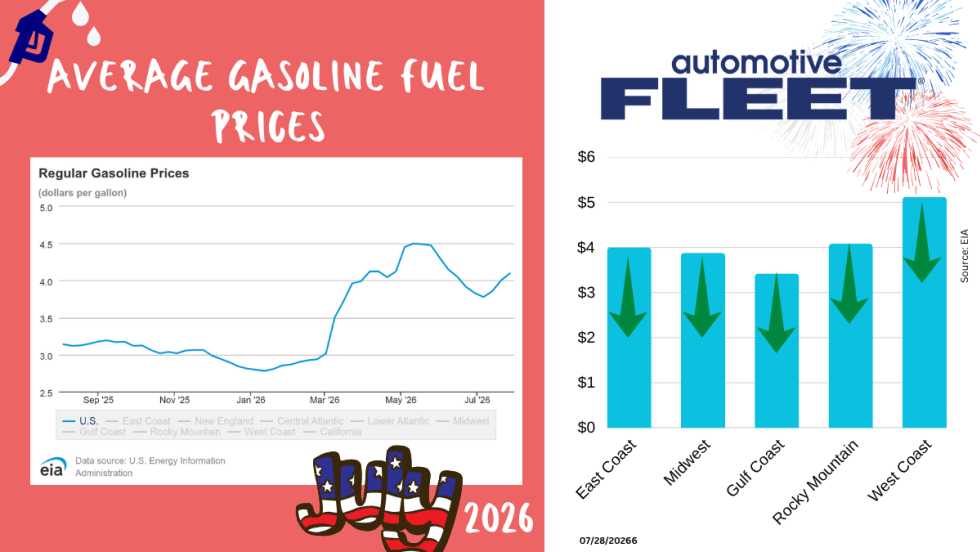
July Fuel Update: Prices Keep Rising in Light of More Conflict
Gas prices continue to rise as more and more conflicts do, too.

Bob Adamsky on Fuel Volatility: "Don't Panic, Have a Plan."
When it comes to up and down fuel prices, Adamsky has a message for fleets: “Don’t panic.”

How Fleets Can Gain Control of Non-Fuel Spend
Fuel often gets the spotlight, but non-fuel expenses can have a major impact on fleet costs. Ramel Lindsay of U.S. Bank Voyager discusses how fleets can gain better visibility and control over these often-overlooked expenditures.

Fuel is Just the Start: How Middle East Tensions are Driving Up Fleet Maintenance Costs
The Middle East conflict is doing more than pushing up fuel prices. It’s also raising the cost of key maintenance products your fleet depends on, from motor oil to tires to windshield wipers. Here’s what you need to know about this budget-busting situation.
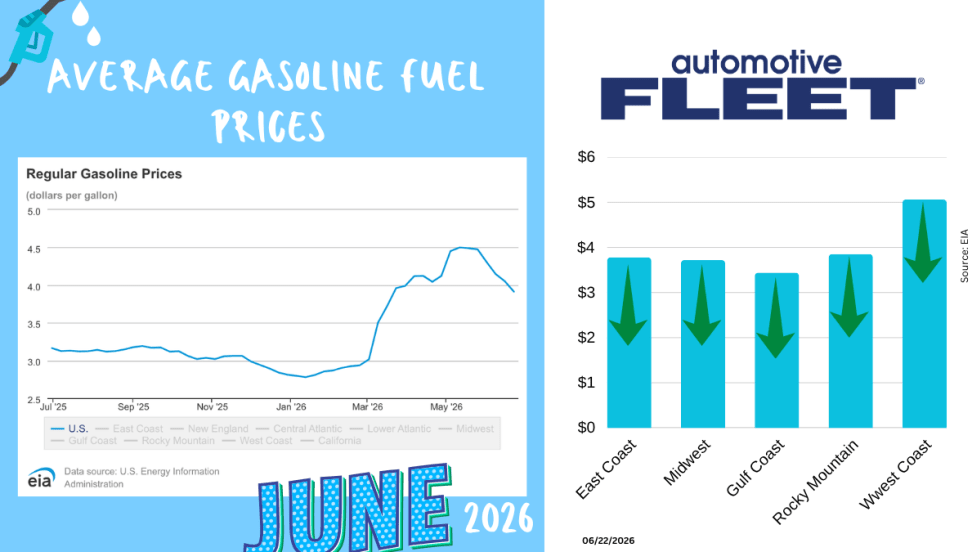
June Fuel Update: Prices Fall Below $4
Drivers are finally getting some relief at the pump. The national average gas price has dropped below $4 a gallon for the first time in months, with prices falling in 47 states as oil markets react to developments in U.S.-Iran negotiations.