




Ohio State Engineers Win EcoCAR Contest
TORONTO --- Students from Ohio State University on June 12 earned top honors at the 2009 finals of the "EcoCAR: the Next Challenge" competition in Toronto, Canada, for their design of an extended-range electric vehicle (EREV).
TORONTO --- Students from Ohio State University on June 12 earned top honors at the 2009 finals of the "EcoCAR: the Next Challenge" competition in Toronto, Canada, for their design of an extended-range electric vehicle (EREV).
Ohio State University took first place out of 17 universities in the U.S. and Canada that competed in the first round of this three-year competition. Contest sponsors include the U.S. Department of Energy, General Motors, and the Government of Canada, along with others.
The competition challenges university engineering students across North America to re-engineer a 2009 Saturn VUE to improve fuel efficiency and reduce emissions while retaining the vehicle's performance and consumer appeal.
During the past year, teams have logged countless hours to design the next generation of green vehicle technologies. For this first year of the competition, students were tasked with creating innovative concepts for their vehicle design and given the opportunity to use advanced software and computer modeling tools that allowed for testing and refinement under the simulation of real-world conditions.
The winning team's EREV provides a practical solution that will increase energy efficiency and reduce environmental impacts, contest organizers said. Ohio State's design was powered by a 1.8-liter engine and fueled by E85 ethanol. The next-generation design predicts a 300 percent increase in fuel economy over the production 4 cylinder vehicle.
"My teammates and I are thrilled to be named this year's winner of the EcoCAR competition," said Eric Schacht, a student engineer and team leader from the Ohio State team. "The many long days and late nights spent perfecting our vehicle design paid off today, and we couldn't be more grateful for the opportunity to participate in such an important competition."
The second-place vehicle design, engineered by students at the University of Victoria, is also an EREV that runs on E85 ethanol. Mississippi State University was awarded third place for its EREV, which runs on B20 biodiesel.
"All 17 EcoCAR teams worked tirelessly, studying the available technologies, doing the necessary research, and formulating their incredible designs. I want to congratulate Ohio State for their hard work and extraordinary concept -- they have earned their first-place honors," said John Lushetsky of the U.S. Department of Energy.
"The vehicle designs that each team has created represent the kinds of technology that will drive our industry to a greener future. I commend all of the teams for their hard work and creative thinking," added Elizabeth A. Lowery, GM vice president for environment, energy and safety policy.
In year two of the competition, teams incorporate their unique powertrains into the Saturn VUE. In the final year, teams must refine their vehicles to near-showroom quality.
Students were encouraged to explore a variety of solutions, including hybrid, plug-in hybrid, fuel cell, electric and extended range electric vehicles.
Almost half of the EcoCAR teams -- including Ohio State, University of Wisconsin and Virginia Tech -- chose to design extended-range electric vehicles. These vehicles, like GM's Chevy Volt, demonstrate full performance with an electric powertrain for all electric driving and an optimized combustion engine that can extend the range of the vehicle with its on-board fuel storage. The other EREV teams are Embry-Riddle Aeronautical University, Mississippi State University, North Carolina State University, Penn State and University of Victoria.
One team, University of Ontario Institute of Technology, chose to design a full-function electric vehicle, which emits zero emissions and consumes no liquid or gaseous fuel.
Two of the 17 EcoCAR teams, University of Waterloo and Missouri University of Science and Technology, designed a fuel cell plug-in hybrid vehicle that uses an onboard hydrogen fuel cell to either propel the vehicle or recharge a battery pack.
Six of the EcoCAR teams -- including Texas Tech, West Virginia University and Michigan Tech -- designed plug-in hybrid electric vehicles that use a large lithium ion battery. The other PHEV teams include Howard University, Georgia Tech, Rose-Hulman Institute of Technology.
More Green Fleet
EV Charging Use Is Outpacing Infrastructure Growth
ChargePoint’s 2026 Charging Forward Report points to rising charger use, higher-powered charging, commercial vehicle electrification, and energy-management technology. Here’s what fleets should know.
Read More →
Merchants Fleet Reports 290M EV Miles as Fleets Navigate Changing Electrification Market
From millions in operating savings to hundreds of millions of EV miles, Merchants Fleet’s latest report reveals what’s working and what’s changing in fleet electrification.
Read More →
The EV Breakdown Nobody's Talking About: Why Most Electric Vehicle Roadside Calls Aren't Mechanical Failures
Here's why EV breakdowns are widely misunderstood.
Read More →
ChargePoint Now Available in Energy Pass
ChargePoint and additional planned charging network integrations were added to GM's Energy Pass.
Read More →
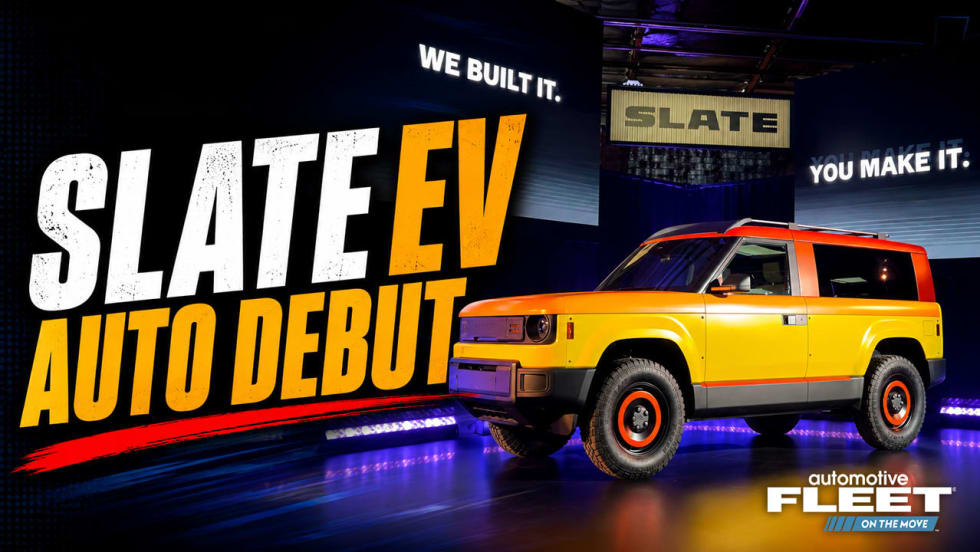
First Look: Slate Auto's Electric Fleet Pickup
Could an affordable, modular EV pickup make electrification more practical for fleets?
Read More →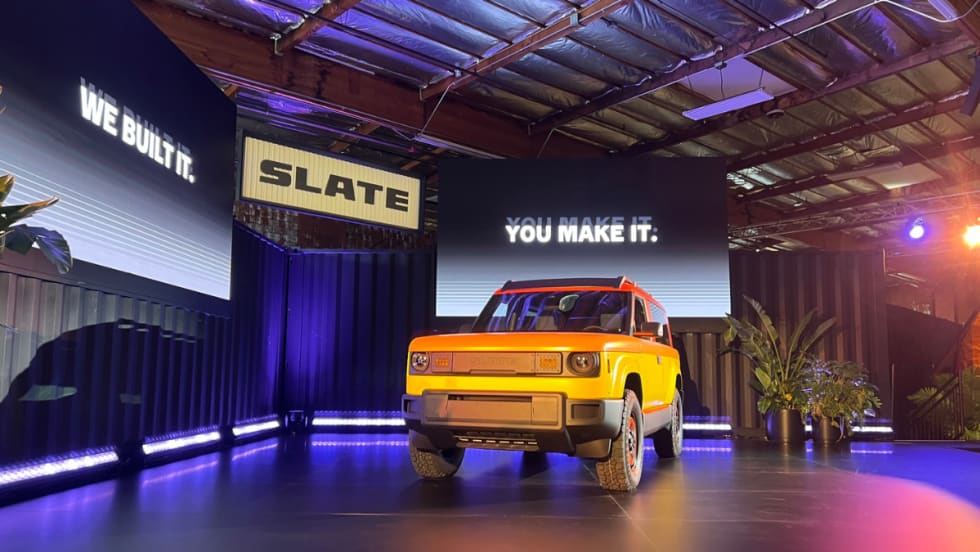
Slate Debuts Colorful, Unique EV Models
A recent media and client event, studded with electric vehicles dressed up on platforms, planted a new position for the manufacturer in the wider EV market. Fleets will find cost-saving advantages.
Read More →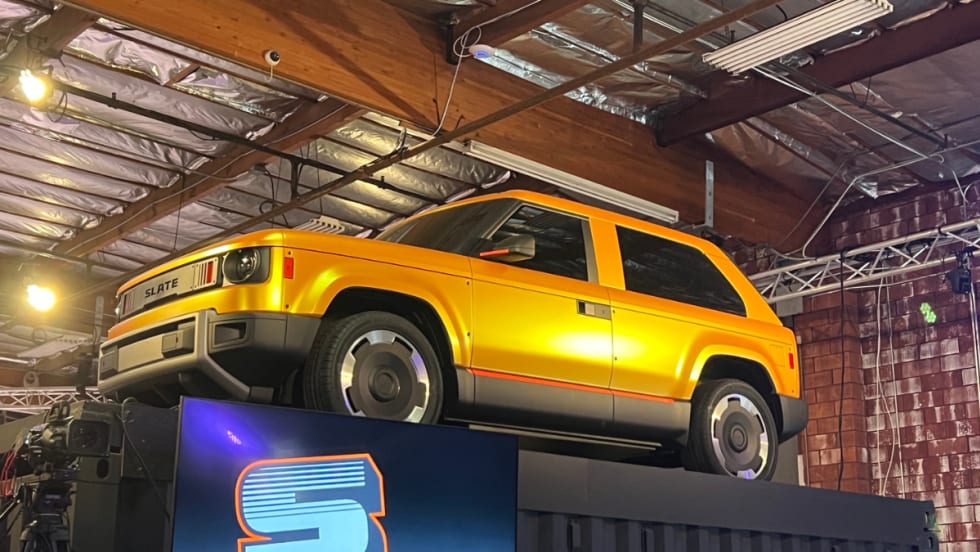
Slate Electric SUV, Pickup Switchable Model Aims For Light-Duty Fleets
Everything about this EV is counterintuitive and understated, making it stand out from the crowd.
Read More →
Inspiration Mobility Acquires Key Electrada Assets
Inspiration Mobility Group has acquired select assets of Electrada, adding the fleet electrification provider's team, technology, and charging infrastructure development capabilities to its energy management business.
Read More →
Turning Connected Vehicle Data Into Decisions That Matter
Fleet leaders have more data than ever, but turning that data into clear, actionable decisions remains a challenge. This white paper shows how leading organizations are using connected vehicle data to improve safety, reduce costs, and optimize fleet performance. Learn how to turn insight into action across your fleet.
Read More →