





Related: GM to Source U.S.-Based Lithium for Next-Gen EV Batteries
OEMs Look to Earth Materials in Electrification Race
While BMW uses VC funding to extract lithium for battery cells, GM partners up with another company to source rare earth materials to manufacture EVs.
October 12, 2021

BMW is investing in environmentally friendly extraction of lithium through its venture capital fund.
Photo courtesy of BMW Group
2 min to read
In early October, two automakers each announced separate strategies to source natural materials in pursuit of a greener fleet future.
As BMW Group plans to release 10 million electric vehicles over the next 10 years, it has formulated a plan to secure one needed raw material to produce much-needed battery cells: lithium.
Meanwhile, General Motors signed a non-binding Memorandum of Understanding (MoU) with GE Renewable Energy to evaluate opportunities to improve supplies of heavy and light rare earth materials and magnets, copper, and electrical steel to make electric vehicles and other renewable energy equipment.
BMW says their process will be environmentally friendly and resource efficient. The work is being funded by its venture capital fund, BMW i Ventures. It uses a process developed by U.S. startup Lilac Solutions, which has patented an ion exchange technology that extracts lithium from brine resources — natural deposits of salt water.
“Innovative technologies provide better, more sustainable and more efficient access to raw materials. By investing in startups, we are speeding up development of new technologies, stimulating competition and providing impetus that will make it easier for young companies to access the market,” said Wolfgang Obermaier, senior vice president indirect goods and services, raw materials, production partners at the BMW Group. “By investing in Lilac Solutions, we are supporting technological progress in the field of lithium extraction, with a focus on responsible and sustainable methods.”
For GM, the focus is to create a North America- and Europe-based magnet manufacturing supply chain produced from rare earth materials, which is needed to make electric motors. The two companies will also work together to establish new supply chains for additional materials, such as copper and eSteel.
As a part of the latter agreement, GM and GE Renewable Energy will also look to gain favor of public policies that support the establishment of secure supply chains for these materials.
"A secure, sustainable and resilient local supply chain for electric vehicle materials is critical to the execution of GM’s vision of an all-electric future," said Shilpan Amin, GM vice president for Global Purchasing and Supply Chain. "Motors are one of the most important components of our Ultium Platform, and the heavy and light rare earth materials are an essential ingredient in our motor magnets. The combined scale of GM and GE will enable us to unlock the potential for securing low-carbon footprint, ESG-friendly, secure and cost competitive materials."
More Green Fleet
Sponsored•October 1, 2026
New Propane Autogas Program Offers Fleet Compensation
Qualified commercial fleets can receive $7,500 per eligible propane autogas vehicle and up to $10,000 for new refueling site prep. Learn how the program works and see whether your fleet qualifies.
Read More →
EV Charging Use Is Outpacing Infrastructure Growth
ChargePoint’s 2026 Charging Forward Report points to rising charger use, higher-powered charging, commercial vehicle electrification, and energy-management technology. Here’s what fleets should know.
Read More →
Merchants Fleet Reports 290M EV Miles as Fleets Navigate Changing Electrification Market
From millions in operating savings to hundreds of millions of EV miles, Merchants Fleet’s latest report reveals what’s working and what’s changing in fleet electrification.
Read More →
The EV Breakdown Nobody's Talking About: Why Most Electric Vehicle Roadside Calls Aren't Mechanical Failures
Here's why EV breakdowns are widely misunderstood.
Read More →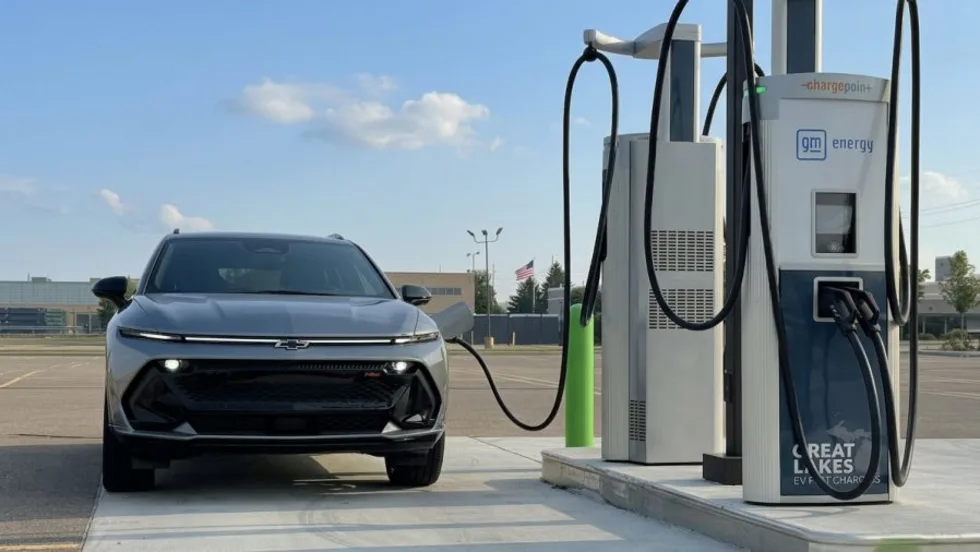
ChargePoint Now Available in Energy Pass
ChargePoint and additional planned charging network integrations were added to GM's Energy Pass.
Read More →
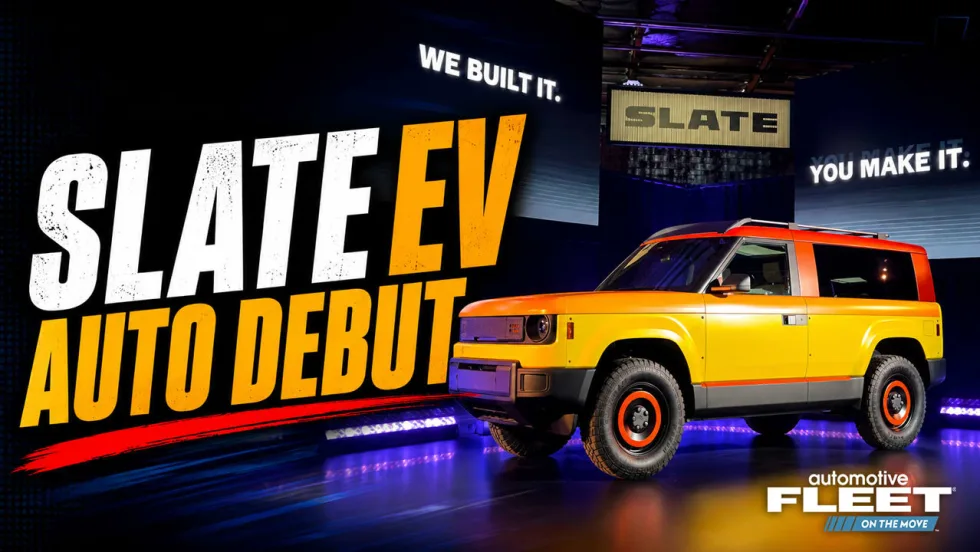
First Look: Slate Auto's Electric Fleet Pickup
Could an affordable, modular EV pickup make electrification more practical for fleets?
Read More →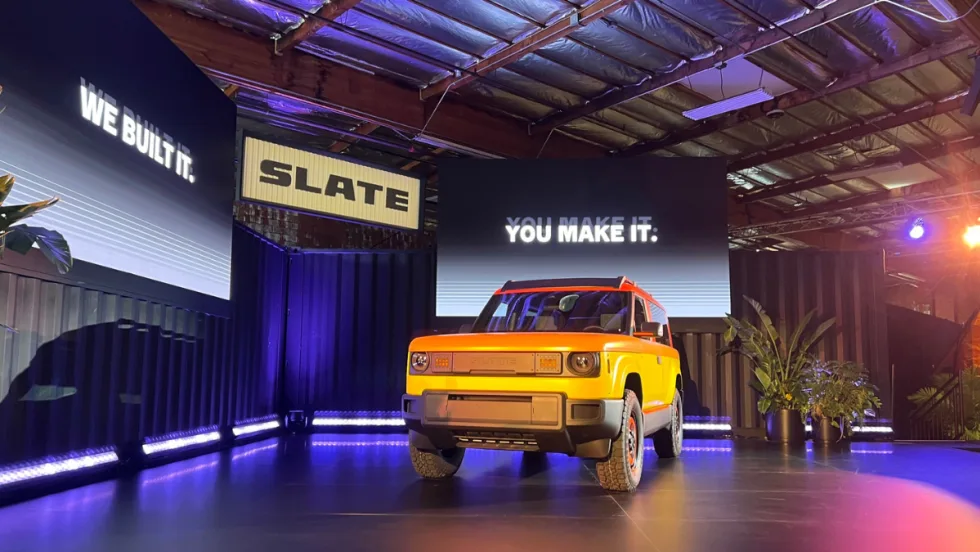
Slate Debuts Colorful, Unique EV Models
A recent media and client event, studded with electric vehicles dressed up on platforms, planted a new position for the manufacturer in the wider EV market. Fleets will find cost-saving advantages.
Read More →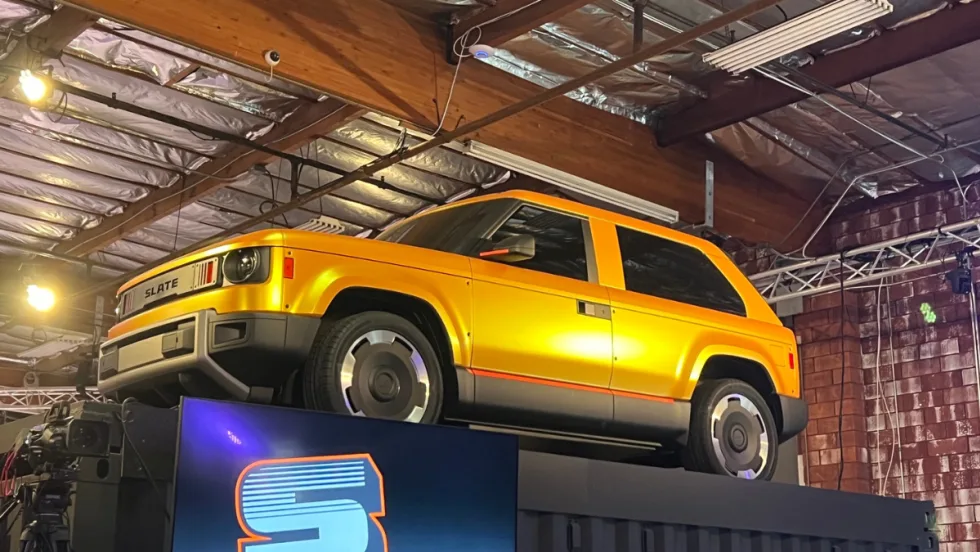
Slate Electric SUV, Pickup Switchable Model Aims For Light-Duty Fleets
Everything about this EV is counterintuitive and understated, making it stand out from the crowd.
Read More →
Inspiration Mobility Acquires Key Electrada Assets
Inspiration Mobility Group has acquired select assets of Electrada, adding the fleet electrification provider's team, technology, and charging infrastructure development capabilities to its energy management business.
Read More →