




Obama Administration Publishes Proposed Fuel Economy Standards
WASHINGTON – The U.S. Environmental Protection Agency (EPA) and Department of Transportation (DOT) on Nov. 16 formally unveiled their joint proposal to set stronger fuel economy and greenhouse gas pollution standards for model-year 2017-2025 passenger cars and light trucks.
WASHINGTON – The U.S. Environmental Protection Agency (EPA) and Department of Transportation (DOT) on Nov. 16 formally unveiled their joint proposal to set stronger fuel economy and greenhouse gas pollution standards for model-year 2017-2025 passenger cars and light trucks.
The proposed CAFE standards are projected to require, on an average industry fleet-wide basis for cars and trucks combined, 40.1 miles per gallon (mpg) in model year 2021, and 49.6 mpg in model-year 2025. (In model-year 2025, the requirement for passenger cars would be 56 mpg, while the requirement for light trucks would be 40.3 mpg.)
EPA’s proposed greenhouse gas standards, designed to complement NHTSA’s corporate average fuel economy (CAFE) standards, are projected to require 163 grams/mile of carbon dioxide (CO2) in model year 2025.
NHTSA is proposing CAFE standards under the Energy Policy and Conservation Act (EPCA), as amended by the Energy Independence and Security Act (EISA), and EPA is proposing national greenhouse gas emissions standards under the Clean Air Act.
Cars, SUVs, minivans and pickup trucks are currently responsible for nearly 60 percent of U.S. transportation-related petroleum use and greenhouse gas emissions, according to the agencies.
"These unprecedented standards are a remarkable leap forward in improving fuel efficiency, strengthening national security by reducing our dependence on oil, and protecting our climate for generations to come,” said U.S. Transportation Secretary Ray LaHood. "We are pleased that we've been able to work with the auto industry, the states, and leaders in the environmental and labor communities to move toward even tougher standards for the second phase of the President's national program to improve fuel economy and reduce pollution."
According to Obama administration officials, the new action builds on the success of the first phase of the national program (2012-2016), which will raise fuel efficiency equivalent to 35.5 mpg by 2016 and result in an average light vehicle tailpipe CO2 level of 250 grams per mile. These standards are already in effect.
By continuing the national program developed for MY 2012-2016 vehicles, EPA and DOT said they have designed a proposal that allows manufacturers to keep producing a single, national fleet of passenger cars and light trucks that satisfies all federal and California standards.
The MY 2017-2025 proposal includes a number of incentive programs to encourage early adoption and introduction of advanced technologies, such as hybridization for pickup trucks.
The newly released proposal follows an announcement in July that the Obama Administration and 13 major automakers have agreed to build on the first phase of the national vehicle program. EPA and DOT said they worked closely with a broad range of stakeholders to develop the proposal — including manufacturers, the United Auto Workers, the state of California, and consumer and environmental groups.
"This proposal continues the approach of establishing a single, national fuel economy program for fuel economy and greenhouse gas emissions, which is the right overall direction,” said Mitch Bainwol, president and CEO of the Alliance of Automobile Manufacturers, in response to the proposal. “The proposed regulations present aggressive targets, and the Administration must consider that technology breakthroughs will be required and consumers will need to buy our most energy-efficient technologies in very large numbers to meet the goals. During the comment period, we hope the Obama Administration is open to continuing discussions on technology-neutral, real-world fuel economy gains.”
There will be an opportunity for the public to comment on the proposal for 60 days after it is published in the Federal Register. In addition, DOT and EPA plan to hold several public hearings around the country to allow further public input. California plans to issue its proposal for model-year 2017-2025 vehicle greenhouse gas standards on Dec. 7 and will finalize its standards in January.
To view NHTSA and EPA's Notice of Proposed Rulemaking, click here.
For more information, click here.
More Green Fleet
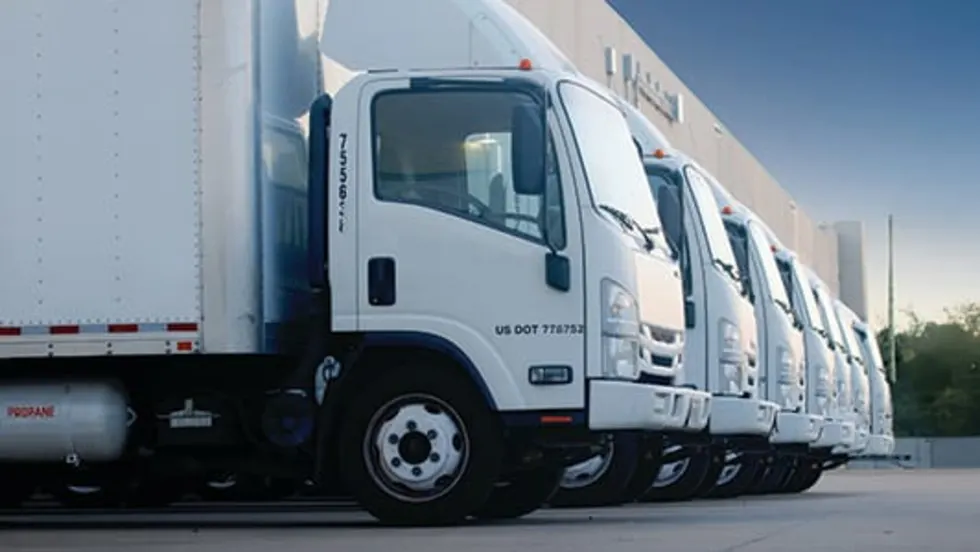
New Propane Autogas Program Offers Fleet Compensation
Qualified commercial fleets can receive $7,500 per eligible propane autogas vehicle and up to $10,000 for new refueling site prep. Learn how the program works and see whether your fleet qualifies.
Read More →
EV Charging Use Is Outpacing Infrastructure Growth
ChargePoint’s 2026 Charging Forward Report points to rising charger use, higher-powered charging, commercial vehicle electrification, and energy-management technology. Here’s what fleets should know.
Read More →
Merchants Fleet Reports 290M EV Miles as Fleets Navigate Changing Electrification Market
From millions in operating savings to hundreds of millions of EV miles, Merchants Fleet’s latest report reveals what’s working and what’s changing in fleet electrification.
Read More →
The EV Breakdown Nobody's Talking About: Why Most Electric Vehicle Roadside Calls Aren't Mechanical Failures
Here's why EV breakdowns are widely misunderstood.
Read More →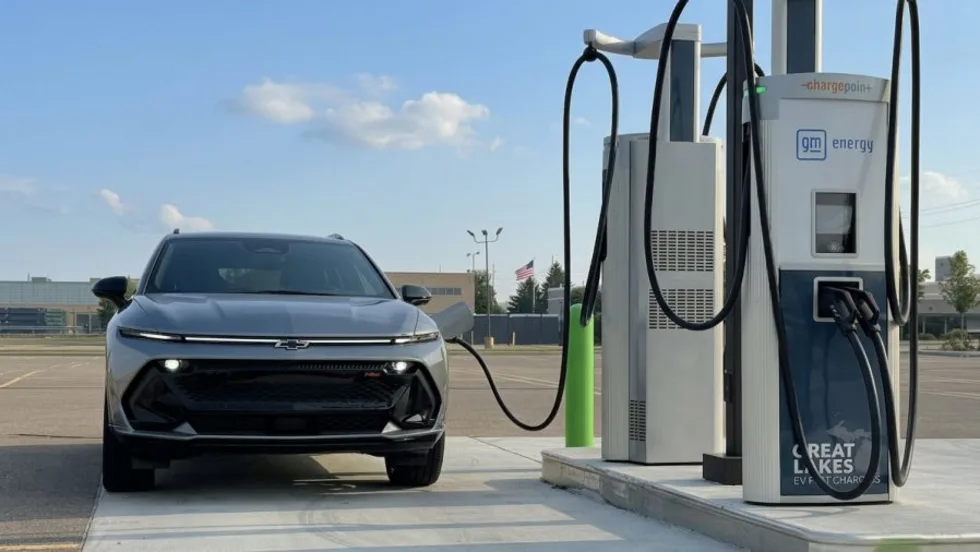
ChargePoint Now Available in Energy Pass
ChargePoint and additional planned charging network integrations were added to GM's Energy Pass.
Read More →

First Look: Slate Auto's Electric Fleet Pickup
Could an affordable, modular EV pickup make electrification more practical for fleets?
Read More →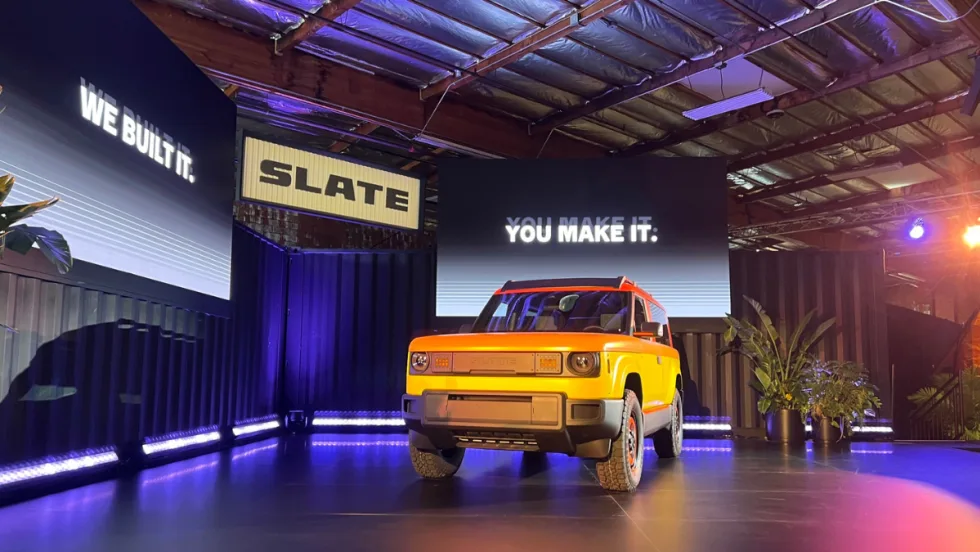
Slate Debuts Colorful, Unique EV Models
A recent media and client event, studded with electric vehicles dressed up on platforms, planted a new position for the manufacturer in the wider EV market. Fleets will find cost-saving advantages.
Read More →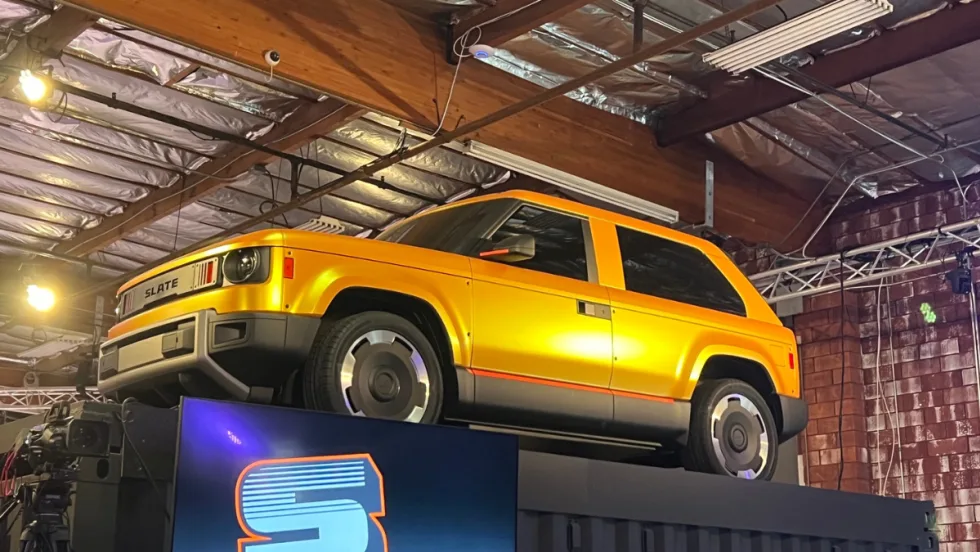
Slate Electric SUV, Pickup Switchable Model Aims For Light-Duty Fleets
Everything about this EV is counterintuitive and understated, making it stand out from the crowd.
Read More →
Inspiration Mobility Acquires Key Electrada Assets
Inspiration Mobility Group has acquired select assets of Electrada, adding the fleet electrification provider's team, technology, and charging infrastructure development capabilities to its energy management business.
Read More →