





Related: New York-to-Canada Toll Bridge Upgrades Payment Platform
NYC's New Congestion Toll: Impact to Fleets?
Commercial vehicles entering the congestion relief zone in Manhattan would pay from $15 to $36 per entry. How could this change fleet routing and logistics?
March 29, 2024
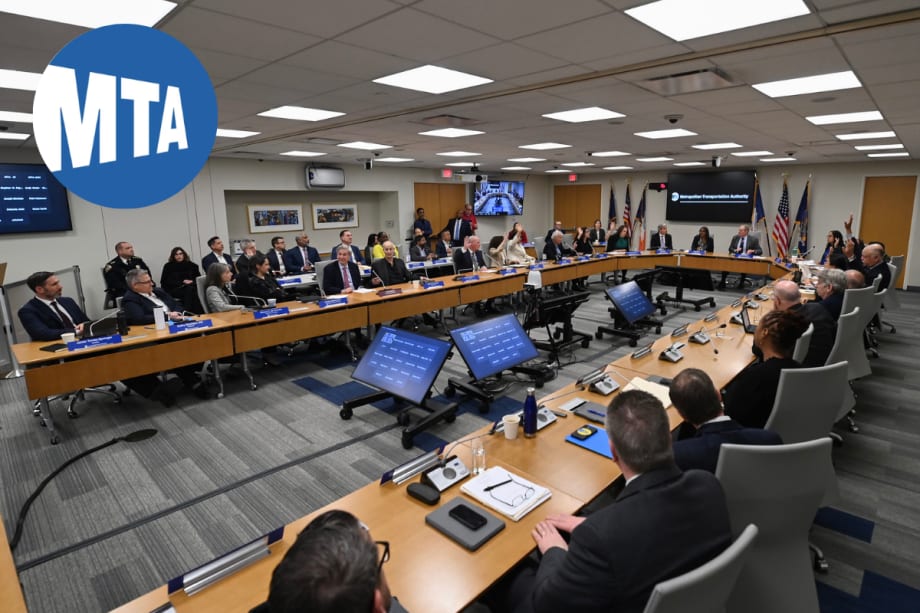
The New York City MTA Board voted 11 to 1 in favor of adopting toll fees for the Central Business District. The goal is to reduce traffic, while decreasing air pollution and improving the reliability, accessibility, and convenience of public transit.
Photo: NYC MTA
4 min to read
Commercial fleets operating in New York City's Central Business District (CBD) will need to put more money in their budgets toward tolls.
The New York City Metropolitan Transportation Authority (MTA) Board, in its capacity as the board of the Triborough Bridge and Tunnel Authority, has approved New York City’s CBD toll rates by a vote of 11 to 1, according to a press release.
The Central Business District Tolling Program will reduce traffic, while decreasing air pollution and improving the reliability, accessibility, and convenience of public transit for people across this region, according to a letter from the Traffic Mobility Review Board.
How Toll Rates Will Affect Commercial Drivers
To enter the congestion relief zone in Manhattan below 60th Street, passenger vehicles and small commercial vehicles (sedans, SUVs, pick-up trucks, and small vans) paying with a valid E-ZPass will be charged a toll of $15 during the day and $3.75 at night – when there is less congestion.
The vehicles will be charged no more than once a day, and the tolls will be charged only as the vehicles enter the CBD.
During the day, trucks and some buses will be charged a toll of $24 or $36 to enter the congestion relief zone in Manhattan, depending on their size and function, and will be charged a toll of $6 or $9 at night.
The toll for motorcycles will be $7.50 during the day and $1.75 at night. Yellow taxi, green cab, and black car passengers will pay a $1.25 toll for every trip to, from, within, or through the zone; customers of app-based for-hire vehicles will pay $2.50.
Qualifying authorized emergency vehicles and qualifying vehicles carrying people with disabilities will be exempt. School buses contracted with the NYC Department of Education, buses providing scheduled commuter services open to the public, commuter vans licensed with the NYC Taxi and Limousine Commission, and specialized government vehicles will also be exempt.
Additionally, a 50% discount will be available for low-income vehicle owners as well as a tax credit for low-income residents of the Central Business District.
The standard daytime toll rate will apply from 5am to 9pm on weekdays and from 9am to 9pm on weekends.
“Today’s vote is one of the most significant the Board has ever undertaken, and the MTA is ready,” said Janno Lieber, CEO and chair of the MTA. “In advance of day one of tolling, we’ve increased service on 12 subway lines, advanced redesigns of the entire NYC bus network, and implemented the largest service increase in LIRR history. And there’s more to come with the funds raised from congestion pricing – more accessible stations, modernized subway signals, and new expansion projects like Phase 2 of the Second Avenue Subway and Metro-North Penn Station Access.”
New York is the first in the nation to launch a Congestion Pricing Program that will reduce traffic in the most congested areas and improve regional air quality, without significant negative impacts on the environment, according to a report by the MTA. More than 900,000 people in vehicles enter the Manhattan Central Business District every day.
The new tolling structure still faces legal challenges, including one filed by the State of New Jersey, which will conduct oral arguments starting on April 3.
Fleet Impact Perspective
Trent Broberg, CEO of Acertus, an automotive logistics platform, provides perspective on how the new tolls will impact fleets.
“From a fleet perspective, we could see an impact on efficiency gains,” Broberg said. “Service fleets may attempt to streamline the number of times a vehicle enters the city, as these costs could be quite extensive if their sales reps travel into the city daily and do not currently maximize their routes.”
"As I understand it, these fees occur every time a vehicle enters a zone. So if your cadence today is you enter, exit, and reenter, those costs will add up quickly.”
However, fleets such as food and product delivery may not be able to realize efficiency gains and, at worst, pass this cost of doing business onto the consumer, he said.
Public transportation may be utilized more effectively, as the rate to use rideshare or taxi is lower. Some may park outside of the city limits and utilize rideshare to minimize the costs in and out, Broberg said.
“On the downside, organizations (fleet and the like) may limit the amount of business they do in the city,” he said. “These fees could lead them to reevaluate if they have to do business in person, or if virtual visits and calls are more in line with costs the company already bears.”
More Operations

Avis Budget Group Deploys Neology Toll Management Technology Across Major Brands
Neology’s neoFleet platform will manage toll transactions and toll-authority operations for vehicles across Avis, Budget, Payless, Budget Truck and Zipcar.
Read More →
Fleet Personal-Use Charges Edge Higher in 2026
Nearly eight in 10 surveyed fleets allow personal use of company vehicles, while just over half of respondents report charging employees for the privilege.
Read More →
The Future of Fleet + What’s Changing Right Now | AF News Recap
Could developments overseas offer a preview of what’s coming for U.S. fleets? This week, we’re looking at the future of AI, autonomy, and electrification, plus Ford Pro’s new certified pre-owned program, smarter vehicle offboarding, and a new way for fleets to manage toll expenses.
Read More →
How to Handle Vehicle Offboarding
What do fleet managers need to do when a driver leaves?
Read More →
Sponsored•October 1, 2026
Fleet Manager’s Ultimate Playbook: Navigating the New Standard in OEM Connectivity
Rising operating costs, driver safety concerns, and unplanned downtime are putting unprecedented pressure on modern fleets. Discover how fleet managers use embedded OEM connectivity and real-time vehicle data to cut TCO, prevent downtime, and protect drivers without aftermarket telematics hardware.
Read More →
U.S. Bank Adds Verra Mobility Toll Management to Voyager Fleet Platform
The integration allows U.S. Bank Voyager fleet customers to manage toll payments and violations alongside fuel, EV charging and maintenance expenses.
Read More →
ADAS Prevents Crashes. But Repairs Cost More | AF News Recap
ADAS-equipped vehicles may crash less often, but they can cost more when they do. This week, we’re breaking down what that tradeoff means for fleets, plus Subaru’s first Forester Wilderness Hybrid, Nissan’s new e-POWER Rogue, and why Calstart has become Catalyst Mobility.
Read More →
Moventum Fleet Management Names Mark Iorillo Head of Sales
Iorillo brings nearly 20 years of fleet management and sales experience to the role, including previous positions at Element Fleet Management, CEI, Donlen and Ryder.
Read More →
Fleet Has a Talent Pipeline Problem. What Comes Next? | AF News Recap
Where will fleet’s next generation of leaders come from? This week, we’re looking at the industry’s talent pipeline, what certification can add to a fleet career, how to build an award-worthy track record, and the return of Automotive Fleet’s Personal Use Survey.
Read More →
Smith System Launches Driver Risk Management Program
Fleets have more driver data than ever, but identifying risky behavior doesn't necessarily correct it. Smith System's new Driver Risk Management program combines monitoring, training, and follow-up coaching to help fleets connect risk signals with driver intervention.
Read More →