




NYC Surveys Truck Fleets About Safety Practices
New York City has singled out food delivery service Fresh Direct and private utility Con Edison as standout fleets that have implemented numerous safer-driving practices.

Photo via DiGo Brands.

New York City has singled out food delivery service Fresh Direct and private utility Con Edison as standout fleets that have implemented numerous safer-driving practices.
The city's Department of Citywide Administrative Services (DCAS) surveyed more than 100 commercial fleets operating in January to assess their safety management protocols. The fleets were recognized at a workshop at the Vision Zero Cities conference from March 9-11. Vision Zero is the city's plan to end traffic deaths and injuries on city streets.
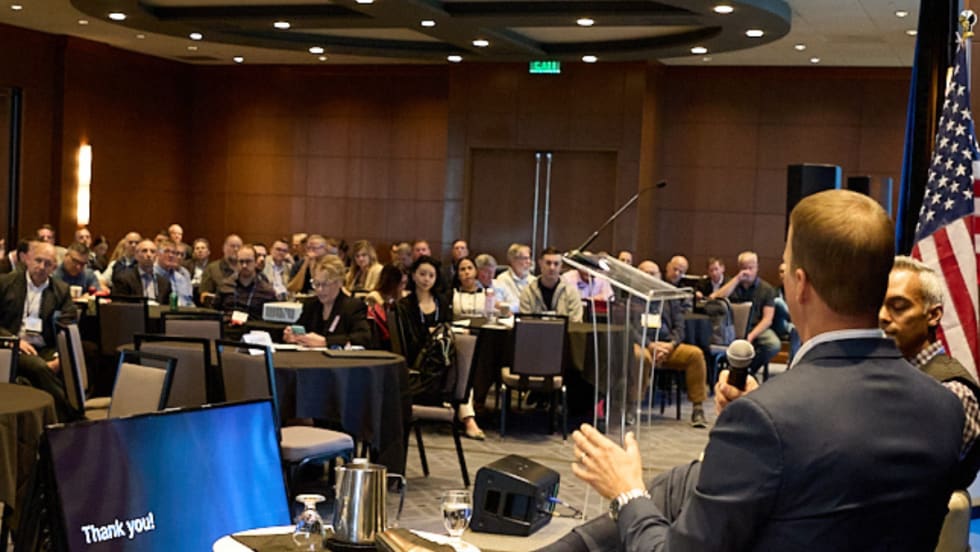
The workshop was hosted by Keith Kerman, Chief Fleet Officer for the NYC Department of Citywide Administrative Services and included panelists Bill Capune, Con Edison's safety manager, and Mike Derrig, Fresh Direct's director of fleet operations.
Transportation Alternatives, an activist group that promotes bicycling, walking, and public transit, is participating in the Vision Zero plan, and has said it will also begin recognizing safe fleets.
Fresh Direct has adopted driver monitoring systems and installed pedestrian side-guards on new trucks. The fleet uses safety technology such as pedestrian and blind-spot sensor systems, GPS tracking, and is evaluating the DriveCam video-based system.
Fresh Direct drivers must undergo space and visibility training with a concentration on pedestrian and dense city driving hazards.
"It is common practice that if a driver receives low performance scores based on performance telematics data, that driver loses driving privileges," said Paul Steely White, executive director of Transportation Alternatives. "We're interested in learning more about how Fresh Direct uses data generated by these driver telematics systems to regulate or alter the behavior of its drivers, and in certain situations, make sure they're not on the road.
Con Edison, an investor-owned energy utility, has also implemented rigorous training programs, including using driver simulators, peer-to-peer driver coaching, and sharing lessons learned from fleet drivers and crash data.
As part of the survey, the city found that more than three-quarters of respondents require incumbent drivers to complete training programs. The fleets address the risk of blind-spot crashes by implementing specific training around that topic (88%) or using technology (67%) and vehicle design modifications (56%).
The fleets are implementing other safety strategies such as mirror alignment stations at driver facilities, pedestrian side-guards, back-up cameras, and utilizing crash mapping research to inform drivers of safe routes.
More Safety

How Camera Data Can Strengthen a Fleet’s Insurance Renewal
Insights from a commercial insurance carrier and a broker show how fleets can turn video telematic data, driver coaching, and improved claims results into a stronger case at insurance renewal.
Read More →
The Safest Fleets Aren’t the Ones with the Most Technology
You’ve made the telematics investment. Here’s how to capture the other half of its value and build the safest fleet on the road.
Read More →
Hidden in Plain Sight: Fleet Compliance Risks
Fleet compliance isn't just about having policies — it's about consistently enforcing them. This practical guide reveals six hidden compliance risks common in public sector and shared fleet operations and outlines proven strategies to improve visibility, accountability, and audit readiness
Read More →
NETS Sets 2026 Fleet Safety Benchmark Conference for Indianapolis
The Sept. 15–17 program will feature fleet benchmarking data, case studies, emerging technologies, and implementation strategies while running alongside the NSC Safety Congress & Expo.
Read More →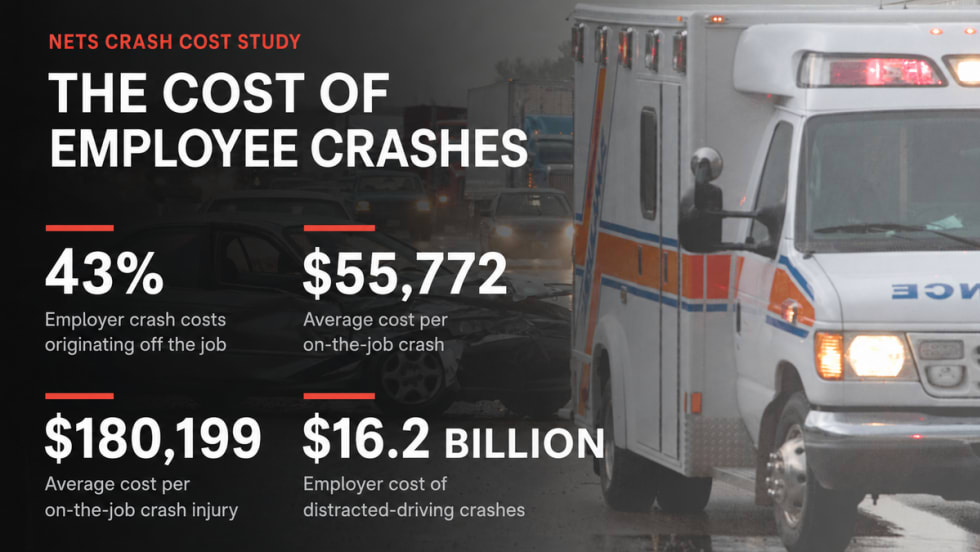
Off-the-Job Crashes Account for 43% of Employers’ $61.7 Billion Crash Burden
NETS quantifies costs dispersed across fleet, risk, HR, and other departments while providing new per-crash benchmarks for employers.
Read More →
Ram Recalls More Than 1.27 Million 1500 Pickups for Seat Belt Anchor Issue
The recall affects certain 2019-2026 Ram 1500 pickups that may have improperly attached second-row seat belt buckle anchors.
Read More →
How Better Visibility Cut Speeding Violations by 48%
Fleet leaders don't need more data, they need clearer visibility into what the data is saying. This case study explores how one utility replaced speeding-event counts with a single metric — miles driven in violation — to strengthen safety and significantly reduce speeding violations.
Read More →
Operation Safe Driver Week: Why the Industry's Oldest Safety Campaign Still Matters to Fleets
A look at how a 2007 enforcement initiative became one of the most consequential weeks on the fleet safety calendar, and what it means for your drivers in 2026.
Read More →
Nexar-Nauto Merger Aims to Give Fleets Better Safety Intelligence Through Larger Driving Dataset
Stefan Heck tells Automotive Fleet that combining more than 10 billion miles of driving history with Nexar's AI models will give fleets deeper insights into driver risk and roadway conditions than either company could provide independently.
Read More →
From Silos to Solutions: Relationship Management for Safer Fleets
From telematics adoption and driver accountability to policy consistency and risk mitigation, this episode breaks down what it really takes to build a safer fleet culture without slowing business down.
Read More →