




North Carolina Sheriff to Save More Than $13K Annually with Propane Fleet
The Buncombe County, N.C., Sheriff’s Office recently converted 10 Ford Crown Victoria models to propane autogas. The fleet expects to displace 20 tons of greenhouse gas emissions each year and save more than $13,000 annually on fuel cost savings.
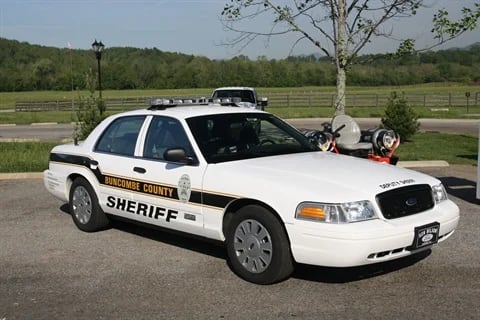
The County began switching vehicles to propane autogas in August 2011 and completed the conversions in February 2012.
The Buncombe County, N.C., Sheriff’s Office recently converted 10 Ford Crown Victoria models to propane autogas under the Southeast Propane Autogas Development Program (SPADP). The law enforcement fleet expects to displace 20 tons of greenhouse gas emissions each year and save more than $13,000 annually on fuel cost savings.
"We were looking at two main things when it came to switching to alternative fuel vehicles,” said Buncombe County Sheriff Van Duncan. “We wanted to boost our bottom line in terms of fuel cost savings, and also to have cleaner-burning cars on the road. Propane autogas was the practical fuel choice because, not only does it support these goals, there also isn’t a noticeable difference in vehicle performance when converting these Crown Victorias from gasoline to propane autogas.”
The County received grant funding under the Program, which is administered by Virginia Clean Cities, for 10 vehicle conversions and the installation of a 1,000-gallon propane autogas fuel tank. The County began switching vehicles to propane autogas in August 2011 and completed the conversions in February 2012. The sheriff’s patrol cars travel an average of almost 25,000 miles each year, and the fleet is using than 17,000 gallons of propane autogas annually. Fleets such as Buncombe County can also take advantage of more fuel savings with the recent extension of the 50-cents-per-gallon federal tax credit for alternative fuel.
According to Sheriff Duncan, the only noticeable change in performance is that the “motor runs a little quieter.” The vehicles were outfitted with versatile bi-fuel Prins VSI autogas system, which allows drivers to switch to gasoline in case the autogas tank runs low out of fuel station range. The fleet can also switch the autogas systems from older vehicles to newer ones with similar engines, without skipping a beat — an added benefit for law enforcement fleets that put a lot of wear-and-tear on their patrol vehicles.
“The ability to switch back to gasoline is a tremendous option for law enforcement fleets,” said Sheriff Duncan. “It’s just one button on the center of the dash and you’re back to running on gasoline. That provides our deputies with peace of mind—to know that in an emergency situation, you not only have a full tank of propane but also a backup full tank of gas, giving you an effective operating range of about 500-600 miles before you have to refill the car.”
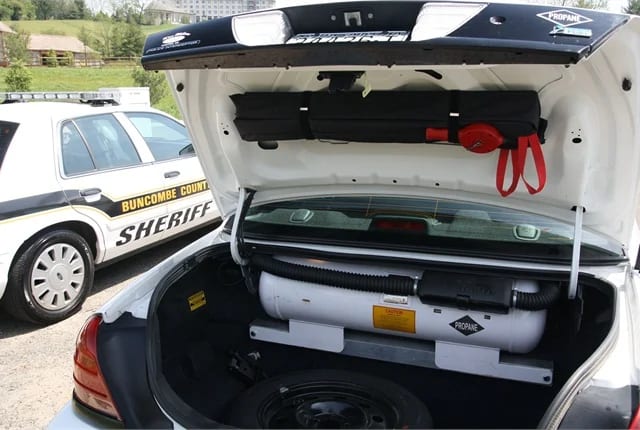
The County received grant funding under the Program, which is administered by Virginia Clean Cities, for 10 vehicle conversions and the installation of a 1,000-gallon propane autogas fuel tank.
The sheriff’s office has been so pleased with the performance of the propane autogas-powered Crown Victorias, it’s currently looking into obtaining funding for an additional 10 propane autogas vehicle conversions. For his part, Sheriff Duncan is volunteering his vehicle for the next propane autogas conversion. “We’re going to push forward in upgrading our fleet, and I want to do mine next,” he said. “Nothing says you believe in it like taking it on.”
Related content:
Lee County Sheriff Converts 10 Crown Vics to Propane Autogas
Spotsylvania County Converts Police Cruisers and School District Trucks to Propane Autogas
Newport News Expects $22K Fuel Savings from Propane Autogas Conversions
City of Marinette Estimates $5K Fuel Savings with Propane-Autogas Police Cruiser
More Green Fleet
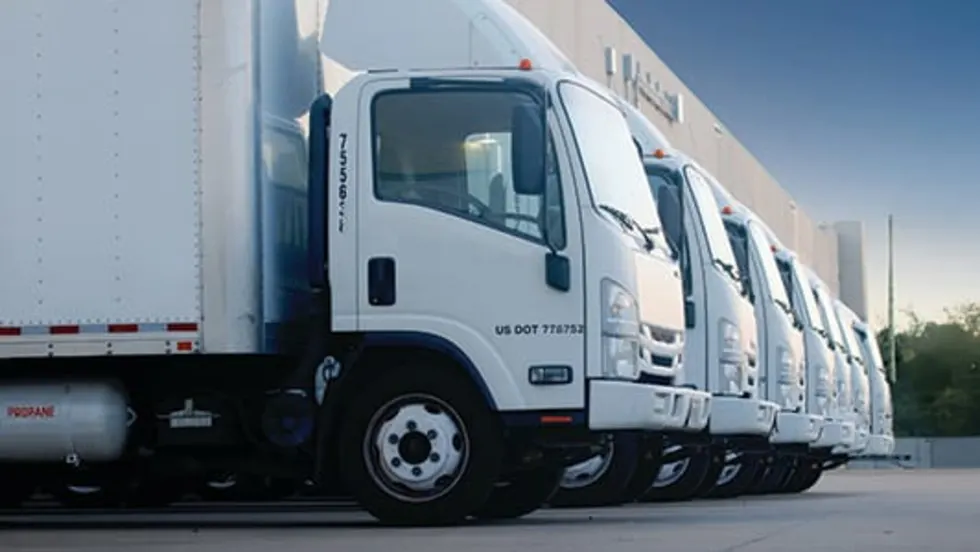
New Propane Autogas Program Offers Fleet Compensation
Qualified commercial fleets can receive $7,500 per eligible propane autogas vehicle and up to $10,000 for new refueling site prep. Learn how the program works and see whether your fleet qualifies.
Read More →
EV Charging Use Is Outpacing Infrastructure Growth
ChargePoint’s 2026 Charging Forward Report points to rising charger use, higher-powered charging, commercial vehicle electrification, and energy-management technology. Here’s what fleets should know.
Read More →
Merchants Fleet Reports 290M EV Miles as Fleets Navigate Changing Electrification Market
From millions in operating savings to hundreds of millions of EV miles, Merchants Fleet’s latest report reveals what’s working and what’s changing in fleet electrification.
Read More →
The EV Breakdown Nobody's Talking About: Why Most Electric Vehicle Roadside Calls Aren't Mechanical Failures
Here's why EV breakdowns are widely misunderstood.
Read More →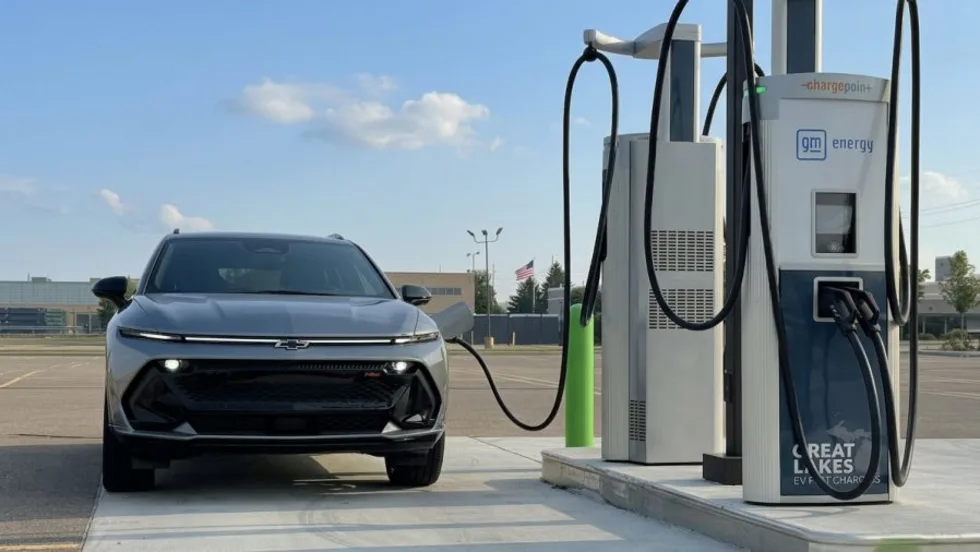
ChargePoint Now Available in Energy Pass
ChargePoint and additional planned charging network integrations were added to GM's Energy Pass.
Read More →

First Look: Slate Auto's Electric Fleet Pickup
Could an affordable, modular EV pickup make electrification more practical for fleets?
Read More →
Slate Debuts Colorful, Unique EV Models
A recent media and client event, studded with electric vehicles dressed up on platforms, planted a new position for the manufacturer in the wider EV market. Fleets will find cost-saving advantages.
Read More →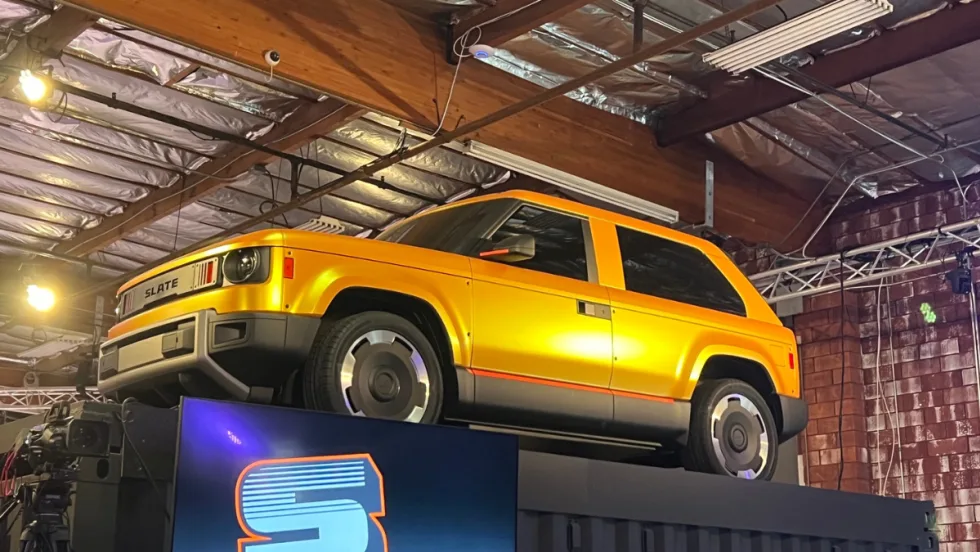
Slate Electric SUV, Pickup Switchable Model Aims For Light-Duty Fleets
Everything about this EV is counterintuitive and understated, making it stand out from the crowd.
Read More →
Inspiration Mobility Acquires Key Electrada Assets
Inspiration Mobility Group has acquired select assets of Electrada, adding the fleet electrification provider's team, technology, and charging infrastructure development capabilities to its energy management business.
Read More →