




Nissan Unveils EV Sports Car Prototype
Nissan Motor Co., Ltd. unveiled the prototype of the Nissan BladeGlider, a zero-emissions futuristic sports car.
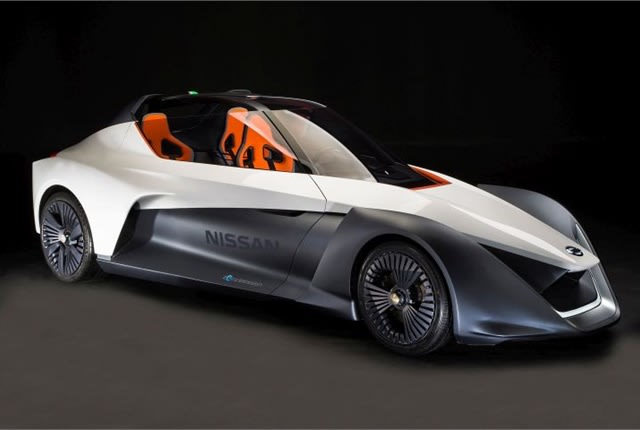
Photo courtesy of Nissan Motor Co., Ltd.
Nissan Motor Co., Ltd. has developed the Nissan BladeGlider prototype, a zero-emissions futuristic sports car that's powered by a five module lithium-ion 220 kW battery. Maximum speed of the demonstration models is in excess of 115 mph, with 62 mph taking less than five seconds. The rear wheels' drive is provided by two 130kW electric motors – one for each wheel, according to the automaker.
Output for the BladeGlider is rated at 268 hp and 521 lb.-ft. of torque.
The Bladeglider is part of Nissan's on-going commitment to the development of zero-emission vehicles and new automotive technologies including autonomous drive systems and connectivity, according to the automaker.
The system features torque vectoring, which automatically sends more torque to the outside wheel to restore the handling balance if the car starts to understeer.
"These prototypes epitomize Nissan's drive to expand its Intelligent Mobility philosophy, where driving pleasure combines with environmental responsibility. Nissan believes that enthusiasts should look forward to a zero emission future and Nissan BladeGlider is a perfect demonstration of that. It's the electric vehicle for car lovers," said Carlos Ghosn, president and CEO, Nissan Motor Co., Ltd.
The Nissan Bladeglider was developed to create an EV that would provide near-silent electric powertrain and aerodynamic shape. The demonstration models feature an advanced chassis configuration with a narrow front track and wider rear track.
Wheel-mounted controls for Nissan BladeGlider's systems feed into an advanced display showing speed, state of battery charge, regeneration mode, and torque map. Flanking the central display are two screens, with the images of rear-view cameras mounted just behind the front wheels; an alternative to door-mounted mirrors.
The vehicle was developed from concept cars first shown at the Tokyo Auto Show in 2013.
More Green Fleet

Merchants Fleet Reports 290M EV Miles as Fleets Navigate Changing Electrification Market
From millions in operating savings to hundreds of millions of EV miles, Merchants Fleet’s latest report reveals what’s working and what’s changing in fleet electrification.
Read More →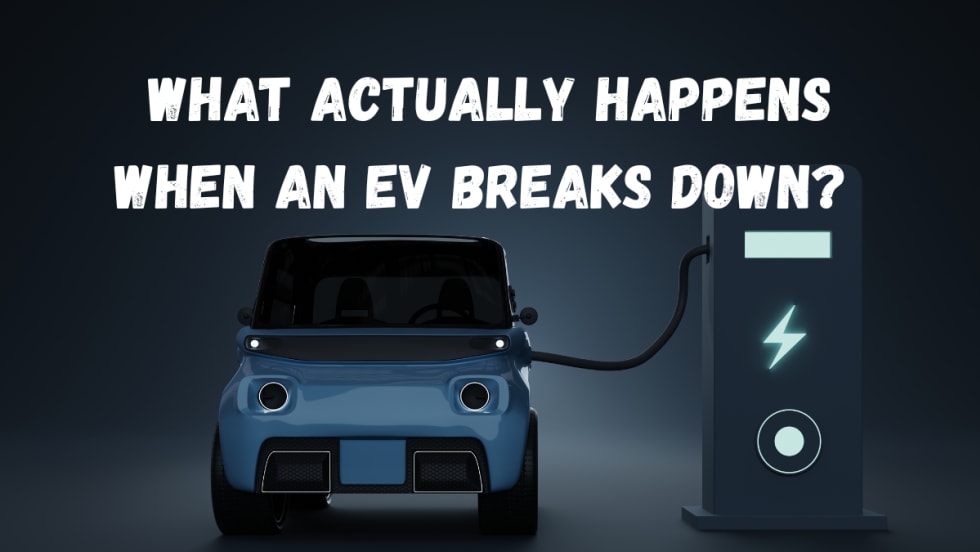
The EV Breakdown Nobody's Talking About: Why Most Electric Vehicle Roadside Calls Aren't Mechanical Failures
Here's why EV breakdowns are widely misunderstood.
Read More →
ChargePoint Now Available in Energy Pass
ChargePoint and additional planned charging network integrations were added to GM's Energy Pass.
Read More →

First Look: Slate Auto's Electric Fleet Pickup
Could an affordable, modular EV pickup make electrification more practical for fleets?
Read More →
Slate Debuts Colorful, Unique EV Models
A recent media and client event, studded with electric vehicles dressed up on platforms, planted a new position for the manufacturer in the wider EV market. Fleets will find cost-saving advantages.
Read More →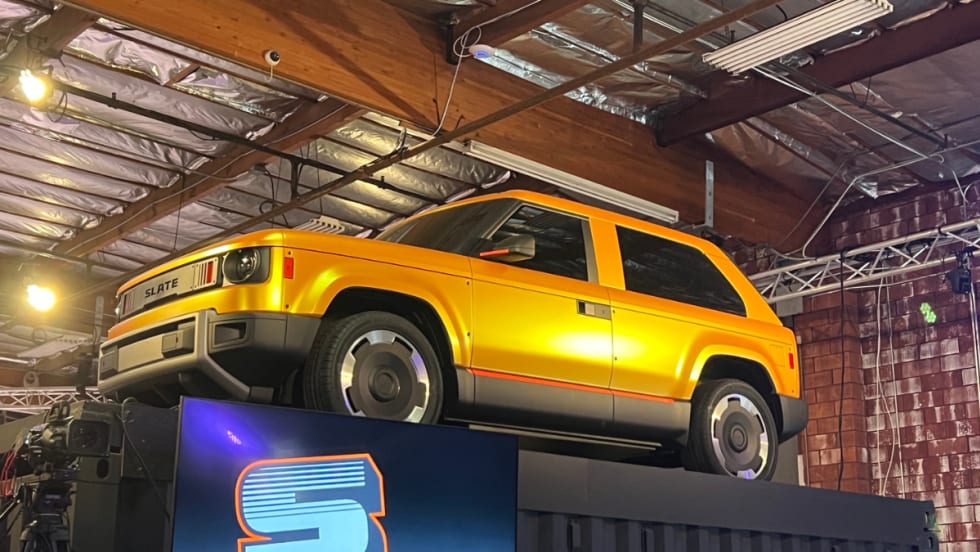
Slate Electric SUV, Pickup Switchable Model Aims For Light-Duty Fleets
Everything about this EV is counterintuitive and understated, making it stand out from the crowd.
Read More →
Inspiration Mobility Acquires Key Electrada Assets
Inspiration Mobility Group has acquired select assets of Electrada, adding the fleet electrification provider's team, technology, and charging infrastructure development capabilities to its energy management business.
Read More →
Turning Connected Vehicle Data Into Decisions That Matter
Fleet leaders have more data than ever, but turning that data into clear, actionable decisions remains a challenge. This white paper shows how leading organizations are using connected vehicle data to improve safety, reduce costs, and optimize fleet performance. Learn how to turn insight into action across your fleet.
Read More →
Are You Tracking Your Fleet's True Total Cost of Ownership?
Bobit Business Media surveyed 190 fleet professionals and found that while most fleets are tracking costs, fragmented systems and data gaps are keeping true TCO visibility out of reach. With rising pressure to control spend in an increasingly volatile environment, the gap between what fleets think they know and what the data actually shows is wider than you might expect. See how your peers are managing costs today and where the industry still has room to improve.
Read More →