




Nissan Shows Autonomous EV Concept in Detroit
Nissan's IDS Concept, an autonomous and zero emission series of EVs that features two different modes of driving, made its first U.S. appearance at the 2016 North American International Auto Show.
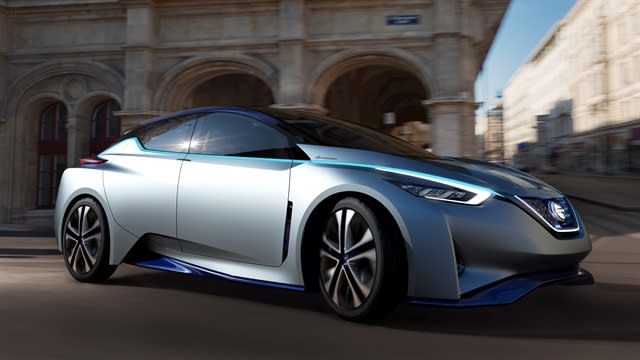
Photo courtesy of Nissan.
Nissan's IDS Concept, an autonomous and zero emission series of EVs that features two different modes of driving, made its first U.S. appearance at the 2016 North American International Auto Show in Detroit.
The first mode, Manual Drive, allows the driver to be in control; however, the vehicle will provide assistance. In the event of imminent danger, the vehicle will help the driver take evasive action. The vehicle will reportedly be able to adapt to various traffic conditions and the driver's schedule and personal interests.
The company stated that even when the driver selects Piloted Drive, the second mode, and turns over driving to the vehicle, the car's performance — from accelerating to braking to cornering — imitates the driver's own style and preferences.
The model will feature two different types of interiors depending on whether the driver opts for Piloted Drive or Manual Drive.
In Piloted Drive mode, the steering wheel recedes into the center of the instrument panel and a large flat screen emerges. Various driving-related operations are handled by AI, voice, and gestures from the driver. All four seats rotate slightly inward, facilitating easier conversation.
When the driver selects Manual Drive, the interior transforms. All seats face forward. The steering wheel appears along with driving meters and a heads-up display that shows route and other driving information. Nissan's use of hollow-structure A-pillars helps ensure visibility by reducing blind spots.
The vehicle is fitted with a high-capacity 60 kWh battery, and its aerodynamics, low stance, and reduced weight are expected to increase the distance one will be able to travel on a single charge. Other technologies on the Nissan IDS Concept include Piloted Park that can be operated by smartphone or tablet, and wireless charging technologies.
More Green Fleet

EV Charging Use Is Outpacing Infrastructure Growth
ChargePoint’s 2026 Charging Forward Report points to rising charger use, higher-powered charging, commercial vehicle electrification, and energy-management technology. Here’s what fleets should know.
Read More →
Merchants Fleet Reports 290M EV Miles as Fleets Navigate Changing Electrification Market
From millions in operating savings to hundreds of millions of EV miles, Merchants Fleet’s latest report reveals what’s working and what’s changing in fleet electrification.
Read More →
The EV Breakdown Nobody's Talking About: Why Most Electric Vehicle Roadside Calls Aren't Mechanical Failures
Here's why EV breakdowns are widely misunderstood.
Read More →
ChargePoint Now Available in Energy Pass
ChargePoint and additional planned charging network integrations were added to GM's Energy Pass.
Read More →
First Look: Slate Auto's Electric Fleet Pickup
Could an affordable, modular EV pickup make electrification more practical for fleets?
Read More →
Slate Debuts Colorful, Unique EV Models
A recent media and client event, studded with electric vehicles dressed up on platforms, planted a new position for the manufacturer in the wider EV market. Fleets will find cost-saving advantages.
Read More →
Slate Electric SUV, Pickup Switchable Model Aims For Light-Duty Fleets
Everything about this EV is counterintuitive and understated, making it stand out from the crowd.
Read More →
Inspiration Mobility Acquires Key Electrada Assets
Inspiration Mobility Group has acquired select assets of Electrada, adding the fleet electrification provider's team, technology, and charging infrastructure development capabilities to its energy management business.
Read More →
Turning Connected Vehicle Data Into Decisions That Matter
Fleet leaders have more data than ever, but turning that data into clear, actionable decisions remains a challenge. This white paper shows how leading organizations are using connected vehicle data to improve safety, reduce costs, and optimize fleet performance. Learn how to turn insight into action across your fleet.
Read More →