




Nissan Says All-New 2013 Sentra to Get 34 MPG Combined
DALLAS – Nissan has overhauled its Sentra compact sedan inside and out for the 2013 model-year, including a new powertrain that boosts mpg to 34 combined.
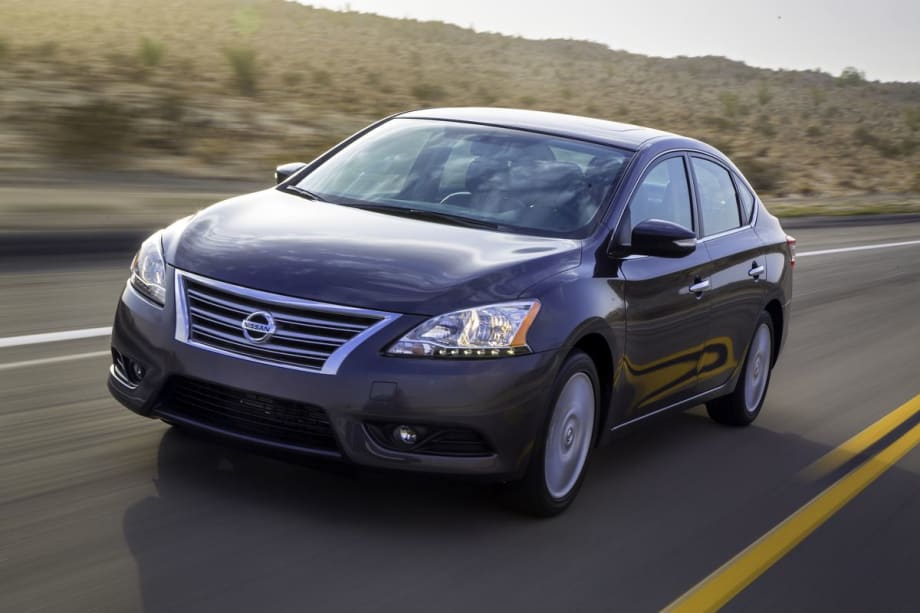
The 2013-MY Nissan Sentra features the automaker's new grille and a restyled exterior.
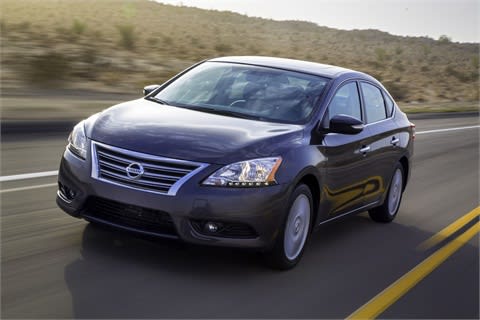
The 2013-MY Nissan Sentra features the automaker's new grille and a restyled exterior.
DALLAS – Nissan has overhauled its Sentra compact sedan inside and out for the 2013 model-year. The automaker dropped 150 lbs. from the new vehicle and added a new powertrain, boosting mpg for the sedan to an EPA-estimated 34 combined. Nissan stated it focused on adding a range of “class-above” features to the newest edition of the sedan, including a range of styling features and the available NissanConnect infotainment system.
Performance
For 2013, Nissan added an all-new 1.8L DOHC four-cylinder engine matched with a new-generation Xtronic CVT transmission. The automaker said the new engine is equipped with a twin Continuously Variable Timing Control (CVTC) system that modulates intake and exhaust valve opening times. The engine is capable of producing 130 hp and 128 lb.-ft. of torque. For the transmission, Nissan stated it has a wider gear ratio of 7.3:1 due to the use of a sub-planetary gear and smaller pulleys. This results in high-speed fuel efficiency at low rpm and more responsive acceleration. Fuel economy for the sedan is EPA-rated at 30 mpg city, 39 mpg highway, for 34 mpg combined.
Exterior
The automaker said it redesigned the Sentra to impart a “professional” impression. The all-new Sentra has a lower beltline when compared to the outgoing edition, Nissan’s new trapezoid-shaped grille, large wraparound headlights with LED accents, and rear LED taillights. The Sentra also comes with chrome door handles and accents, available heated outside mirrors with integrated turn signals, and available sport front and rear fascias. The automaker also offers a rear spoiler for the sedan.
Nissan built the compact sedan on a new platform that’s 150 lbs. lighter than the one used in the previous model, helping to improve fuel economy. The vehicle is slightly longer, lower in height, and narrower, and has a lower coefficient of drag of 0.29 (down from 0.34).
The all-new compact sedan also features a power-assisted vented front/rear drum braking system (though four-wheel disc brakes are available). Available wheels and tires include 16-inch steel wheels with full covers with 205/55R16 size all-season tires or 17-inch aluminum-alloy wheels with 205/50R17 all-season tires.
Interior
Inside, the all-new Sentra features more room due to Nissan’s use of a new platform for the sedan. The automaker focused on giving the Sentra a more sophisticated look inside, with a soft-touch instrument panel and driver’s door armrest, available leather seats, and available Maple wood-tone trim.
The interior offers legroom of 37.4 inches, 15.1 cu. ft. of trunk space (which is 2 cu. ft. more than the 2012 model), and a 60/40 split folding rear seat design. The seats include a six-way manual driver's seat and a four-way manual front passenger's seat.
Other standard interior features include front and rear door pockets, a front center console with a padded armrest and cupholders, a rear seat armrest with cupholders, air conditioning with an in-cabin microfilter, a tilt and telescoping steering column, power windows with driver's one-touch operation with auto reverse, power door locks with an auto-locking feature, two auxiliary 12-volt power outlets, remote keyless entry, and remote trunk and fuel-filler door releases. Nissan also offers dual-zone automatic temperature control for the first time on the Sentra.
For entertainment, the standard audio system is an AM/FM/CD system with four speakers. Others include a six-speaker AM/FM/CD system with a 4.3-inch color display and USB connection; and a Bose Premium audio system with eight speakers and an amplifier. Nissan is also offering SiriusXM Satellite Radio (subscription required and sold separately) and a Bluetooth Hands-free Phone System.
Another new feature is the NissanConnect with Navigation system. The system offers a hands-free text messaging feature, Pandora, streaming audio available via Bluetooth, and a 5.8-inch touchscreen display. The navigation system is new and includes NavTraffic and NavWeather functions (also requires a SiriusXM subscription), and points of interest from Google and Google’s Send-to-Car functions.
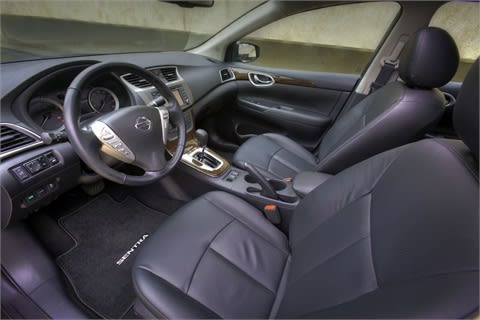
Inside, the Sentra offers more room and a more sophisticated interior, according to the automaker.
Other Features
Other optional features include a RearView Monitor, Nissan’s Intelligent Key (with an illuminated push-button ignition switch) and the automaker’s Tire Pressure Monitoring System (TPMS) with its new Easy Fill Tire Alert feature.
More Operations

Fleet Has a Talent Pipeline Problem. What Comes Next? | AF News Recap
Where will fleet’s next generation of leaders come from? This week, we’re looking at the industry’s talent pipeline, what certification can add to a fleet career, how to build an award-worthy track record, and the return of Automotive Fleet’s Personal Use Survey.
Read More →
Smith System Launches Driver Risk Management Program
Fleets have more driver data than ever, but identifying risky behavior doesn't necessarily correct it. Smith System's new Driver Risk Management program combines monitoring, training, and follow-up coaching to help fleets connect risk signals with driver intervention.
Read More →
Automotive Fleet Opens 2026 Personal Use Survey for Commercial Fleet Managers
Less than two weeks left! Commercial and corporate fleet managers are invited to share how their organizations handle company vehicle personal-use policies, charges, and driver eligibility.
Read More →
From AI Prompts to AI-Generated Safety Songs | AF News Recap
Can better prompts make AI more useful for fleet managers? This week, we’re breaking down smarter fleet analysis, an AI-assisted experiment that turned safety training into music, and what happened to fuel prices in August.
Read More →
How to Write Better AI Prompts for Fleet Analysis
Include these six elements in your fleet prompts to generate more relevant analysis and accurate answers.
Read More →
Fleet Meets: Eric Kilgore
This edition of the Fleet Meets series features one of the industry's best leaders driving multi-market and national operations.
Read More →
Why Reactive Fleet Management Is Becoming Too Expensive to Sustain
Research highlights a growing need for proactive management strategies to address rising costs in fleet operations effectively.
Read More →
What Your Fleet KPIs Aren’t Telling You
Tracking fleet metrics is only useful when the data leads to better decisions. This guide helps fleet leaders assess cost, utilization, and downtime more accurately, identify performance gaps, and prioritize the actions that can improve operational results.
Read More →
Hidden in Plain Sight: Fleet Compliance Risks
Fleet compliance isn't just about having policies — it's about consistently enforcing them. This practical guide reveals six hidden compliance risks common in public sector and shared fleet operations and outlines proven strategies to improve visibility, accountability, and audit readiness
Read More →
Turning Fleet Payment Data into Executive Insights
Does data alone drive results in operations?
Read More →