




Nissan Introduces CNG Version of Urvan to Thai Market
Nissan has introduced the NV350 Urvan CNG, a new version of the commercial vehicle powered by a bi-fuel compressed natural gas (CNG) engine.
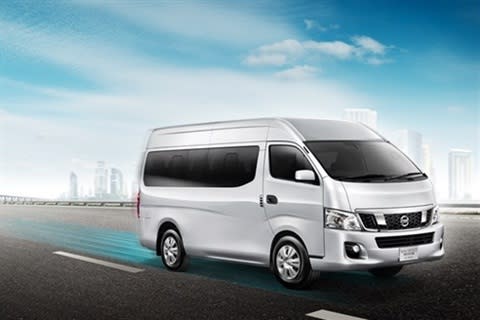
Photo courtesy of Nissan Thailand.
Nissan has introduced the NV350 Urvan CNG, a new version of the commercial vehicle powered by a bi-fuel compressed natural gas (CNG) engine. This is Nissan's third CNG model in Thailand. The van is available for sale throughout Thailand.
Nissan launched its first CNG model, the Navara CNG, in July 2013, followed by the Sylphy CNG.
The new NV350 Urvan CNG is powered by a QR25DE engine, which generates 147 hp at 5,600 rpm with a maximum torque of 213 Nm at 4,400 rpm. Engineered for advanced CNG operations, the vehicle includes new technologies such as an advanced floating gas injection system to maximize the efficiency of gas consumption and an advanced electronic system to effectively control the injection of gas, minimizing noise created through gas injection. The new vehicle will reduce running costs by two thirds compared to a conventional gasoline engine, according to the automaker.
NV350 Urvan CNG has two 100L CNG fuel tanks with protective coverings installed in the bed of the last row seats. Its special receptacle valve is located at the fuel filler area, allowing customers to replenish CNG at their convenience. NV350 Urvan CNG is available in two models: a 12-seater version with automatic transmission and a 16-seater with manual transmission. Both offer a comfortable and spacious interior, with 18 air vents and a MID (multi-information display) function, according to Nissan.
NV350 Urvan CNG is priced from 1.251M baht.
More Green Fleet

EV Charging Use Is Outpacing Infrastructure Growth
ChargePoint’s 2026 Charging Forward Report points to rising charger use, higher-powered charging, commercial vehicle electrification, and energy-management technology. Here’s what fleets should know.
Read More →
Merchants Fleet Reports 290M EV Miles as Fleets Navigate Changing Electrification Market
From millions in operating savings to hundreds of millions of EV miles, Merchants Fleet’s latest report reveals what’s working and what’s changing in fleet electrification.
Read More →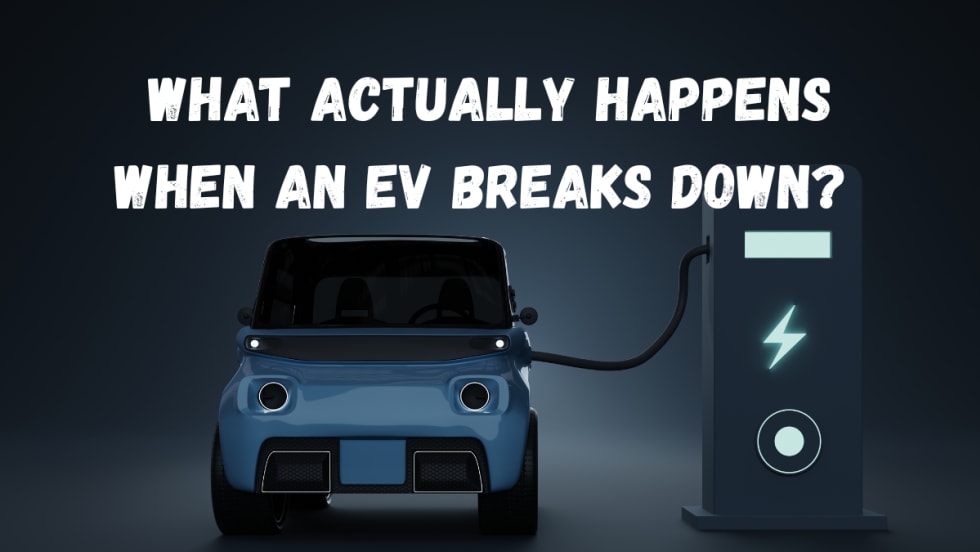
The EV Breakdown Nobody's Talking About: Why Most Electric Vehicle Roadside Calls Aren't Mechanical Failures
Here's why EV breakdowns are widely misunderstood.
Read More →
ChargePoint Now Available in Energy Pass
ChargePoint and additional planned charging network integrations were added to GM's Energy Pass.
Read More →
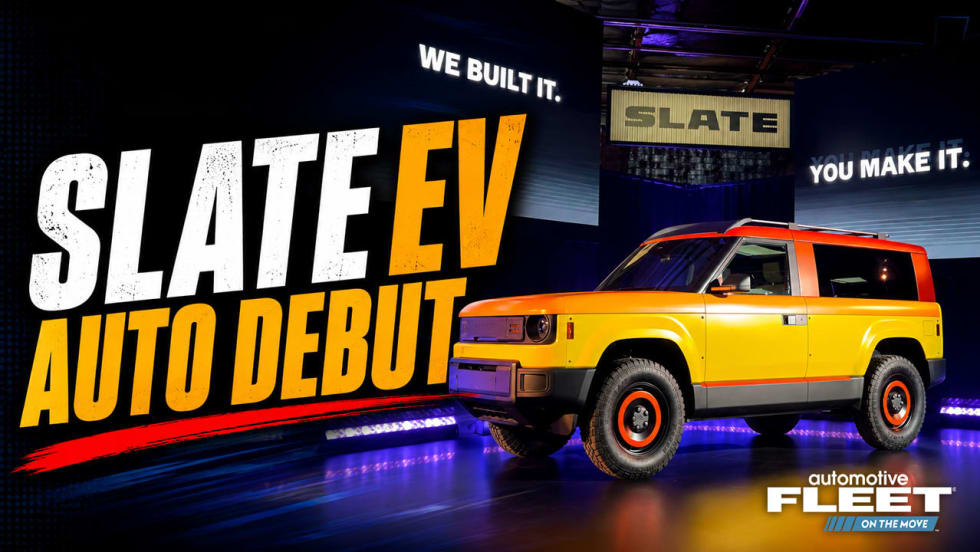
First Look: Slate Auto's Electric Fleet Pickup
Could an affordable, modular EV pickup make electrification more practical for fleets?
Read More →
Slate Debuts Colorful, Unique EV Models
A recent media and client event, studded with electric vehicles dressed up on platforms, planted a new position for the manufacturer in the wider EV market. Fleets will find cost-saving advantages.
Read More →
Slate Electric SUV, Pickup Switchable Model Aims For Light-Duty Fleets
Everything about this EV is counterintuitive and understated, making it stand out from the crowd.
Read More →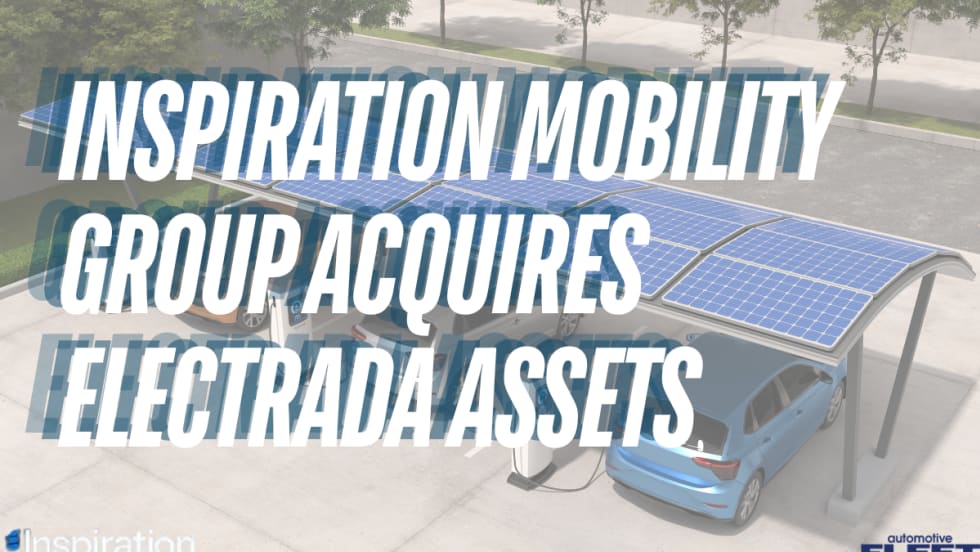
Inspiration Mobility Acquires Key Electrada Assets
Inspiration Mobility Group has acquired select assets of Electrada, adding the fleet electrification provider's team, technology, and charging infrastructure development capabilities to its energy management business.
Read More →
Turning Connected Vehicle Data Into Decisions That Matter
Fleet leaders have more data than ever, but turning that data into clear, actionable decisions remains a challenge. This white paper shows how leading organizations are using connected vehicle data to improve safety, reduce costs, and optimize fleet performance. Learn how to turn insight into action across your fleet.
Read More →