




Nissan Expands Dealer-Based Ordering
Nissan is making it easier for commercial fleets to acquire vehicles outside of annual purchasing cycles with its Fleetail 2.0 program that will expedite orders of less than 50 vehicles to commercial fleets and fleet management companies.

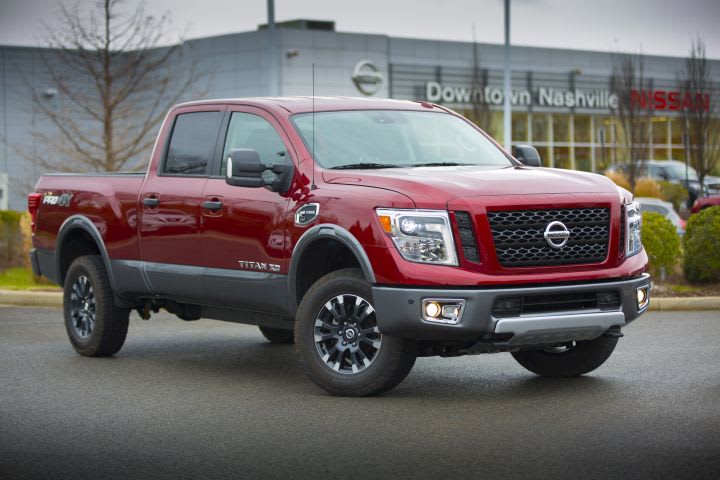
Photo of 2016 Titan XD courtesy of Nissan.
Photo of 2016 Titan XD courtesy of Nissan.
Nissan is making it easier for commercial fleets to acquire vehicles outside of annual purchasing cycles with its Fleetail 2.0 program that will expedite orders of less than 50 vehicles to commercial fleets and fleet management companies.
While the program will most likely be used by smaller fleets, larger fleets can benefit by collecting full incentives for a "spot buy," when a fleet needs to purchase vehicles quickly outside of an annual budgeting and procurement cycle.
Fleetail 2.0 – the first iteration began with the introduction of the NV for the 2012-MY – relies on dealer trades to enable sales of smaller lots of vehicles. It also ensures fleets receive the "street" or published incentive as well as any additional corporate tiered incentives based on volume purchasing.
The initial program was only available on NV models and only offered through Nissan’s Business Certified Dealerships. Business Certified is a program designed to assist commercial focused dealerships in catering to the commercial customer needs. It functions similarly to General Motors' Business Elite program or Ram Commercial's BusinessLink programs. However the Fleetail 2.0 program sets it apart from the other domestic commercial programs, according to Nissan.
Nissan is launching the dealer-based program in tandem with its diesel-powered Titan XD, which arrived in late 2015. Nissan is hoping the heavier light-duty truck will grow its commercial business, which has relied on sales of its Nissan NV and NV200 vans.
"It's the perfect program for Titan," said Mark Namuth, senior manager for commercial vehicle sales. "When you look at Titan buyers, those guys are construction companies. They get a new contract, and they need 20 trucks right away."
The program will also benefit larger fleets with regional businesses that prefer to purchase through dealerships.
Pharmaceutical companies that hire additional sales reps during the year could also benefit from the program if they need to add additional Rogue compact SUVs in the middle of a fiscal year, Namuth said.
Fleets that enroll in the program are given a Fleet Certification Number, so they can place their orders at dealers. Orders above 50 units typically would be sent to Nissan corporate as a factory order.
The program groups orders into a tiered hierarchy based on size. Customers ordering two to 15 cars would be considered Tier 1. Additional tiers are available for larger buys and receive larger incentives. For larger fleets and fleet management companies, the program will shorten order-to-delivery times, Namuth said. Nissan's entire vehicle lineup is eligible, except for the GT-R.
"This program is all about getting the customer the right incentive and the right vehicles out of dealer stock for quick delivery," Namuth said. "Dealers like to swap cars. With the Fleetail program, we're encouraging our dealers to be more engaged with one another. If you help your neighbor that guy will return the favor when you need 10 units."
In the past, such transactions have been stymied because dealers have wanted to sell Nissan vehicles as retail transactions so they wouldn't have to give up incentives, Namuth said. Under Fleetail, Nissan makes dealers whole with all applicable dealer incentives in place."
Since the first iteration of the program, Nissan has been beefing up its fleet sales efforts. The company now has 11 fleet sales associates serving the North American market. They work directly with fleet management companies, and will coordinate Fleetail sales with a commercial dealership.
Nissan has also hired 10 commercial advisers as consultants to its more than 400 Business Certified dealerships. These dealerships also employ a commercial vehicle account manager responsible for prospecting for commercial deals.
Nissan officially launched Fleetail 2.0 on Dec. 1. A third-party managed website for the program went live in January.
More Operations

Here's When You Should Make an Exception to Fleet Policy
Fleet policies are designed to create consistency, but not every driver or situation fits neatly within standard rules.
Read More →
AI-Native or AI-Acquired: What Should Fleet Managers Look for in an AI Platform?
Six questions can help fleet managers look beyond AI marketing claims to evaluate integration, data access, and real-world operational performance.
Read More →
A buyer's guide to fleet management software in 2027
Buying fleet management software in 2027 means looking beyond features and price. As fleet operations, technology and expectations evolve, this guide explores what today’s fleet professionals should consider when choosing a system that can deliver value now and adapt to what comes next.
Read More →

What Will Shape the Next Era of Fleet Management?
EVs, AI, and autonomous vehicles are reshaping fleet management. Discover what’s ahead—and how fleet leaders can prepare for the next era.
Read More →
How Fleets Can Recruit and Train Veterans for Technician Roles
Here's how the technician shortage has affected uptime for fleets, and what to do about it.
Read More →
Avis Budget Group Deploys Neology Toll Management Technology Across Major Brands
Neology’s neoFleet platform will manage toll transactions and toll-authority operations for vehicles across Avis, Budget, Payless, Budget Truck and Zipcar.
Read More →
Fleet Personal-Use Charges Edge Higher in 2026
Nearly eight in 10 surveyed fleets allow personal use of company vehicles, while just over half of respondents report charging employees for the privilege.
Read More →
The Future of Fleet + What’s Changing Right Now | AF News Recap
Could developments overseas offer a preview of what’s coming for U.S. fleets? This week, we’re looking at the future of AI, autonomy, and electrification, plus Ford Pro’s new certified pre-owned program, smarter vehicle offboarding, and a new way for fleets to manage toll expenses.
Read More →
How to Handle Vehicle Offboarding
What do fleet managers need to do when a driver leaves?
Read More →
Fleet Manager’s Ultimate Playbook: Navigating the New Standard in OEM Connectivity
Rising operating costs, driver safety concerns, and unplanned downtime are putting unprecedented pressure on modern fleets. Discover how fleet managers use embedded OEM connectivity and real-time vehicle data to cut TCO, prevent downtime, and protect drivers without aftermarket telematics hardware.
Read More →