




Nissan EV Program Draws Global Gov't Support
TOKYO, JAPAN --- Nissan Motor Co. said it is confident that the financial support the company has received from governments worldwide will ensure the profitability of its electric vehicle program.
TOKYO, JAPAN --- Nissan Motor Co. said it is confident that the financial support the company has received from governments worldwide will ensure the profitability of its electric vehicle program.
"The speed of which you get returns depends upon mass production. The second thing that it relies upon is government incentives," Andy Palmer, Nissan's senior vice president of product planning, told Bloomberg in an interview this week. "That helps our cost of entry, helps our cash flow and will help the first- and the second-generation vehicles to exist."
Development costs for electric cars "significantly" exceed the $300 million to $500 million Nissan normally spends on a new model because of the expense of the batteries, Palmer said. The automaker is now preparing to produce about 350,000 electric vehicles a year globally.
"Without government aid, the business would be unrealistic," Yasuaki Iwamoto, an auto analyst at Okasan Securities Co. in Tokyo, told Bloomberg. "The support helps with the high cost of developing the batteries."
Nissan plans to use a $1.6 billion U.S. loan to retool a Tennessee factory so battery-powered cars can be made there. Nissan will also receive grants and loans from the U.K. and Portugal to build factories for lithium-ion batteries. The company hasn't disclosed the amount of aid it will receive.
Nissan will have capacity to produce 200,000 electric vehicles in the U.S., 100,000 in Europe and 50,000 in Japan, Palmer said.
Nissan and partner Renault SA hope to offer electric vehicles in the U.S. and Japan starting in 2010 and globally in 2012.
The company is scheduled to unveil the new electric car Aug. 2 in Yokohama at the opening of Nissan's new corporate headquarters. The car is modified from the platform used for Nissan's compact Tiida hatchback, sold in the U.S. as the Versa. The electric car will seat as many as five people and travel as far as 100 miles (160 kilometers) on a full charge.
More Green Fleet

EV Charging Use Is Outpacing Infrastructure Growth
ChargePoint’s 2026 Charging Forward Report points to rising charger use, higher-powered charging, commercial vehicle electrification, and energy-management technology. Here’s what fleets should know.
Read More →
Merchants Fleet Reports 290M EV Miles as Fleets Navigate Changing Electrification Market
From millions in operating savings to hundreds of millions of EV miles, Merchants Fleet’s latest report reveals what’s working and what’s changing in fleet electrification.
Read More →
The EV Breakdown Nobody's Talking About: Why Most Electric Vehicle Roadside Calls Aren't Mechanical Failures
Here's why EV breakdowns are widely misunderstood.
Read More →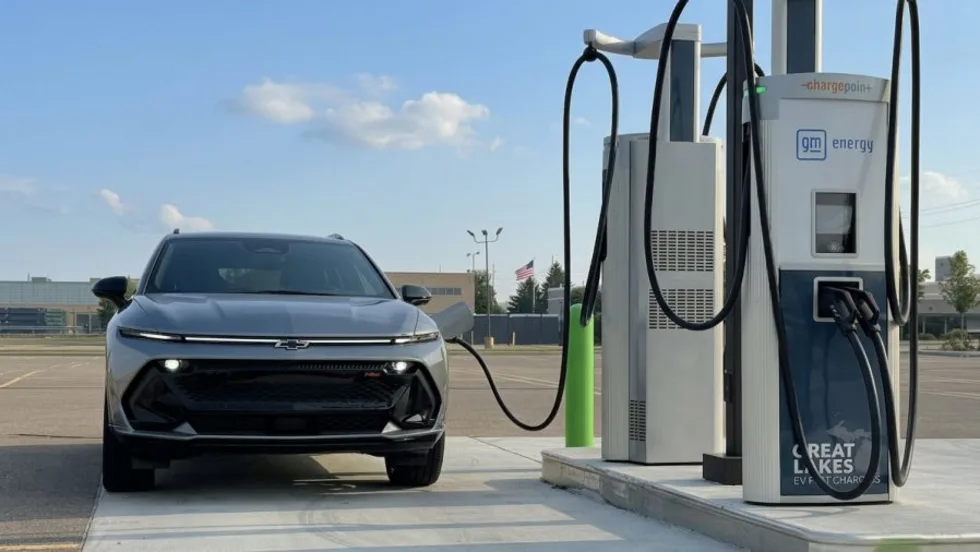
ChargePoint Now Available in Energy Pass
ChargePoint and additional planned charging network integrations were added to GM's Energy Pass.
Read More →

First Look: Slate Auto's Electric Fleet Pickup
Could an affordable, modular EV pickup make electrification more practical for fleets?
Read More →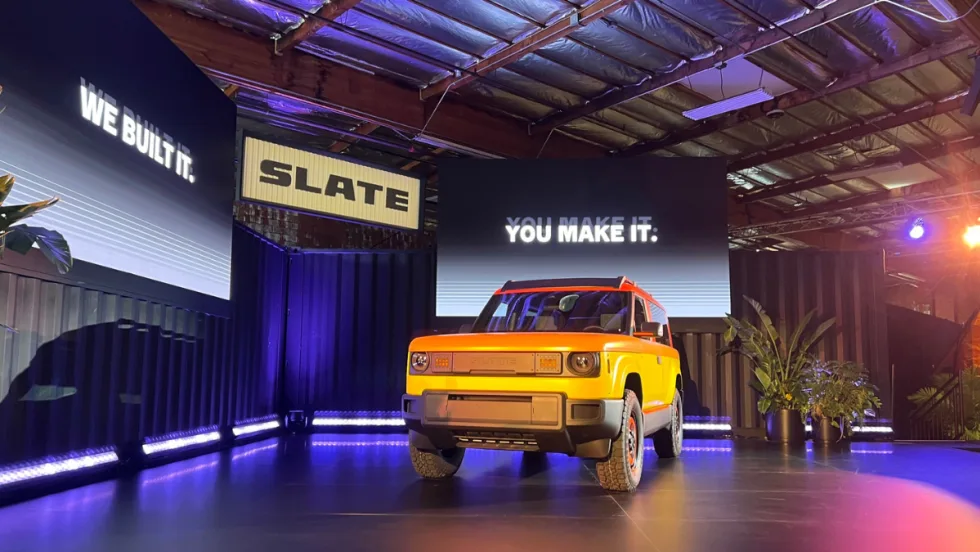
Slate Debuts Colorful, Unique EV Models
A recent media and client event, studded with electric vehicles dressed up on platforms, planted a new position for the manufacturer in the wider EV market. Fleets will find cost-saving advantages.
Read More →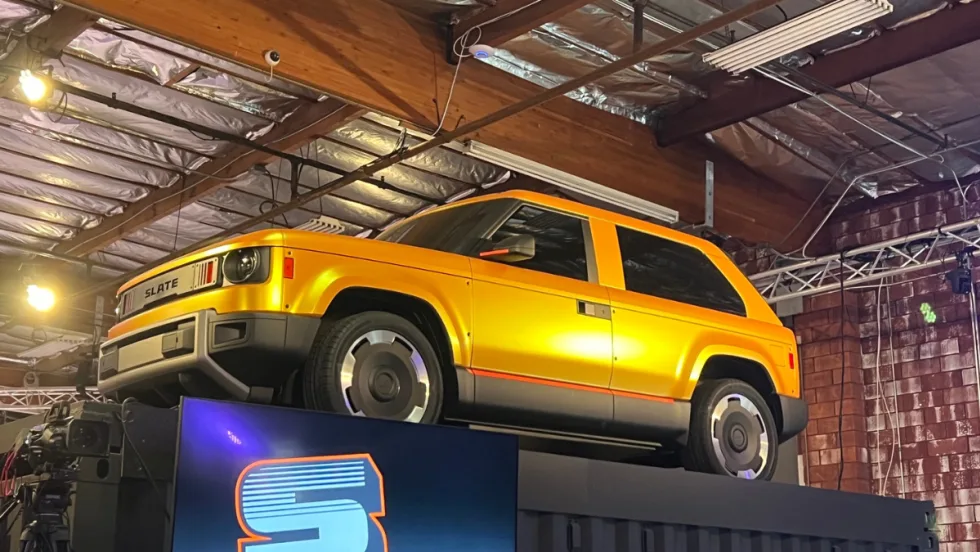
Slate Electric SUV, Pickup Switchable Model Aims For Light-Duty Fleets
Everything about this EV is counterintuitive and understated, making it stand out from the crowd.
Read More →
Inspiration Mobility Acquires Key Electrada Assets
Inspiration Mobility Group has acquired select assets of Electrada, adding the fleet electrification provider's team, technology, and charging infrastructure development capabilities to its energy management business.
Read More →
Turning Connected Vehicle Data Into Decisions That Matter
Fleet leaders have more data than ever, but turning that data into clear, actionable decisions remains a challenge. This white paper shows how leading organizations are using connected vehicle data to improve safety, reduce costs, and optimize fleet performance. Learn how to turn insight into action across your fleet.
Read More →