




NHTSA Seeks Accountability, Transparency on ADAS-Related Crashes
A new order mandates major manufacturers, Tier 1 suppliers, and operators of autonomous vehicles to report crashes of vehicles equipped with emerging in-vehicle technologies.


An August 2020 report from AAA found that over the course of 4,000 miles of real-world driving, vehicles equipped with active driving assistance systems experienced a system anomaly every eight miles, on average.
Photo courtesy of AAA.
Entities as diverse as General Motors, Tesla, Lyft, Navistar, BorgWarner, Denso, First Transit, and Nuro will soon begin reporting crashes of their vehicles equipped with advanced driver assistance systems.
On June 29, the National Highway Traffic Safety Administration issued an order requiring major vehicle and equipment manufacturers and operators of vehicles equipped with SAE Level 2 advanced driver assistance systems (ADAS) or SAE Levels 3-5 automated driving systems (ADS) to report crashes during which those systems were engaged.
The action is designed to enable NHTSA to collect and analyze crash data to identify safety issues that could emerge in these automated systems, the agency said in a statement.
NHTSA’s order requires those entities, including software manufacturers, to report crashes that occur on public roads in the U.S. The order does not cover individual fleet operators. It mandates reporting within one day of learning of a crash that involves a hospital-treated injury, fatality, vehicle tow-away, airbag deployment, or a “vulnerable road user” such as a pedestrian or bicyclist.
Every month, those entities must report all other crashes involving an ADAS-equipped vehicle that involve an injury or property damage. Those reports must be updated monthly with new or additional information. The reports must be submitted to NHTSA electronically through a form that NHTSA will use to collate the information and identify crashes for follow up.
Failure to respond could result in civil penalties of up to $22,992 per violation per day, up to a maximum penalty of more than $114 million.
Initially, the vast majority of reporting will come from major automakers with vehicles equipped with Level 2 ADAS, which includes commonly available driver-assist functions such as lane centering assistance and adaptive cruise control.
The order also includes autonomous technology providers that operate ADS-equipped vehicles at Level 4 autonomy — such as Nuro, Gatik AI, Kodiak Robotics, Cruise, and Poni.AI — though those vehicles are not currently sold to consumers and are in limited testing presently.
NHTSA’s order follows mounting reports of problems with ADAS-equipped vehicles as well as crashes.
An August 2020 report from AAA found that over the course of 4,000 miles of real-world driving, vehicles equipped with active driving assistance systems experienced a system anomaly every 8 miles, on average. Problems included trouble with the systems keeping the test vehicles in their lane, coming too close to other vehicles or guardrails, and active driving assistance systems disengaging with little notice.
Tesla has experienced an ongoing string of incidents with crashes involving its AutoPilot system. At least three Tesla drivers have died while Autopilot was engaged. Problems with Tesla’s AutoPilot system may not be increasing, however. Tesla released crash data regarding AutoPilot crashes in the first half of last year, which showed an overall improving per-mile trend in incidences.
More Fleet Forward
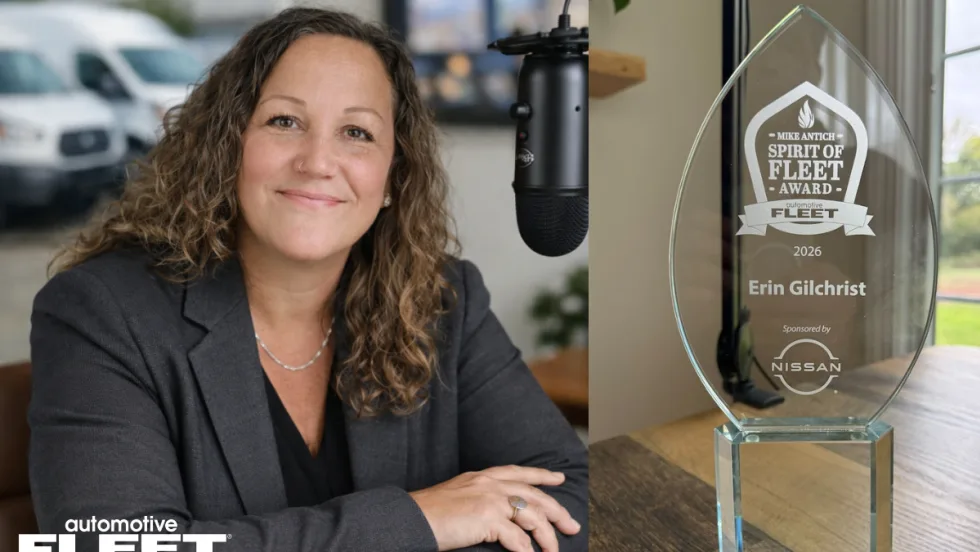
Erin Gilchrist Receives Mike Antich Spirit of Fleet Award
Last week at AFLA in Vegas, Erin Gilchrist received the inaugural, brand-new Spirit of Fleet Award.
Read More →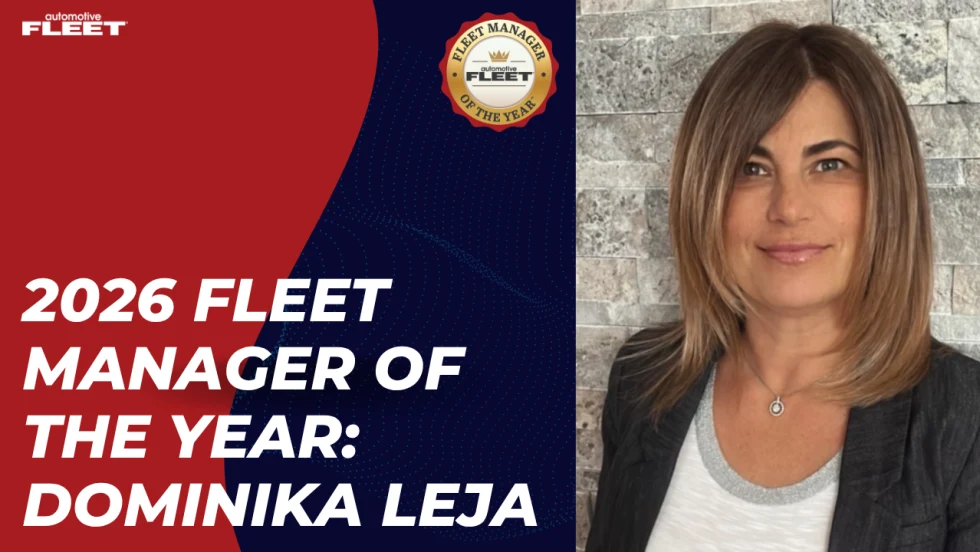
Dominika Leja Named the 2026 Fleet Manager of the Year
The AstraZeneca associate director of fleet was recognized for her leadership in fleet electrification, cost savings, and operational transformation.
Read More →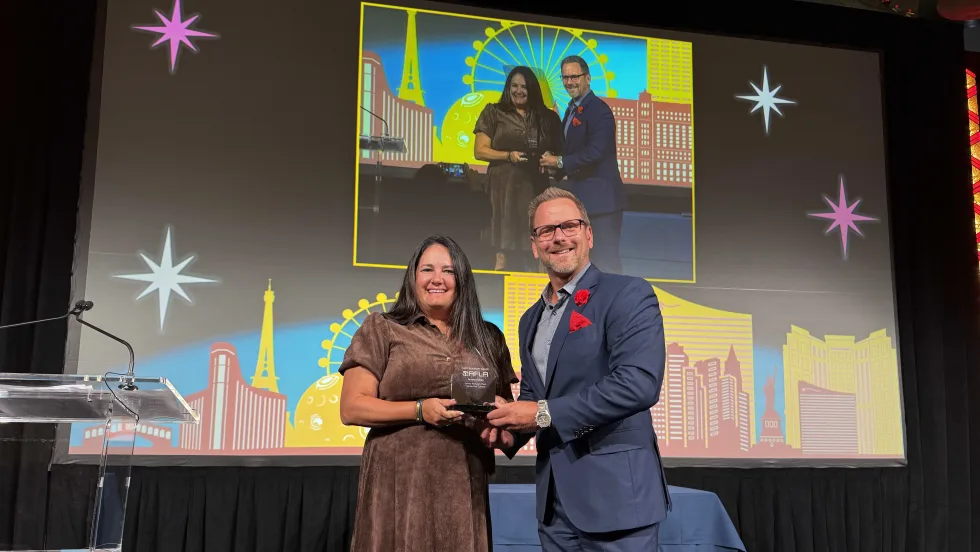
Jamie McKay Named the 2026 Fleet Visionary Award Winner
The Aptive Pest Control fleet manager was recognized for her approach to operations, data, lifecycle management, and driver needs.
Read More →
Fleet Forward Conference Introduces One-Day Passes for 2026
New one-day registration gives fleet professionals the flexibility to attend Tuesday, Wednesday, or Thursday, with passes available for $199 through Sept. 18.
Read More →
Vibe Coding: When Fleet Managers Become Software Builders
Five fleet professionals — none with programming skills — discuss how they’re using AI to build fleet solutions in-house and in a fraction of the time.
Read More →
Fleet Forward Conference Tackles Fleet Industry’s Growing Leadership Gap
This session will examine succession planning, knowledge transfer, and the skills the next generation of fleet leaders will need as veteran professionals leave the industry.
Read More →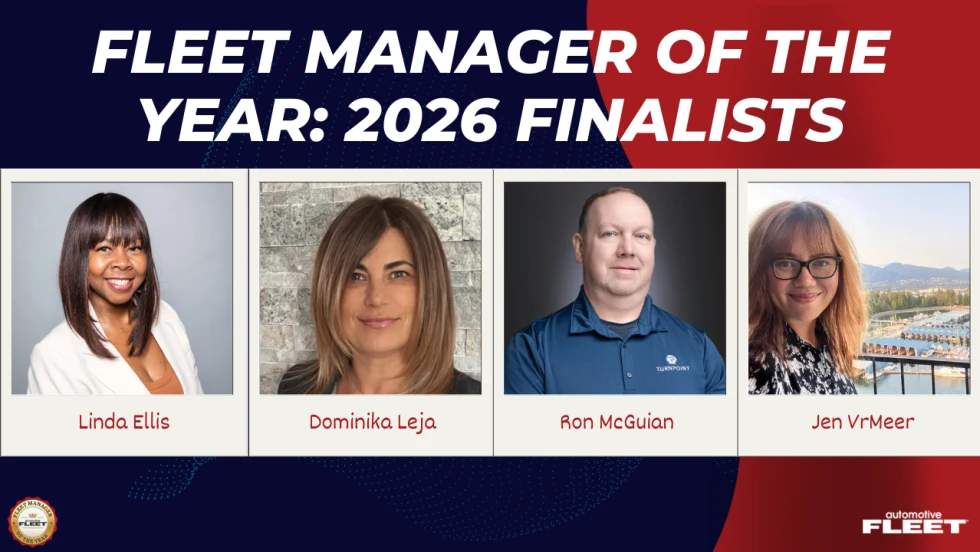
2026 Fleet Manager of the Year Finalists Announced
Who are the 2026 Fleet Manager of the Year finalists?
Read More →
John Rossant to Deliver Opening Keynote at 2026 Fleet Forward Conference
The CoMotion founder will draw on developments across Europe, China, the Middle East, and other international markets to identify trends that could influence how U.S. fleets plan for the coming decade.
Read More →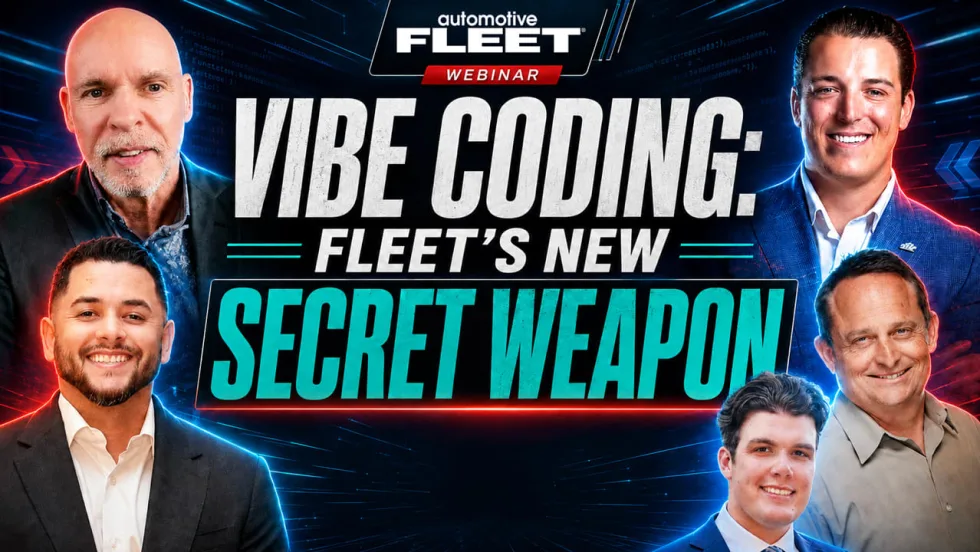
How to Build Custom Fleet Tools With AI and Vibe Coding [Webinar]
A new Automotive Fleet webinar explores how fleet managers are using AI and vibe coding to automate routine work and create simple operational tools without traditional programming skills.
Read More →