Automotive Fleet
MenuMENU
SearchSEARCH

NHTSA Proposes Standards for Keyless Ignition Systems

WASHINGTON - One of NHTSA's proposed rules would standardize the length of time necessary to push a control to stop a vehicle.

by Staff
December 9, 2011
2 min to read


WASHINGTON – The National Highway Traffic Safety Administration (NHTSA) has proposed standardizing how keyless-start ignition ("push start") systems work on new vehicles.

The proposed rules in the federal register would standardize the length of time necessary to push a control to stop a vehicle. They also add a requirement that vehicles with keyless ignition emit an audible warning to any driver who tries to exit the vehicle without turning it off, or who tries to turn it off without putting it in “park.”

Ad Loading...

The specific recommendations include requiring the driver to hold the control for a minimum of half a second to shut down a vehicle’s propulsion system (whether the vehicle is in motion or stationary) and that the system must shut down within 1 second of the driver initially pushing the stop control.

According to the organization, a drivers’ inability to stop a moving vehicle in a panic situation is one reason for the proposed standards. NHTSA cited drivers who unintentionally leave the vehicle without its transmission’s being locked in “park,” allowing it to potentially roll away, as another concern. Lastly, drivers who accidentally leave the vehicle running in an enclosed area, due to their unfamiliarity with keyless ignition systems, or who simply forget to turn the engine off, could create situations where individuals get carbon monoxide poisoning.

You can read the proposed rules here.

More Safety

pictures of a lock with the words Cybersecurity 101
Safetyby Jeanny RoaMay 11, 2026

Fleet Cybersecurity 101: What You Need from Your Technology Vendors

From identity management to third-party certifications, the right technology partner should make security easier to manage. Here are the three building blocks that fleet managers need to stay in control as connected systems scale.

Read More →
Chris Brown sits across from safety experft at Lifesaver mobile in an interview about distracted driving and phone use tech.
Safetyby Chris BrownMay 1, 2026

Reducing Risk by Eliminating Phone Use Behind the Wheel

Distracted driving remains one of the most persistent risks in fleet operations. New approaches focus on removing mobile device use entirely while adding real-time safety support.

Read More →
Safetyby Jeanny RoaApril 15, 2026

Distracted Driving in the Age of Smart Tech – Part 2

As distraction risks evolve, fleets are turning to smarter, more connected technologies to better understand what’s happening behind the wheel. Part 2 explores how these tools are helping identify risky behaviors and improve visibility across operations.

Read More →
Ad Loading...
Safetyby Jeanny RoaApril 11, 2026

 Data Rights, Risks, and Responsibilities After a Crash

What fleets capture to improve safety can also expose them in litigation, forcing leaders to rethink how data is managed, stored, and shared.

Read More →
Driver holding a phone while steering, illustrating distracted driving and the importance of mental awareness and attention on the road for fleet safety.
Safetyby Judie NuskeyApril 10, 2026

From Distraction to Detection: Strengthening Awareness in Fleet Drivers

Distracted driving is often measured by what we can see—phones in hand, eyes off the road. But what about the distractions we can’t? A recent incident raises a bigger question about awareness, attention, and why subtle risks so often go unnoticed.

Read More →
Safetyby StaffApril 8, 2026

Lytx 2026 Road Safety Report

While serious crashes are declining, a rise in minor incidents and ongoing risk hotspots underscore the need for continued fleet safety investment.

Read More →
Ad Loading...
Driver’s hands on steering wheel in a sunlit vehicle, representing real-world driver behavior and the shift from data monitoring to hands-on training in fleet safety programs.
Safetyby Judie NuskeyApril 7, 2026

Behind-the-Wheel vs. Classroom Training: What Actually Changes Driver Behavior?

Fleets have more driver data than ever, so why isn't behavior changing? Training requires more than reports and coaching — it requires real-world practice.

Read More →
A person in a car on their phone behind the steering wheel.
Safetyby Jeanny RoaApril 1, 2026

Distracted Driving in the Age of Smart Tech – Part 1

A two-part conversation with Stefan Heck on how AI is transforming the fight against distracted driving. As fleets adopt smarter tools, the focus shifts from reacting to preventing risk. In Part 1, we look at where AI is making an impact for fleets today.

Read More →
Pedestrians crossing a busy street, highlighting the importance of driver awareness and caution to prevent pedestrian accidents.
Safetyby StaffMarch 30, 2026

Pedestrian Safety Starts With the Driver

More people on foot means more risk for drivers. These pedestrian safety tips can help prevent serious injuries and keep everyone safer on the road.

Read More →
Ad Loading...
SponsoredMarch 30, 2026

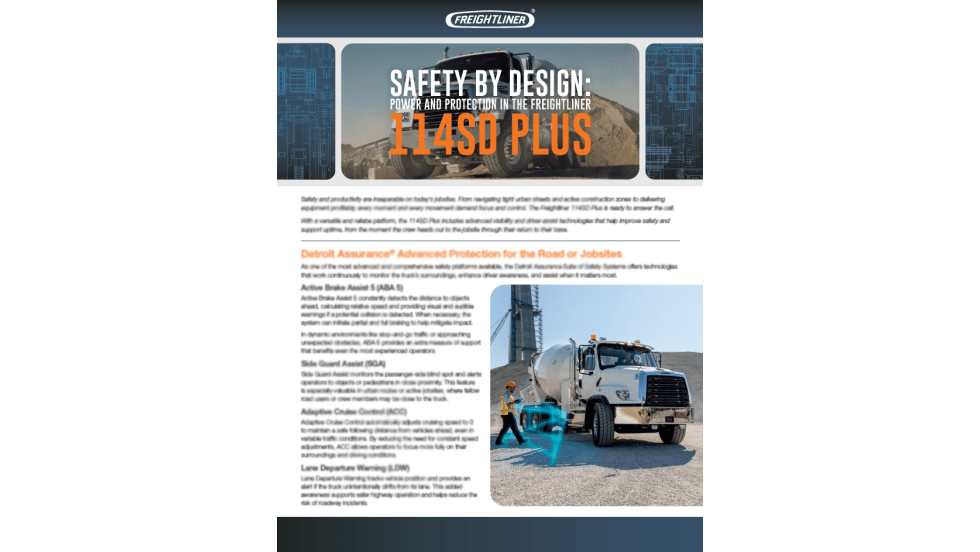
Safety by Design: Power and Protection in the Freightliner 114SD Plus

Fleet managers are under pressure to reduce accidents, control costs, and improve operational efficiency. See how advanced vehicle safety technologies are helping fleets operate smarter and safer.

Read More →