




NHTSA Probing Fire Risk in Post-Collision Chevrolet Volts
WASHINGTON -- The National Highway Traffic Safety Administration (NHTSA) announced on Nov. 25 that the agency is opening a formal safety defect investigation to assess fire risk in Chevrolet Volts that have been involved in a serious crash.
WASHINGTON -- The National Highway Traffic Safety Administration (NHTSA) announced on Nov. 25 that the agency is opening a formal safety defect investigation to assess fire risk in Chevrolet Volts that have been involved in a serious crash.
The NHTSA confirmed it is not aware of any roadway crashes that have resulted in battery-related fires in Chevrolet Volts or other vehicles powered by lithium-ion batteries. However, the agency added that it is concerned that damage to the Volt's batteries -- arising from tests designed to replicate real-world crash scenarios -- have resulted in fire. NHTSA is therefore opening a safety defect investigation of Chevrolet Volts to explore the risk of a battery-related fire following a crash.
The NHTSA said that Volt owners whose vehicles have not been in a serious crash do not have reason for concern.
This past May, the NHTSA crashed a Chevrolet Volt in a test designed to measure the vehicle's ability to protect occupants from injury in a side collision. During that test, the vehicle's battery was damaged and the coolant line was ruptured. More than three weeks later, a fire occurred in the test vehicle. The agency concluded that the damage to the vehicle's lithium-ion battery during the crash test eventually led to the fire.
Since that fire incident, the NHTSA said, the agency has gathered additional information about the potential for fire in electric vehicles involved in a crash. This effort has including working with the Department of Energy and Department of Defense — in close coordination with experts from General Motors — to complete rigorous tests of the Volt's lithium-ion batteries.
In an effort to recreate the May test, the NHTSA conducted three tests on the Volt's lithium-ion battery packs that intentionally damaged the battery compartment and ruptured the vehicle's coolant line. Following a test on Nov. 16 that did not result in a fire, a temporary increase in temperature was recorded in a test on Nov. 17.
During the test conducted on Nov. 18 using similar protocols, the battery pack was rotated within hours after it was impacted and began to smoke and emit sparks shortly after rotation to 180 degrees, the NHTSA said.
The agency's forensic analysis of the Nov. 18 fire incident continued. On Nov. 24, the battery pack that was tested on Nov. 17 caught fire at the testing facility.
The agency said it is currently working with DOE, DOD and GM to assess the cause and implications of the Nov. 24 fire. In each of the battery tests conducted in the past two weeks, the Volt's battery was impacted and rotated to simulate a real-world, side-impact collision into a narrow object such as a tree or a pole followed by a rollover.
It’s too soon to tell whether the investigation will lead to a recall of any vehicles or parts. But if NHTSA identifies an unreasonable risk to safety, the agency said it will take immediate action to notify consumers and ensure that GM communicates with current vehicle owners.
In the meantime, the agency is working with all vehicle manufacturers to ensure they have appropriate post-crash protocols. The NHTSA is also asking electric vehicle and plug-in electric hybrid automakers to provide guidance for discharging and handling their batteries along with any information they have for managing fire risks.
NHTSA is tapping the expertise of the Department of Energy and the National Fire Protection Association to help inform the emergency response community of the potential for post-crash fires in electric vehicles.
In response to the new NHTSA investigation, GM North America President Mark Reuss stressed that General Motors would take every precaution to assure the Volt is a safe vehicle.
“The Volt is a five-star safety car. Even though no customer has experienced in the real world what was identified in this latest testing of post-crash situations, we're taking critical steps to ensure customer satisfaction and safety,” Reuss said.
Reuss noted that the NHTSA test results have implications for electric-powered vehicles in general.
“The question is about how to deal with the battery days and weeks after a severe crash, making it a matter of interest not just for the Volt, but for our industry as we continue to advance the pursuit of electric vehicles,” Reuss said.
Mary Barra, GM senior vice president for global product development, said GM has established a senior engineering team to develop changes to eliminate concern of potential post-crash electrical fires. The team will work with industry representatives to ensure appropriate electric vehicle protocols are in place.
Barra noted that such electrical fires have not occurred on public roads and NHTSA is not investigating any such potential imminent failure on the roads.
“GM and the agency's focus and research continues to be on the performance, handling, storage and disposal of batteries after a crash or other significant event,” she said. “We’re working with NHTSA so we all have an understanding about these risks and how they can be avoided in the future. This isn’t just a Volt issue. We’re already leading a joint electric vehicle activity with Society of Automotive Engineers and other automotive companies to address new issues such as this protocol of depowering batteries after a severe crash.”
Barra said the team would continue to work closely with NHTSA, suppliers, dealers and manufacturing teams to initiate any necessary changes as soon as possible.
Reuss added that GM would establish a Volt owner satisfaction program. Any Volt owner concerned about safety can contact a Volt adviser to arrange exchange for a free GM vehicle loan until resolution of the issue.
“A vehicle loan program of this nature is well beyond the norm for a preliminary investigation, and it underlines our commitment to the vehicle and its owners,” Reuss said. “These steps are the right ones to take regardless of any immediate impact on our operations.”
In a released statement, NHTSA said it continues to believe that electric vehicles have “incredible potential to save consumers money at the pump, help protect the environment, create jobs, and strengthen national security by reducing our dependence on oil.”
NHTSA's current guidance for responding to electric vehicles that have been in a crash remains the same. The agency continues to urge consumers, emergency responders, and the operators of tow trucks and storage facilities to take the following precautions in the event of a crash involving any electric vehicle:
Consumers are advised to take the same actions they would in a crash involving a gasoline-powered vehicle — exit the vehicle safely or await the assistance of an emergency responder if they are unable to get out on their own, move a safe distance away from the vehicle, and notify the authorities of the crash.
Emergency responders should check a vehicle for markings or other indications that it is electric-powered. If it is, they should exercise caution, in accordance with published guidelines, to avoid any possible electrical shock and should disconnect the battery from the vehicle circuits if possible.
Emergency responders should also use copious amounts of water if fire is present or suspected. They need to keep in mind that fire can occur for a considerable period after a crash, and they should proceed accordingly.
Operators of tow trucks and vehicle storage facilities should ensure the damaged vehicle is kept in an open area instead of inside a garage or other enclosed building.
Rather than attempt to discharge a propulsion battery, an emergency responder, tow truck operator, or storage facility manager should contact experts at the vehicle's manufacturer on that subject.
Vehicle owners should not store a severely damaged vehicle in a garage or near other vehicles.
Consumers with questions about their electric vehicles should contact their local dealers.
More Green Fleet

EV Charging Use Is Outpacing Infrastructure Growth
ChargePoint’s 2026 Charging Forward Report points to rising charger use, higher-powered charging, commercial vehicle electrification, and energy-management technology. Here’s what fleets should know.
Read More →
Merchants Fleet Reports 290M EV Miles as Fleets Navigate Changing Electrification Market
From millions in operating savings to hundreds of millions of EV miles, Merchants Fleet’s latest report reveals what’s working and what’s changing in fleet electrification.
Read More →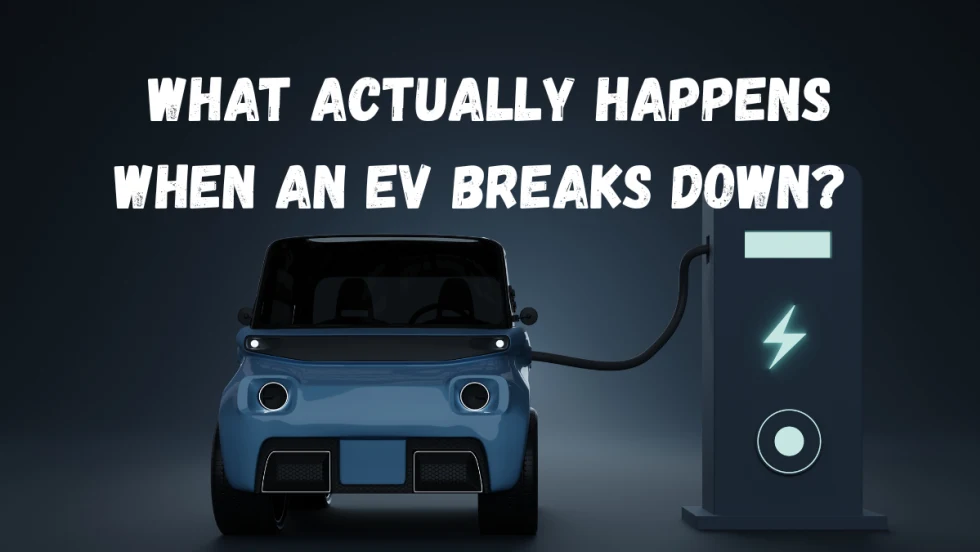
The EV Breakdown Nobody's Talking About: Why Most Electric Vehicle Roadside Calls Aren't Mechanical Failures
Here's why EV breakdowns are widely misunderstood.
Read More →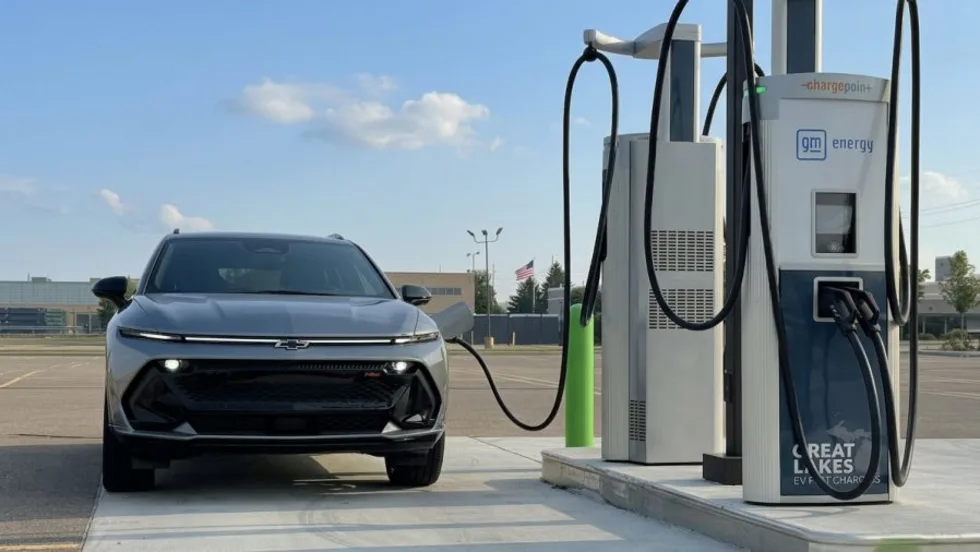
ChargePoint Now Available in Energy Pass
ChargePoint and additional planned charging network integrations were added to GM's Energy Pass.
Read More →
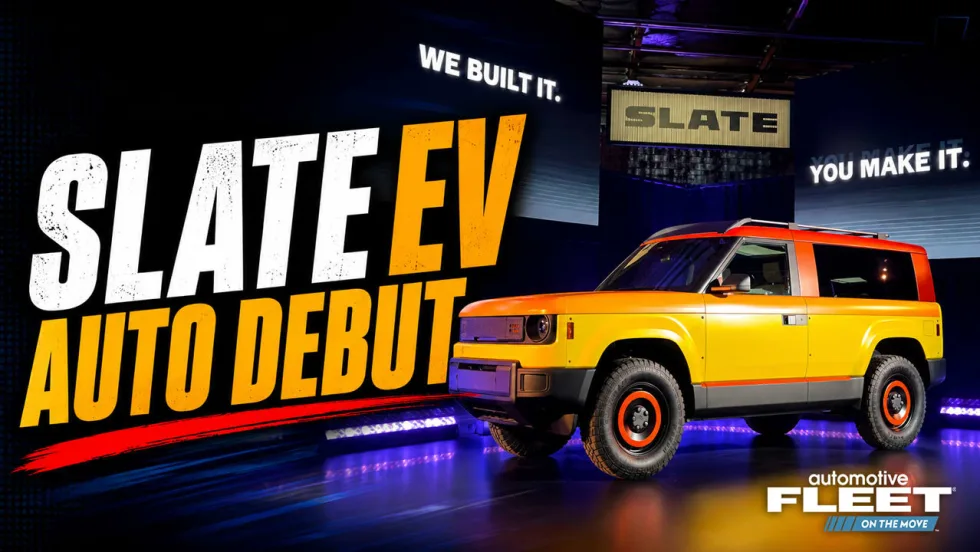
First Look: Slate Auto's Electric Fleet Pickup
Could an affordable, modular EV pickup make electrification more practical for fleets?
Read More →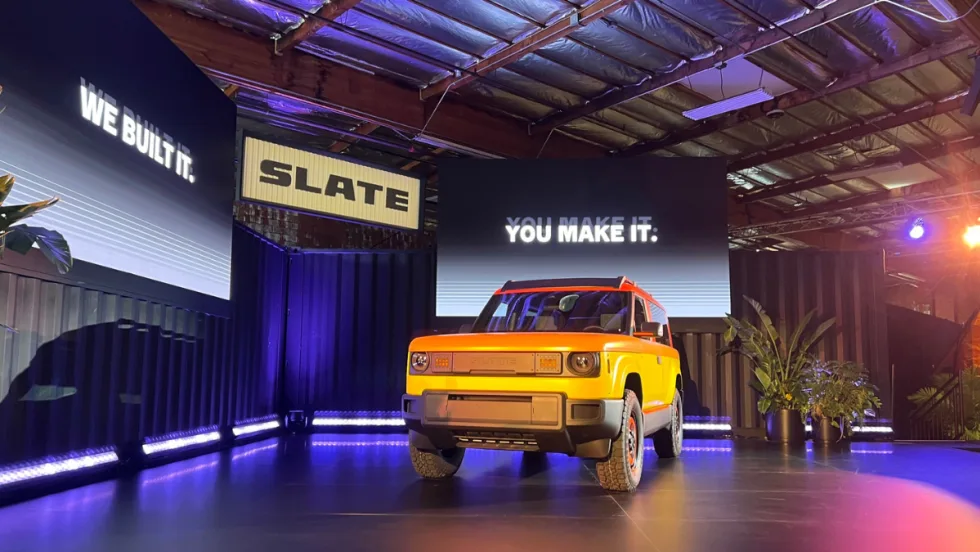
Slate Debuts Colorful, Unique EV Models
A recent media and client event, studded with electric vehicles dressed up on platforms, planted a new position for the manufacturer in the wider EV market. Fleets will find cost-saving advantages.
Read More →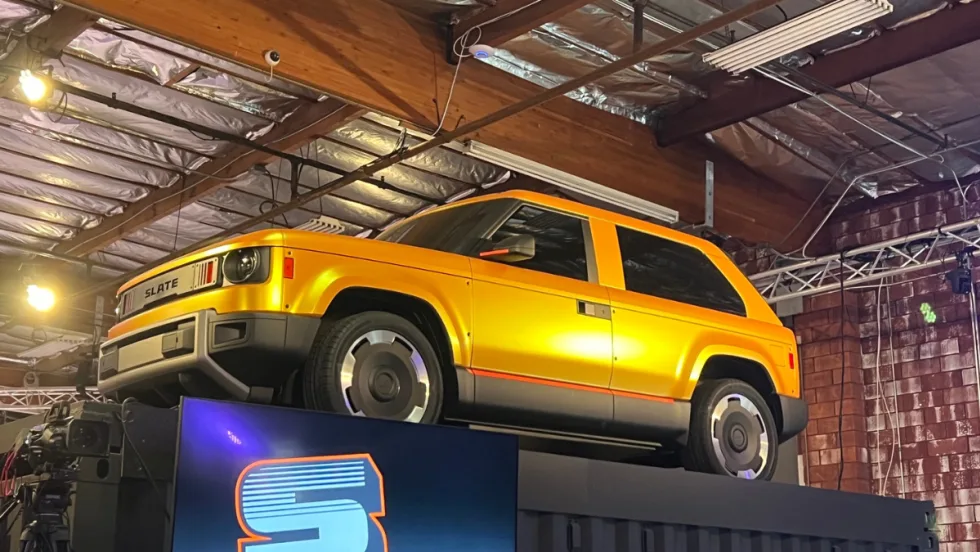
Slate Electric SUV, Pickup Switchable Model Aims For Light-Duty Fleets
Everything about this EV is counterintuitive and understated, making it stand out from the crowd.
Read More →
Inspiration Mobility Acquires Key Electrada Assets
Inspiration Mobility Group has acquired select assets of Electrada, adding the fleet electrification provider's team, technology, and charging infrastructure development capabilities to its energy management business.
Read More →
Turning Connected Vehicle Data Into Decisions That Matter
Fleet leaders have more data than ever, but turning that data into clear, actionable decisions remains a challenge. This white paper shows how leading organizations are using connected vehicle data to improve safety, reduce costs, and optimize fleet performance. Learn how to turn insight into action across your fleet.
Read More →