




NHTSA Deems Chevrolet Volt Safe, Closes Fire Risk Investigation
WASHINGTON – The National Highway Traffic Safety Administration announced it has closed its safety investigation into the potential fire risk in Chevrolet Volts that have been involved in a major crash. The agency found “no discernible defect trend” and concluded that General Motors’ newly developed modifications “reduce the potential for battery intrusion resulting from side impacts.”
WASHINGTON – The National Highway Traffic Safety Administration announced it has closed its safety investigation into the potential fire risk in Chevrolet Volts that have been involved in a major crash. The agency found “no discernible defect trend” and concluded that General Motors’ newly developed modifications “reduce the potential for battery intrusion resulting from side impacts.”
To view NHTSA’s investigation report, click here.
“NHTSA remains unaware of any real-world crashes that have resulted in a battery-related fire involving the Chevy Volt or any other electric vehicle,” the agency said in a released statement. “NHTSA continues to believe that electric vehicles show great promise as a safe and fuel-efficient option for American drivers.”
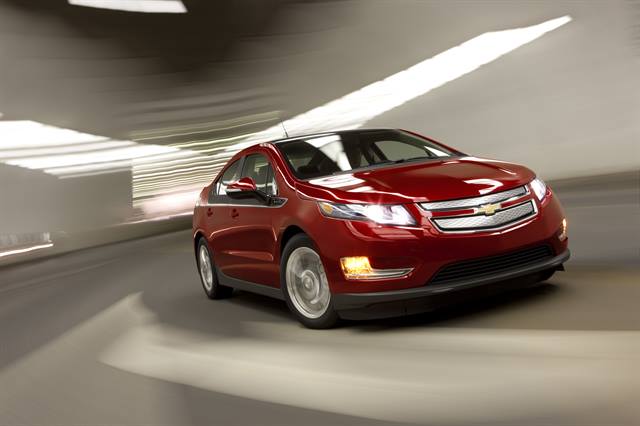
2012 Chevrolet Volt
But NHTSA added that it has developed some safety guidelines for electric-powered vehicles to assist emergency response workers, tow truck operators, storage facilities and motorists. These guidelines take into account that electric-powered vehicles have characteristics different than conventional vehicles – characteristics that can call for a different course of action when responding to a crash.
“Based on the available data, NHTSA does not believe that Chevy Volts or other electric vehicles pose a greater risk of fire than gasoline-powered vehicles. Generally all vehicles have some risk of fire in the event of a serious crash,” the agency said.
To develop the preliminary guidelines, NHTSA sought the assistance of the National Fire Protection Association, the Department of Energy and others.
More Green Fleet
The EV Breakdown Nobody's Talking About: Why Most Electric Vehicle Roadside Calls Aren't Mechanical Failures
Here's why EV breakdowns are widely misunderstood.
Read More →
ChargePoint Now Available in Energy Pass
ChargePoint and additional planned charging network integrations were added to GM's Energy Pass.
Read More →
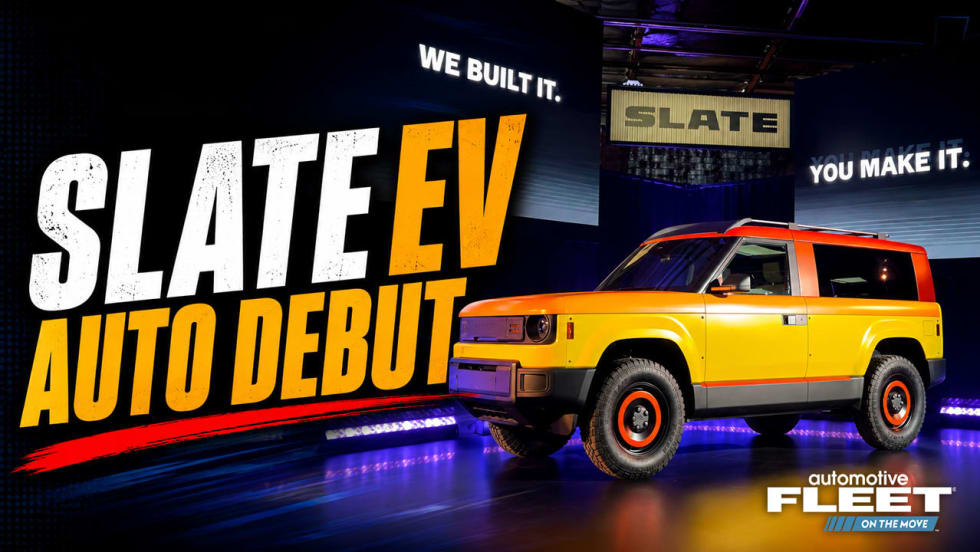
First Look: Slate Auto's Electric Fleet Pickup
Could an affordable, modular EV pickup make electrification more practical for fleets?
Read More →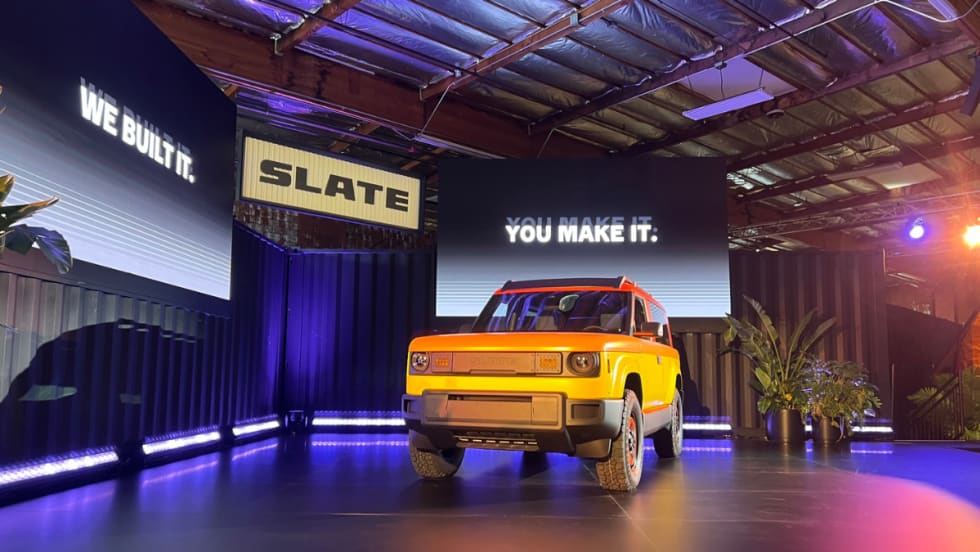
Slate Debuts Colorful, Unique EV Models
A recent media and client event, studded with electric vehicles dressed up on platforms, planted a new position for the manufacturer in the wider EV market. Fleets will find cost-saving advantages.
Read More →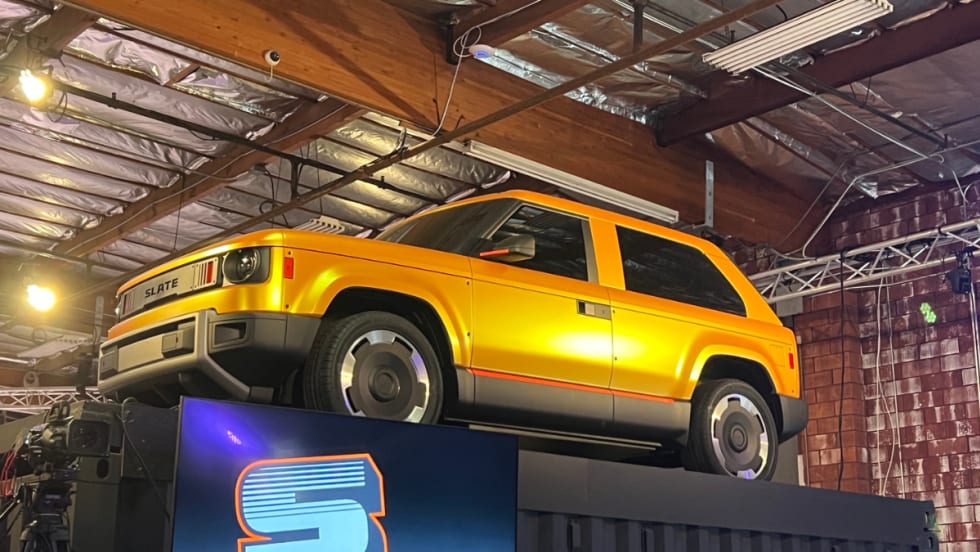
Slate Electric SUV, Pickup Switchable Model Aims For Light-Duty Fleets
Everything about this EV is counterintuitive and understated, making it stand out from the crowd.
Read More →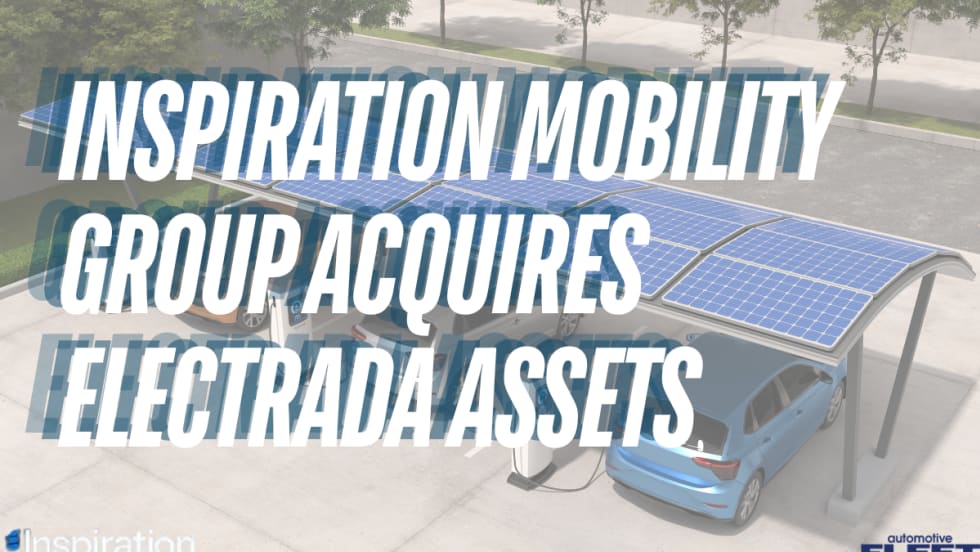
Inspiration Mobility Acquires Key Electrada Assets
Inspiration Mobility Group has acquired select assets of Electrada, adding the fleet electrification provider's team, technology, and charging infrastructure development capabilities to its energy management business.
Read More →
Turning Connected Vehicle Data Into Decisions That Matter
Fleet leaders have more data than ever, but turning that data into clear, actionable decisions remains a challenge. This white paper shows how leading organizations are using connected vehicle data to improve safety, reduce costs, and optimize fleet performance. Learn how to turn insight into action across your fleet.
Read More →
Are You Tracking Your Fleet's True Total Cost of Ownership?
Bobit Business Media surveyed 190 fleet professionals and found that while most fleets are tracking costs, fragmented systems and data gaps are keeping true TCO visibility out of reach. With rising pressure to control spend in an increasingly volatile environment, the gap between what fleets think they know and what the data actually shows is wider than you might expect. See how your peers are managing costs today and where the industry still has room to improve.
Read More →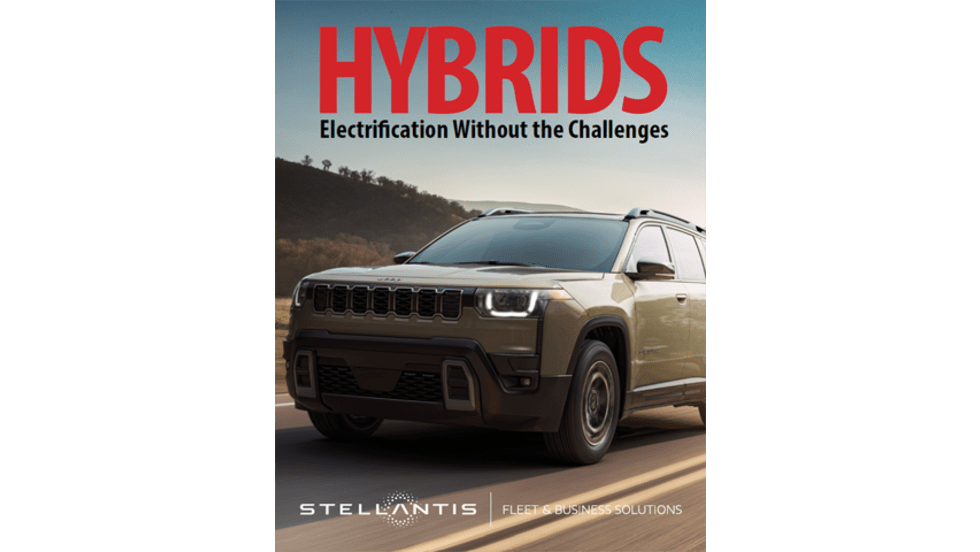
Hybrids: Electrification Without the Challenges
For fleet managers, fuel is one of the biggest line items in the budget — and it's one hybrids can shrink without changing how your people work. Download the eBook to see the numbers, understand the technology, and get a step-by-step guide to making the switch.
Read More →