




Newspaper Claims Free Cars for City Workers Cost Miami Millions
According to a two-month investigation by the Miami Herald newspaper, the city of Miami spends approximately $3 million per year on a take-home program that enables off-duty police officers and public officials to park their cars at home.
According to a two-month investigation by the Miami Herald newspaper, the city of Miami spends approximately $3 million per year on a take-home program that enables off-duty police officers and public officials to park their cars at home. Eighty-three percent of the 1,096 employees who drive city cars home (907) leave the city limits to get there. It also costs Miami taxpayers about $2.73 million per year in fuel, maintenance, depreciation, and insurance just to get its public servants to and from their homes. Currently, the city cannot touch take-home cars for 35 code enforcement inspectors, 74 fire officials and 863 police, who obtained cars through unions’ collective bargaining agreements, which must be dealt with in union negotiations, starting in March. The take-home program began to spread in the early 1990s, following a series of bad publicity stories over the condition of the fleet. By 1993, the union had negotiated the cars for all police officers regardless of where they lived. In return, officers agreed to give up a 2 percent pay raise that averaged about $14 per week. Today, the police fleet consists of more than 1,000 cars, up from 350 in 1992. Among them are 863 city-owned take-home cars.
More Operations

Gary Van Orden Retires After Nearly Four Decades in Commercial Fleet
From answering customer calls at Ford Motor Company to leading fleet sales across multiple OEMs and a fleet management company, Gary Van Orden's career reflects nearly four decades of leadership in commercial fleet.
Read More →
How Stellantis Plans to Get Ahead of Fleet Downtime
Vehicle acquisition may grab the headlines, but fleet uptime increasingly determines operating success. Darren Bradshaw of Mopar North America gives the details.
Read More →
Hyundai Releases 2027 Commercial Program Incentives
The 2027 Model Year "Fleet Street Incentives" are available to commercial and government fleets.
Read More →


It's All Downhill from Here! Fleet Industry Raises $22,000 for Skilled Trades Scholarships
Work Truck’s Lauren Fletcher and Automotive Fleet’s Chris Brown turned a friendly racing rivalry into $22,000 for automotive technology and skilled trades scholarships.
Read More →
The Top 300 Commercial Fleets
The Top 300 Commercial Fleets: See the List
Read More →

Your Local Dealer Knows More Than You Think
Your local dealer can provide an information advantage that extends well beyond courtesy deliveries.
Read More →
Fleet Meets: Austin Schutte
Here are some industry insights, personal touches, and words of advice from the CEO and Founder of Anew Solutions.
Read More →
Soap Box Derby Challenge: What’s Powering Team Brown
The car is coming together, the students are solving real build problems, and the fleet industry is helping push Team Brown toward the starting line.
Read More →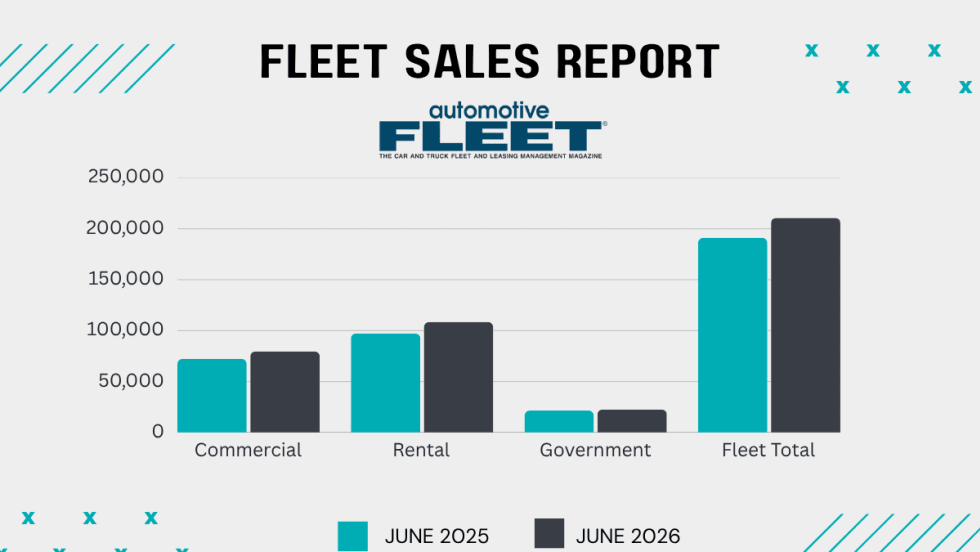
Commercial Fleet Sales Contribute To June, YTD Gains
The fleet sector has boosted its vehicle purchases at a reliable pace in the first half of this year compared with 1H 2025.
Read More →