




New York Rationing Gasoline After Storm Disrupts Fuel Supply
New York’s Governor Andrew Cuomo has ordered gasoline rationing for New York City and Nassau and Suffolk Counties to reduce lines at retail gas stations after the nor’easter storm disrupted power to a terminal served by the Buckeye pipeline.
New York’s Governor Andrew Cuomo has ordered gasoline rationing for New York City and Nassau and Suffolk Counties to reduce lines at retail gas stations after the nor’easter storm disrupted power to a terminal served by the Buckeye pipeline. New York City's Mayor Michael Bloomberg also issued a similar order, which will take effect at 6:00 a.m. on Friday Nov. 9.
According to Cuomo’s Nov. 8 statement, the rationing plans impose odd-even rules on the purchase of gasoline for non-commercial vehicles. Cuomo stated that Westchester, Rockland, and Orange will not have to implement fuel management rules at this time.
The rationing rules state that drivers with license plates ending in an even number will be able to buy fuel only on even-numbered days of the month. Drivers with license plates ending in an odd number will be able to buy fuel on only odd-numbered days of each month. License plates without numbers are considered odd-numbered under these rules. The Governor’s office stated that out-of-state plates are subject the same rules.
NYC's Bloomberg's order does not apply to authorized emergency vehicles, buses, paratransit vehicles, commercial vehicles, vehicles with Medical Doctor license plates, taxis, and other for-hire vehicles licensed by the New York City Taxi and Limousine Commission.
The Buckeye pipeline pumps roughly 4.5 million gallons of gasoline per day into New York City and Long Island. Although power to the terminal was restored on Nov. 8, the temporary outage disrupted the fuel supply. The Governor’s office stated that the fuel supply to the northern suburbs were unaffected by the terminal going offline.
You can read more of Automotive Fleet's coverage of the fuel supply challenges in the northeast here.
Updated 11/8/2012 at 4:00 p.m. PST with information about NYC rule.
More Fuel
Fuel Prices Surge in September | September Fuel Update
September brought major fuel price swings, including diesel crossing $6 a gallon. Here’s how gas and diesel prices changed throughout the month, and where they stood heading into October.
Read More →
Turning Fleet Payment Data into Executive Insights
Ramel Lindsay of U.S. Bank Voyager discusses how fleets can transform payment and transaction data into actionable intelligence to reduce costs, improve oversight, and support executive decision-making.
Read More →
Why the IRS Raised Its Mileage Rate in the Middle of 2026
Fuel-price volatility drove the rare increase to 76 cents per mile, the fifth midyear adjustment since 2000.
Read More →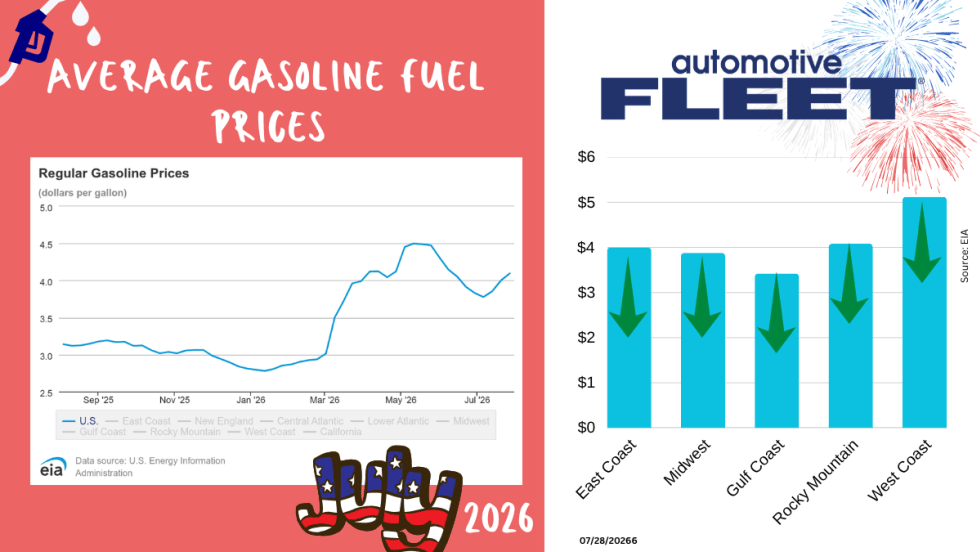
July Fuel Update: Prices Keep Rising in Light of More Conflict
Gas prices continue to rise as more and more conflicts do, too.
Read More →
Bob Adamsky on Fuel Volatility: "Don't Panic, Have a Plan."
When it comes to up and down fuel prices, Adamsky has a message for fleets: “Don’t panic.”
Read More →
How Fleets Can Gain Control of Non-Fuel Spend
Fuel often gets the spotlight, but non-fuel expenses can have a major impact on fleet costs. Ramel Lindsay of U.S. Bank Voyager discusses how fleets can gain better visibility and control over these often-overlooked expenditures.
Read More →
Fuel is Just the Start: How Middle East Tensions are Driving Up Fleet Maintenance Costs
The Middle East conflict is doing more than pushing up fuel prices. It’s also raising the cost of key maintenance products your fleet depends on, from motor oil to tires to windshield wipers. Here’s what you need to know about this budget-busting situation.
Read More →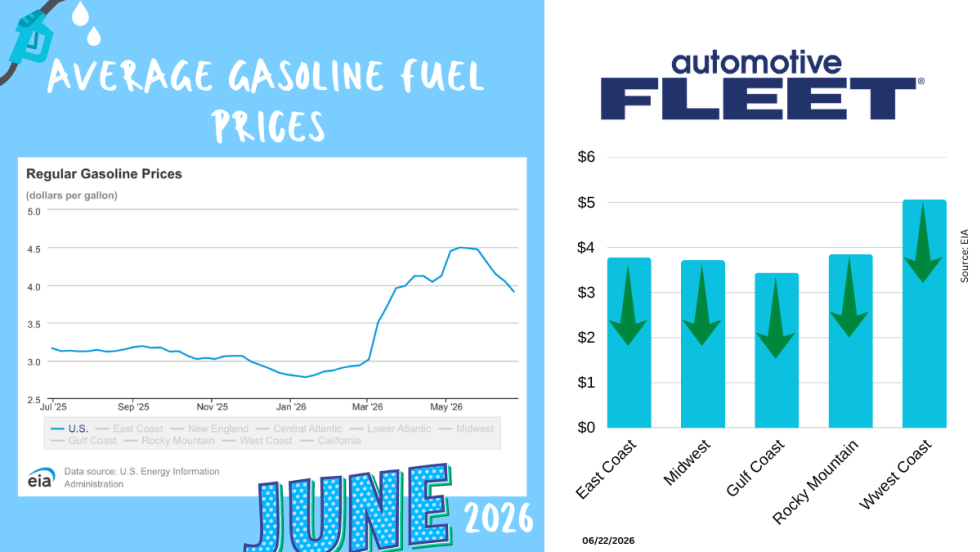
June Fuel Update: Prices Fall Below $4
Drivers are finally getting some relief at the pump. The national average gas price has dropped below $4 a gallon for the first time in months, with prices falling in 47 states as oil markets react to developments in U.S.-Iran negotiations.
Read More →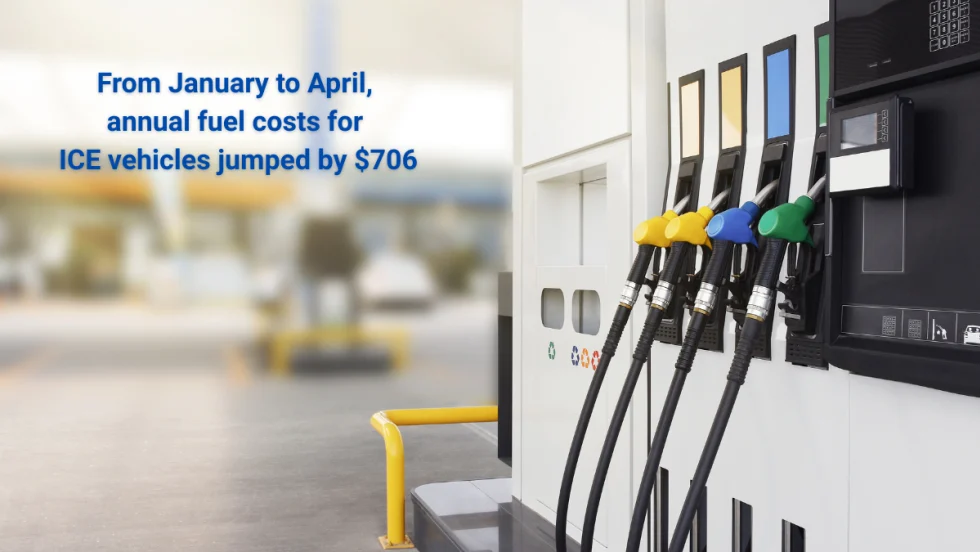
Study: How 2026's Gas Price Hikes Affect Different Vehicle Types
New data from iSeeCars reveals how rising fuel costs have affected different vehicle segments as gasoline prices climbed nearly 46% over the past four months.
Read More →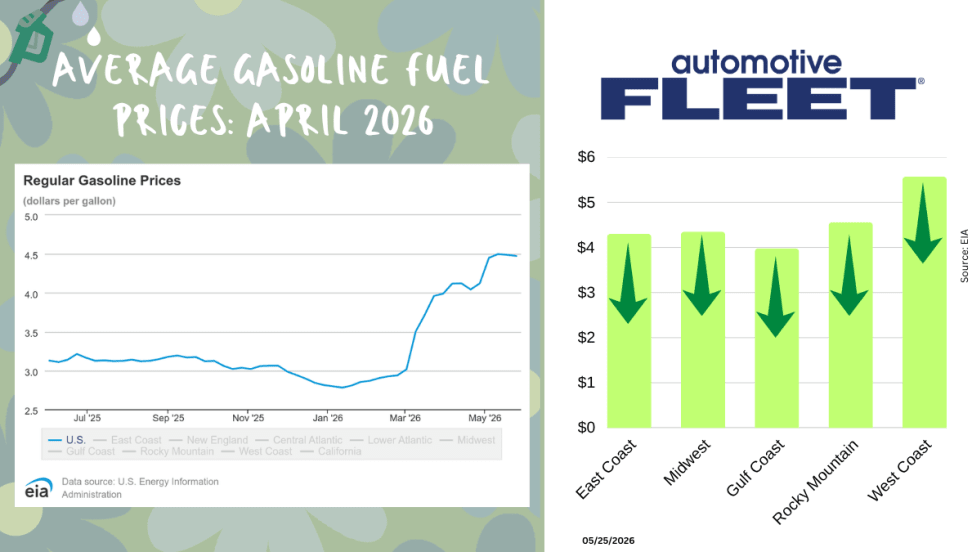
May Fuel Update: All Regions Experience Declines
Gas prices are finally easing in much of the country, but experts warn global tensions could quickly reverse the trend as the national average remains well above last month’s levels.
Read More →