




New Vehicle Supply Spikes, Affordability Surges
Inventory levels reach the highest point since June 2020 while the number of buyers who can afford a new vehicle is the best since June 2021.


Many domestic makes had the highest inventory. Brands with the lowest supply were Asian imports.
Source: Cox Automotive
February opened with 80 days of new-vehicle supply across the industry, the highest since June 2020, according to Cox Automotive’s analysis of vAuto Available Inventory data released Feb. 15.
At the start of February, the total U.S. supply of available unsold new vehicles was 2.61 million units. That is 870,000 units – or 50% – above a year ago. Inventory was down from 2.66 million at the start of January.
Day’s supply at the start of January hit 80, up 38% from the same time a year ago. The last time days’ supply crossed the 80-days mark was June 1, 2020, when it was 83 days’ supply.
The Cox Automotive days’ supply is based on the daily retail sales rate for the most recent 30-day period, which ended Feb. 5. Sales during that period ran 9% ahead of a year ago. For the full month of January, new-vehicle sales decreased to a 15 million seasonally adjusted annual rate (SAAR), the lowest sales pace since last March due partly to harsh winter weather that disrupted sales in what is typically the lightest sale volume month of the year.
Domestic Automakers Have Highest Inventory Levels
Many domestic makes had the highest inventory. Dodge had the highest of any make by a wide margin, followed by Chrysler, Lincoln and Ram. Brands with the lowest supply were Asian imports. Toyota had the lowest at 36 days of supply, followed by Honda, Lexus and Mazda. Cadillac was at the low end as well.
Of the top-selling 30 models, the ones with the lowest inventory were mostly Toyota and Honda models. The new Toyota Grand Highlander had the lowest, followed by the Ford Maverick, which comes standard as a hybrid. The new Chevrolet Trax was also at the low end.
At the other end of the spectrum, pickup trucks, led by the Ram 1500, and SUVs, led by the Ford Bronco Sport, had the highest inventory.
The average new-vehicle listing price opened February at $47,142, down 1% from a year ago. The average listing price rose throughout December 2023 and started January high, but prices began declining in the second week of January and have been dropping by almost 1% a week.
The U.S. new-vehicle average transaction price in January was $47,401, down nearly 4% from a year ago and down almost 3% from December 2023, according to Kelley Blue Book. (The month of December, when luxury vehicle sales typically surge, often sees a jump in average transaction prices.) Discounts and incentives in January averaged 5.7% of ATP, up from 5.5% in December and nearly 100% higher than a year ago.
New Vehicle List and Transaction Prices Dip
Trends in new-vehicle affordability factors moved in support of consumers in January, leading to better affordability compared to December and much improvement year over year, according to the Cox Automotive/Moody’s Analytics Vehicle Affordability Index.
“Just as new-vehicle affordability improved in January to its best level in over two years, access to auto credit moved in the other direction,” said Cox Automotive chief economist Jonathan Smoke in a news release. “Income growth continued while both the average new-vehicle price and the average interest rate declined making new vehicles more affordable. However, we saw credit access to auto credit decline to its lowest level since August 2020.”
The typical payment declined 3.2%, and the number of median weeks of income needed to purchase the average new vehicle declined to 37.5 weeks from an upwardly revised 38.8 weeks in December. The January number of weeks was the lowest since August 2021.
More Remarketing

Ford Pro Launches Certified Pre-Owned Program for Commercial Vehicles
Ford Pro Advantage will offer certified pre-owned Class 1-7 commercial vehicles through more than 700 Ford Pro Commercial Vehicle Centers.
Read More →
Copart to Acquire ACV in $1.9 Billion Deal
The acquisition would expand Copart beyond its traditional salvage business into dealer-to-dealer wholesale remarketing while adding ACV’s vehicle data, inspection, and valuation technology.
Read More →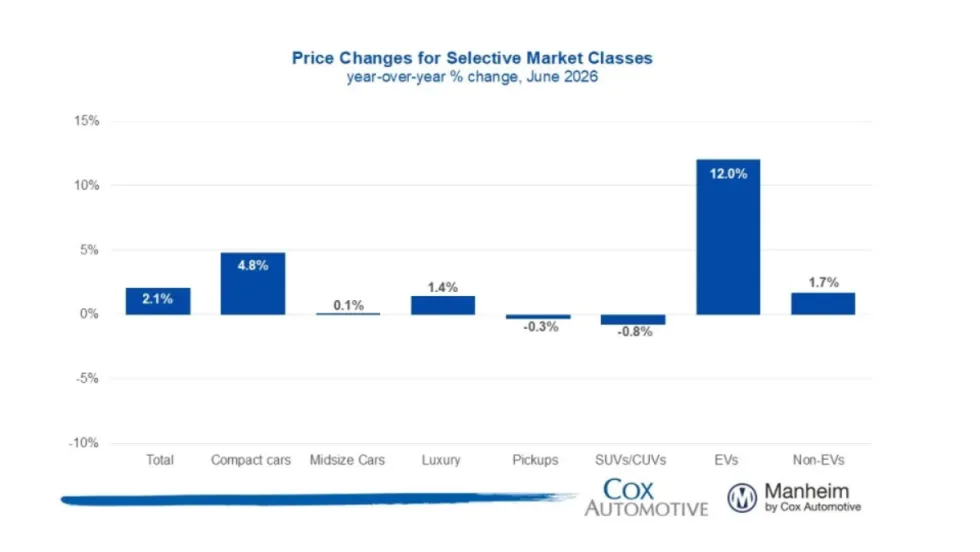
Manheim Index Shows Used-Vehicle Wholesale Prices Up 2.1% in June
The market is seeing stronger appreciation in older used vehicles this year, and the most affordable segments have been among the year’s best performers.
Read More →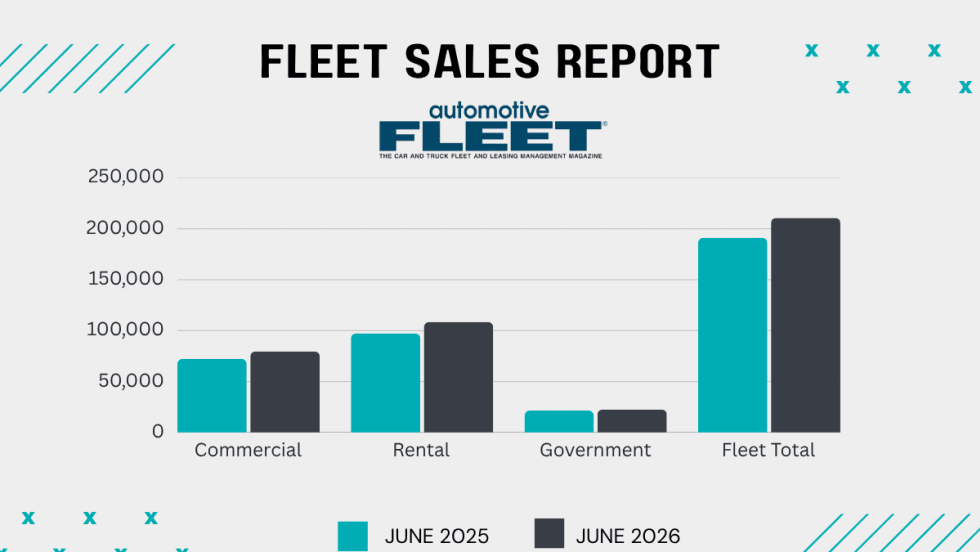
Commercial Fleet Sales Contribute To June, YTD Gains
The fleet sector has boosted its vehicle purchases at a reliable pace in the first half of this year compared with 1H 2025.
Read More →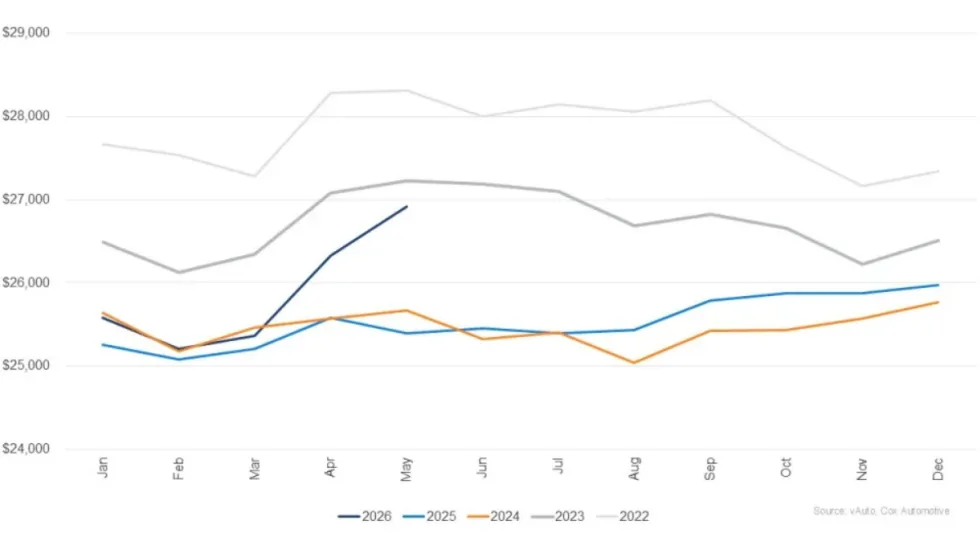
Used Vehicle Prices Climb Higher As Sales Pace Slows
The higher prices at used retail reflect strong wholesale values earlier in the spring, particularly for older, more affordable vehicles.
Read More →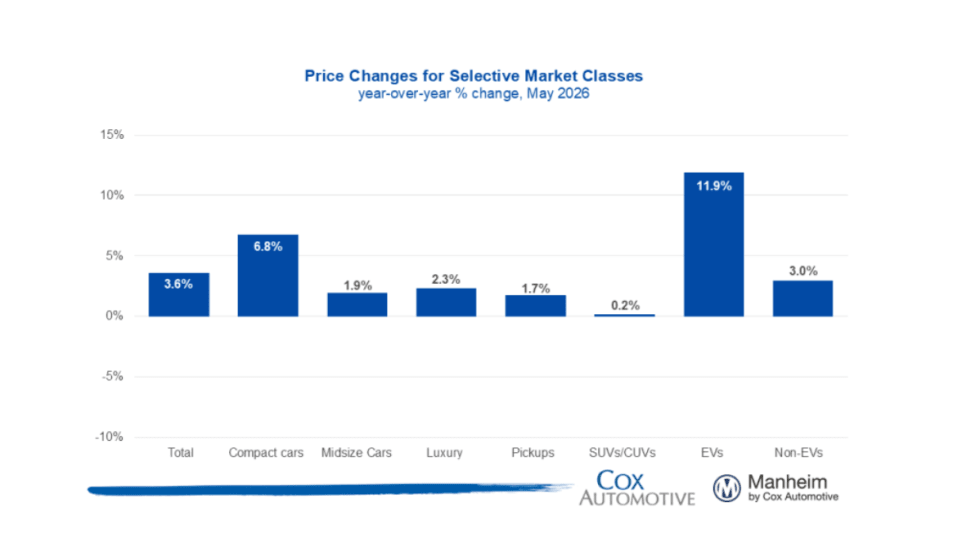
Wholesale Used Vehicle Market Sustains Moderate Rise In Values, Prices
Trends continue to normalize after a strong start to the year, as consumers contend with higher gas prices in the coming summer months.
Read More →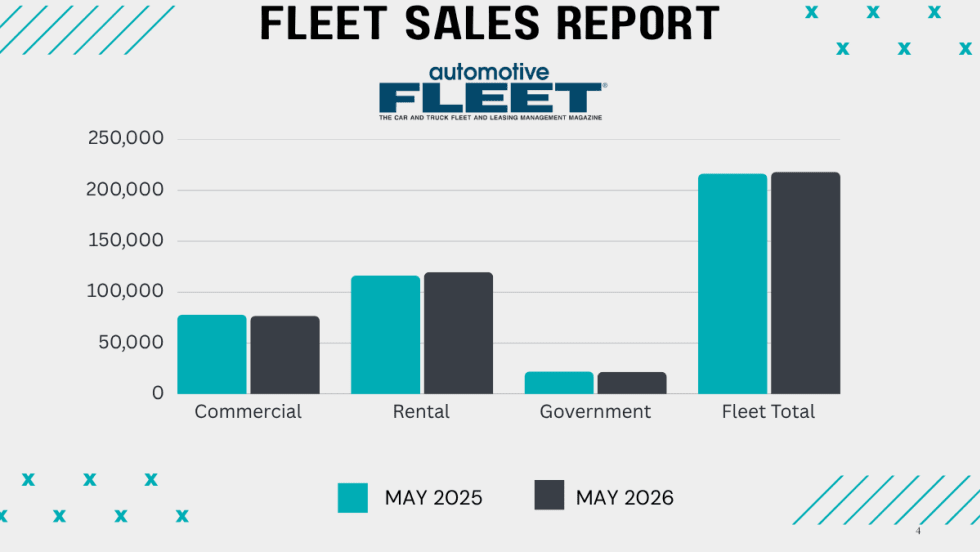
Commercial Fleet Sales Still Lead Sectors Despite May Mini Dip
The U.S. economy's continued growth and positive business investment are creating a favorable environment for fleet vehicle demand.
Read More →
How Connected Vehicle Data Is Lifting Fleet Resale Values
A vehicle health score could improve the value of fleet vehicles at remarketing. The path to a universal standard is forming, and fleets that understand the process early will be better positioned when it arrives.
Read More →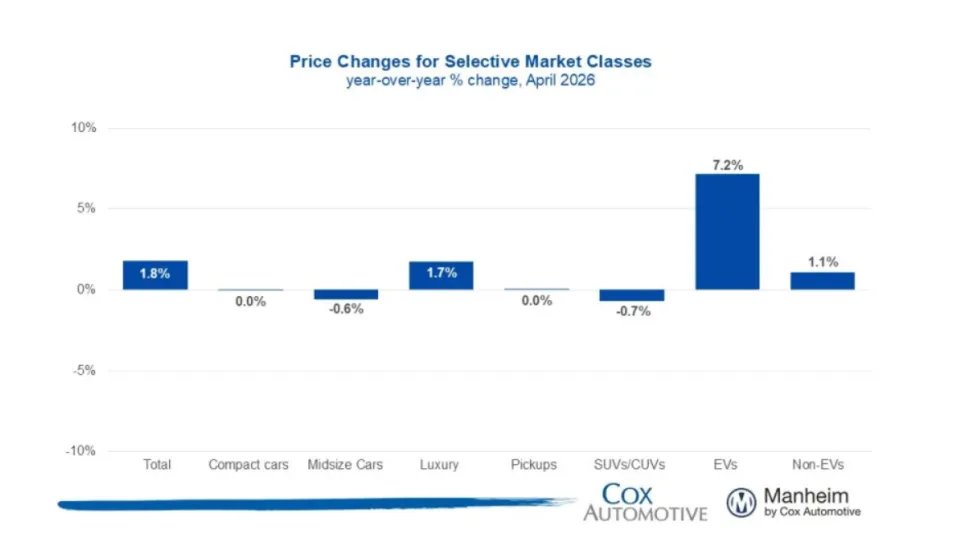
Wholesale Used Vehicle Prices Slightly Up In April
The Iranian conflict and rising gas prices inject much uncertainty into the future wholesale used vehicle markets, as higher gas prices soak up spendable income from vehicle buyers.
Read More →
CAR2026: James McKinley Wins Value Champion of the Year
James McKinley of City Rent a Truck was named the inaugural Fleet Value Champion at the CAR Conference for his data-driven approach to fleet lifecycle management and vehicle remarketing.
Read More →