




Author Bio: Reid Zaritsky is Senior Vice President of Capital Auto Auction, a family-run business since 1988 that focuses on finding the right vehicles for families of all sizes. Zaritsky has been with the company since 2009 and has a background in science and engineering.
When Should a Fleet Repair Vehicle Damage Before Remarketing?
Not every dent, scratch, or mechanical issue is worth fixing before selling a fleet vehicle. Learn how to weigh repair costs, resale value, market demand, and downtime to determine when reconditioning pays off and when selling as-is makes more sense.
by Reid Zaritsky, Capital Auto Auction
October 21, 2026
Not every dent or scratch is worth repairing before remarketing. Fleet operators should weigh repair costs against the potential increase in resale value before investing in reconditioning.
Credit:
Envato | by mstandret
6 min to read
- Evaluating repair costs against potential increases in resale value aids in deciding whether vehicle reconditioning is financially beneficial.
- Considering market demand can help determine if repairing vehicle damage will enhance attractiveness to potential buyers.
- Weighing repair time and associated downtime is crucial in deciding whether to fix vehicle damage before remarketing.
*Summarized by AI
Fleet vehicles accumulate wear and damage throughout their service lives. Scratches, dents, worn interiors, mechanical issues, and more significant body damage can all affect a vehicle by the time it is ready for remarketing. Before scheduling repairs, however, fleet operators should determine whether the work is likely to deliver a worthwhile return.
Deciding what to repair before remarketing a vehicle isn't always straightforward. Fixing certain issues may help bring in a better price, but spending money on repairs doesn't automatically mean the fleet will see that investment come back when the vehicle sells. Sometimes, leaving a little wear and tear alone is the smarter financial decision.
The decision should account for repair costs, vehicle age and condition, expected resale value, market demand, and the time required to complete the work.
Start With the Economics of the Repair
The first step is comparing the cost of a repair with its potential effect on remarketing proceeds. Fleet operators can begin by estimating the vehicle’s value in its current condition and comparing it with its potential value after repairs.
For example, spending $2,000 on bodywork would be difficult to justify if the repair is projected to add only $1,000 to the vehicle’s resale value. If the same repair is expected to substantially improve the vehicle’s marketability and generate proceeds that exceed the investment, completing the work may be worthwhile.
The calculation should also leave room for uncertainty. An initial estimate may change once a technician or body shop begins the repair and discovers additional damage. The potential increase in resale value should provide enough benefit to justify that risk.
A repair that makes sense for one vehicle may be a waste of money on another. The key is understanding what buyers are likely to pay for the vehicle, both with and without the work.
Consider Vehicle Condition and Buyer Expectations
Not all damage should receive the same consideration. Problems affecting safety, operation, or basic functionality may carry greater weight than minor cosmetic imperfections.
Depending on the vehicle, issues involving tires, wheels, glass, lighting, mechanical components, or significant body damage may affect how buyers evaluate it. Fleet operators should identify these concerns separately from normal wear such as small scratches, dents, scuffs, or interior blemishes.
Buyer expectations also matter. An older commercial vehicle with significant mileage is unlikely to be judged by the same cosmetic standards as a newer, low-mileage unit. Attempting to correct every sign of normal use can result in over-reconditioning, where the fleet spends more preparing the vehicle for sale than it can reasonably expect to recover.
A relatively new, low-mileage vehicle that has been well maintained may have more resale value to protect. Repairing noticeable damage could help the vehicle better reflect its otherwise strong condition. Spending heavily on an older, high-mileage unit with substantial wear or additional maintenance needs may produce a smaller return.
Vehicle specifications and duty cycles can also influence depreciation. A commercial vehicle that has accumulated demanding service hours or operated under difficult conditions may be evaluated differently from a similar vehicle used for lighter duties.
Before approving cosmetic work, consider whether a buyer would actually pay more for the vehicle once it's completed. A few scratches or dents may not matter much on an older commercial truck, especially if the vehicle is mechanically sound and otherwise ready for its next job.
Factor in Vehicle Type and Market Demand
Remarketing decisions also depend on what buyers are looking for at the time of sale. A vehicle in demand may retain considerable value despite some wear, while a vehicle with limited buyer interest may not generate enough additional proceeds to justify extensive repairs.
Vehicle type and specifications can be especially important in commercial remarketing. Specialized trucks and vocational vehicles may appeal to buyers based on their configuration and suitability for a particular job. For example, buyers looking at box trucks at auction may consider mileage and body condition alongside cargo configuration, mechanical condition, and how well the vehicle fits their intended use.
Fleet operators should consider these buyer priorities before investing in reconditioning. Cosmetic improvements that matter for one vehicle category may have less influence on another, particularly when functionality, equipment, or specifications are more important to prospective buyers.
Account for Downtime and the Cost of Delaying the Sale
The invoice from the repair facility represents only part of the cost of reconditioning. Time also has value.
Obtaining estimates, waiting for parts, scheduling technicians, completing bodywork, and conducting final inspections can delay disposition. If repairs take longer than anticipated, the fleet may continue carrying an asset it had planned to remove from service.
Timing can be particularly important when market conditions are favorable or when a fleet follows a structured replacement schedule. Delaying a sale to complete relatively minor work may not make financial sense if the expected increase in value is limited.
Repair capacity should also factor into the decision. When shops or technicians are already operating near capacity, using those resources for minor reconditioning may be less valuable than prioritizing vehicles needed for active fleet operations.
Avoid Over-Repairing by Managing Vehicle Condition
A vehicle does not always need to look new to produce a strong remarketing result. In some cases, extensive cosmetic work can reduce the fleet’s net return rather than improve it.
Buyers may be willing to accept normal commercial wear, particularly on older or higher-mileage vehicles. Some buyers may also plan to complete additional reconditioning according to their own standards. Spending heavily on cosmetic repairs before a sale can therefore duplicate work the next owner intends to perform.
Repair quality matters as well. Low-quality body or cosmetic work may need to be corrected later, limiting or eliminating the value the fleet expected to gain from the original repair.
The condition of a vehicle at remarketing also depends on how it was maintained throughout its service life. Routine inspections and preventive maintenance can help identify problems while vehicles are still in operation. Drivers can also play an important role by promptly reporting damage and mechanical concerns rather than allowing small problems to go unnoticed until disposition.
Clear standards for acceptable wear can make this process more consistent. Fleets can establish expectations for reporting body damage, interior damage, warning lights, tire issues, and other concerns that could affect vehicle condition.
Addressing appropriate problems during a vehicle’s service life may also reduce the amount of deferred work discovered immediately before remarketing. At the same time, fleets should avoid performing unnecessary cosmetic repairs simply because a vehicle is approaching replacement.
Build a Consistent Repair-or-Sell Decision Process
Although every vehicle should be evaluated individually, a consistent process can help fleet managers make repair decisions based on comparable information.
Start by inspecting and documenting the damage. Obtain a realistic repair estimate, then determine the vehicle’s approximate value in its current condition and its expected value after the proposed work. Any likely downtime and indirect expenses should also factor into the overall cost of completing the repair.
Next, consider the vehicle’s age, mileage, maintenance history, specifications, and overall condition. Market demand and buyer expectations can then help determine whether completing the repair is likely to produce enough additional value to justify the investment.
Documenting these decisions can also help fleets evaluate their remarketing practices over time. Comparing repair spending with actual sale results may help fleets identify which types of reconditioning tend to produce worthwhile returns and which expenses may be unnecessary on future vehicles.
The goal isn't to return every outgoing fleet vehicle to like-new condition. It's to determine which repairs are worth the investment and which vehicles are better sold as-is. A vehicle doesn't have to be perfect to bring a good price, but the money spent getting it ready for sale should make financial sense.

Credit:
Vehicle Remarketing | Automotive Fleet | Capital Auto Auction
Quick Answers
Consider the repair costs, potential impact on resale value, current market demand for the vehicle type, and downtime associated with performing repairs.
*Summarized by AI
Originally posted on Vehicle Remarketing
Subscribe to Our Newsletter
More Remarketing
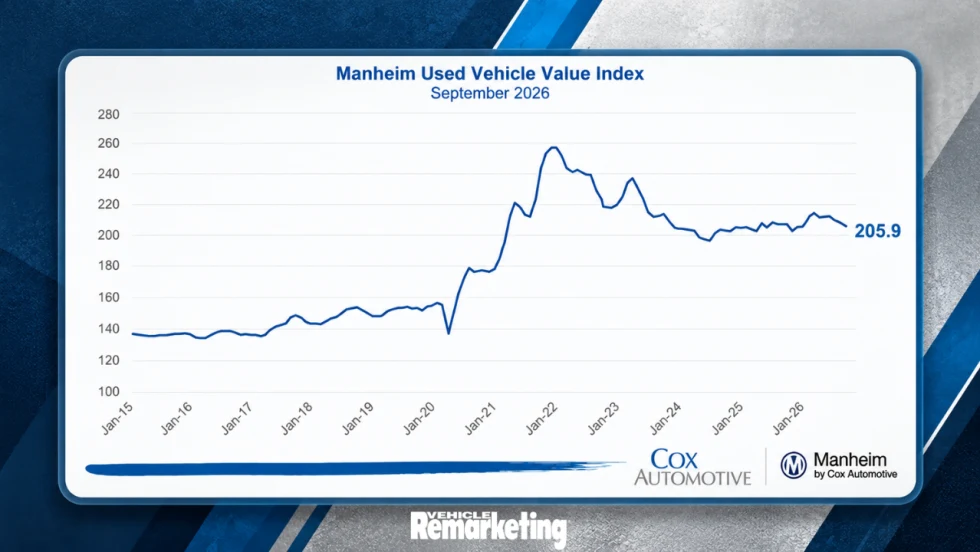
Wholesale Used-Vehicle Values Fall as Cox Automotive Cuts 2026 Forecast
Wholesale used-vehicle prices declined in September as depreciation accelerated, prompting Cox Automotive to lower its year-end forecast.
Read More →
FLD Promotes Three Executives in Leadership Changes
FLD has promoted three longtime executives, naming Gary Mott CEO, Richard Mallek president, and Ron Sanders managing partner.
Read More →
Ford Pro Launches Certified Pre-Owned Program for Commercial Vehicles
Ford Pro Advantage will offer certified pre-owned Class 1-7 commercial vehicles through more than 700 Ford Pro Commercial Vehicle Centers.
Read More →
Copart to Acquire ACV in $1.9 Billion Deal
The acquisition would expand Copart beyond its traditional salvage business into dealer-to-dealer wholesale remarketing while adding ACV’s vehicle data, inspection, and valuation technology.
Read More →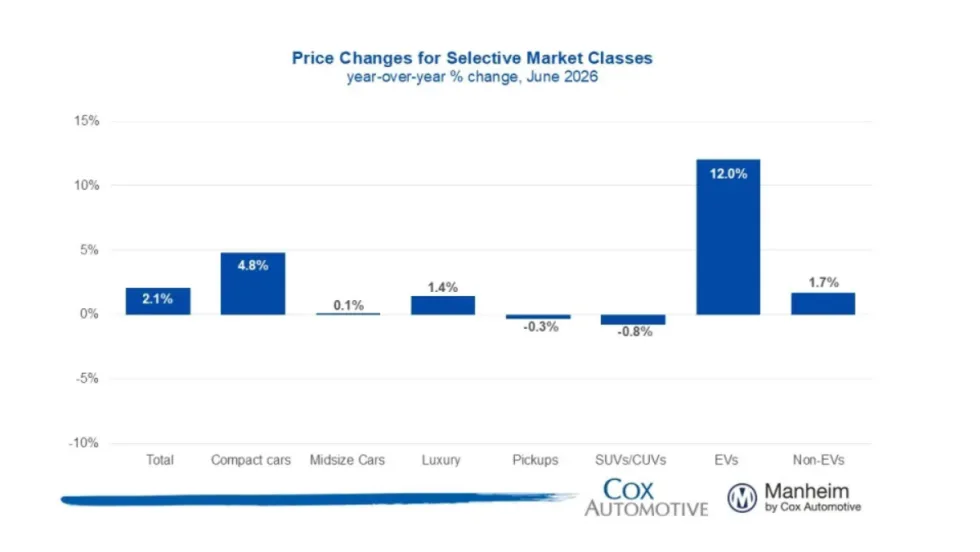
Manheim Index Shows Used-Vehicle Wholesale Prices Up 2.1% in June
The market is seeing stronger appreciation in older used vehicles this year, and the most affordable segments have been among the year’s best performers.
Read More →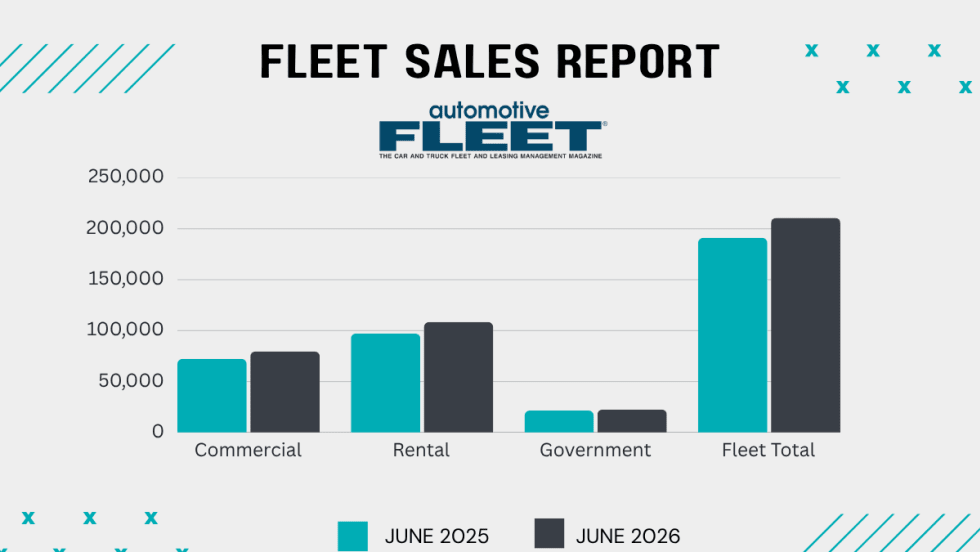
Commercial Fleet Sales Contribute To June, YTD Gains
The fleet sector has boosted its vehicle purchases at a reliable pace in the first half of this year compared with 1H 2025.
Read More →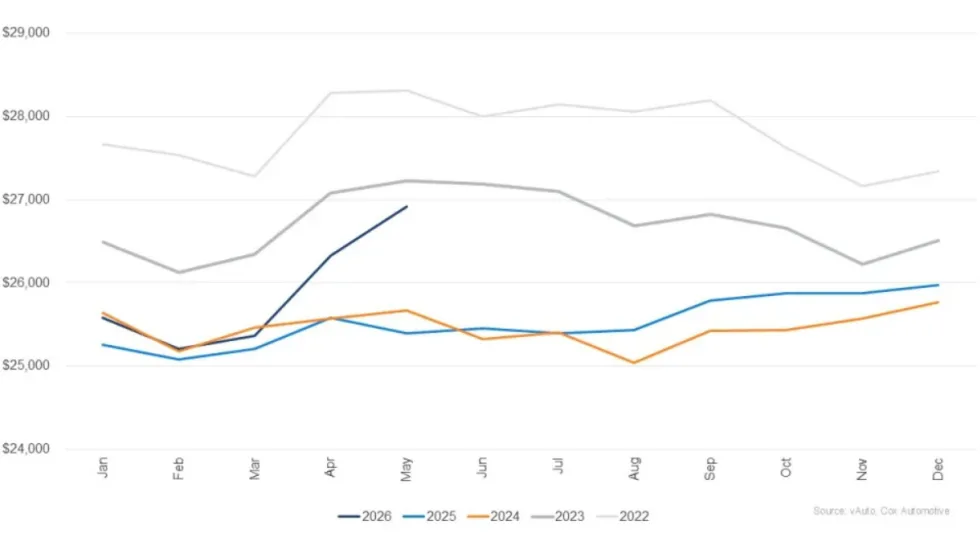
Used Vehicle Prices Climb Higher As Sales Pace Slows
The higher prices at used retail reflect strong wholesale values earlier in the spring, particularly for older, more affordable vehicles.
Read More →
Wholesale Used Vehicle Market Sustains Moderate Rise In Values, Prices
Trends continue to normalize after a strong start to the year, as consumers contend with higher gas prices in the coming summer months.
Read More →
Commercial Fleet Sales Still Lead Sectors Despite May Mini Dip
The U.S. economy's continued growth and positive business investment are creating a favorable environment for fleet vehicle demand.
Read More →
How Connected Vehicle Data Is Lifting Fleet Resale Values
A vehicle health score could improve the value of fleet vehicles at remarketing. The path to a universal standard is forming, and fleets that understand the process early will be better positioned when it arrives.
Read More →