





Read More: 7 Ways to Develop & Implement an Effective Fleet Safety Program
New Solution Aims to Reduce Accidents by Identifying Hotspots for Drivers
Accident Advisor is a new collision avoidance tool focused on reducing risk in high-crash areas.
November 18, 2022
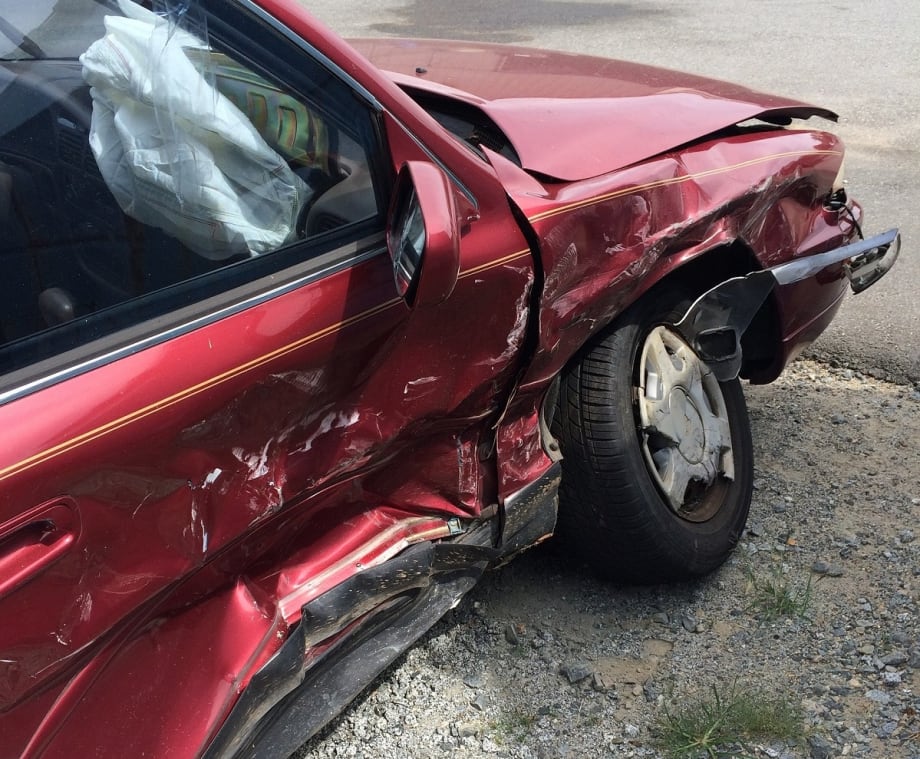
Accident Advisor is the result of collaboration between TNEDICCA, a leader in traffic crash data and location risk analytics, and Ohio Mutual Insurance Group.
Photo: pixabay.com
2 min to read
Accident Advisor is a new solution that aims to help drivers avoid collisions by steering clear of accident hotspots. The tool is the result of collaboration between TNEDICCA, a leader in traffic crash data and location risk analytics, and Ohio Mutual Insurance Group.
Powered by TNEDICCA’s proprietary crash database of more than 30 million crashes, Accident Advisor lets Ohio Mutual’s members identify local crash hotspots specific to their home and commuting area using a map. The hotspots are accurate because they are based on geographic location data linked to collisions from police reports.
The goal of the solution is to help policyholders stay safer on the road by either avoiding crash hotspots and/or exercising additional caution in these high-risk areas. Essentially, Accident Advisor is a unique solution for the auto insurance industry as it focuses on accident reduction versus the traditional approach of risk assessment.
Historically, insurance companies use location-based crash risk scores to assess risk and improve pricing models. Many carriers incorporate location risk through territories into their pricing. These territory definitions are usually derived from garaging addresses based on their own loss experience or though a consortium exchange of competitive loss data. Some sophisticated carriers may even use population density, proximity to high-traffic locations, and more to further refine rating territories into smaller geographical units.
The problem is that these sources and methods only paint a partial picture of high-risk crash areas because of limited access to industry-wide loss history. In addition, the nation’s roads and infrastructure are constantly changing — with some becoming safer while others become more prone to automotive crashes.
TNEDICCA has taken up the tedious task of collecting and curating detailed comprehensive crash data and has been focused on building crash risk scores based on geocoded crash locations that have not been available in the past. Accident Advisor uses this powerful crash data to empowers drivers, reduce risk on the road, and improve safety.
An estimated 42,915 people died in motor vehicle traffic crashes nationwide in 2021 alone, according to the National Highway Traffic Safety Administration.
More Safety

What’s Next for Fleet? Safety, AI & Industry Recognition | AF News Recap
Could your company's culture be encouraging distracted driving? This week, we're exploring how workplace expectations affect driver safety, what AI, EVs, and autonomous vehicles could mean for the future of fleet management, and how fleet professionals can strengthen their award nominations.
Read More →
Does Your Fleet's Culture Encourage Distracted Driving?
What happens when the people responsible for enforcing safety rules are the ones setting the wrong example? The answer may reveal why some of the biggest risks to fleet drivers have little to do with what's written in the employee handbook.
Read More →
Sponsored•October 1, 2026
Fleet Manager’s Ultimate Playbook: Navigating the New Standard in OEM Connectivity
Rising operating costs, driver safety concerns, and unplanned downtime are putting unprecedented pressure on modern fleets. Discover how fleet managers use embedded OEM connectivity and real-time vehicle data to cut TCO, prevent downtime, and protect drivers without aftermarket telematics hardware.
Read More →
From Driver Well-Being to EV Charging | AF News Recap
Mental health belongs in the fleet safety conversation. This week, we’re looking at five ways fleets can support employee well-being before a crisis, plus Holman’s expansion in Mexico, new one-day Fleet Forward passes, and why EV charging demand is outpacing infrastructure growth.
Read More →
Nexar-Nauto Merger Aims to Give Fleets Better Safety Intelligence Through Larger Driving Dataset
Stefan Heck tells Automotive Fleet that combining more than 10 billion miles of driving history with Nexar's AI models will give fleets deeper insights into driver risk and roadway conditions than either company could provide independently.
Read More →
Don't Wait for a Crisis: 5 Ways to Build Mental Health Into Your Fleet Safety Program
For Suicide Prevention Month, fleet and safety leaders have an opportunity to put mental health where it belongs: at the center of workplace safety.
Read More →
How Camera Data Can Strengthen a Fleet’s Insurance Renewal
Insights from a commercial insurance carrier and a broker show how fleets can turn video telematic data, driver coaching, and improved claims results into a stronger case at insurance renewal.
Read More →
The Safest Fleets Aren’t the Ones with the Most Technology
You’ve made the telematics investment. Here’s how to capture the other half of its value and build the safest fleet on the road.
Read More →
Sponsored•August 7, 2026
Hidden in Plain Sight: Fleet Compliance Risks
Fleet compliance isn't just about having policies — it's about consistently enforcing them. This practical guide reveals six hidden compliance risks common in public sector and shared fleet operations and outlines proven strategies to improve visibility, accountability, and audit readiness
Read More →
NETS Sets 2026 Fleet Safety Benchmark Conference for Indianapolis
The Sept. 15–17 program will feature fleet benchmarking data, case studies, emerging technologies, and implementation strategies while running alongside the NSC Safety Congress & Expo.
Read More →