




New Safety Study Finds 34% More Drivers Maintain Better Control With Electronic Stability Control
Robert Bosch Corporation, a member of the Electronic Stability Control Coalition, announced the results on March 8 of a newly published research study by the University of Iowa that concludes 34 percent more drivers maintain control of vehicles with Electronic Stability Control (ESC) than drivers without ESC.
Unveiled at the SAE 2004 World Congress, the research study delivers evidence supporting the effectiveness of ESC. In conjunction with the Electronic Stability Control Coalition and the University of Iowa, the ESC study was implemented by employing the National Advanced Driving Simulator (NADS), which is owned by the National Highway Traffic Safety Administration (NHTSA). During the study, researchers at the University of Iowa were able to study drivers during true-to-life critical driving scenarios that would normally lead to a loss of control. "ESC is an active safety technology that can help a driver maintain control of the vehicle and reduces the danger of skidding and rollover accidents," said Wolfgang Drees, member of the board of management, Robert Bosch GmbH. "The results of this study reflect similar data from international observational studies that ESC does in fact help to save lives." Previous international observational studies — from Mercedes and Toyota — have shown that ESC could help prevent up to 50 percent of single-vehicle crashes. The University of Iowa's study compared driver performance during three selected loss-of-control scenarios — lane departure, curve departure, and wind gust — between two vehicles equipped with an ESC system and the same vehicles with the system off. The results show that vehicles equipped with ESC systems provide a significant safety benefit: 34 percent more drivers were able to maintain control of vehicles equipped with ESC than without ESC. First manufactured by Bosch in 1995, ESC — or electronic stability program (ESP) as it is called by Bosch — is a milestone in automotive safety. The company has produced more that 10 million ESP systems worldwide, and estimates approximately six percent of U.S. vehicles are equipped with ESP today. ESC is an active safety technology that uses microelectronics to help drivers maintain control of their vehicle and prevent crashes before they occur. The system detects when a driver is about to lose control of a vehicle and automatically intervenes to provide stability and help the driver stay on course. ESC is marketed under various trade names. "This research, the first hi-fidelity simulator-based analysis of driver response to vehicles with and without Electronic Stability Control, changes the automotive safety landscape," said University of Iowa researcher Dr. Yiannis Papelis, one of the leading researchers on the study. "Using the National Advanced Driving Simulator allowed us to observe human behavior and measure drivers' reactions in conditions that would be too dangerous to conduct in real life. The results found ESC can reduce the risk of losing control by as much as 88 percent, which equates to an increase of 34 percent in the number of drivers who maintained control of their vehicles with the ESC system activated." The ESC Coalition was established in 2003 to inform consumers and other key audiences about the benefits of ESC systems. It is a joint effort of two of the largest automotive technology suppliers, Robert Bosch Corporation and Continental Teves. Both companies are working together to increase the general awareness of this potentially life saving technology.
More Operations

Moventum Fleet Management Names Mark Iorillo Head of Sales
Iorillo brings nearly 20 years of fleet management and sales experience to the role, including previous positions at Element Fleet Management, CEI, Donlen and Ryder.
Read More →
Fleet Has a Talent Pipeline Problem. What Comes Next? | AF News Recap
Where will fleet’s next generation of leaders come from? This week, we’re looking at the industry’s talent pipeline, what certification can add to a fleet career, how to build an award-worthy track record, and the return of Automotive Fleet’s Personal Use Survey.
Read More →
Smith System Launches Driver Risk Management Program
Fleets have more driver data than ever, but identifying risky behavior doesn't necessarily correct it. Smith System's new Driver Risk Management program combines monitoring, training, and follow-up coaching to help fleets connect risk signals with driver intervention.
Read More →
Automotive Fleet Opens 2026 Personal Use Survey for Commercial Fleet Managers
Less than two weeks left! Commercial and corporate fleet managers are invited to share how their organizations handle company vehicle personal-use policies, charges, and driver eligibility.
Read More →
From AI Prompts to AI-Generated Safety Songs | AF News Recap
Can better prompts make AI more useful for fleet managers? This week, we’re breaking down smarter fleet analysis, an AI-assisted experiment that turned safety training into music, and what happened to fuel prices in August.
Read More →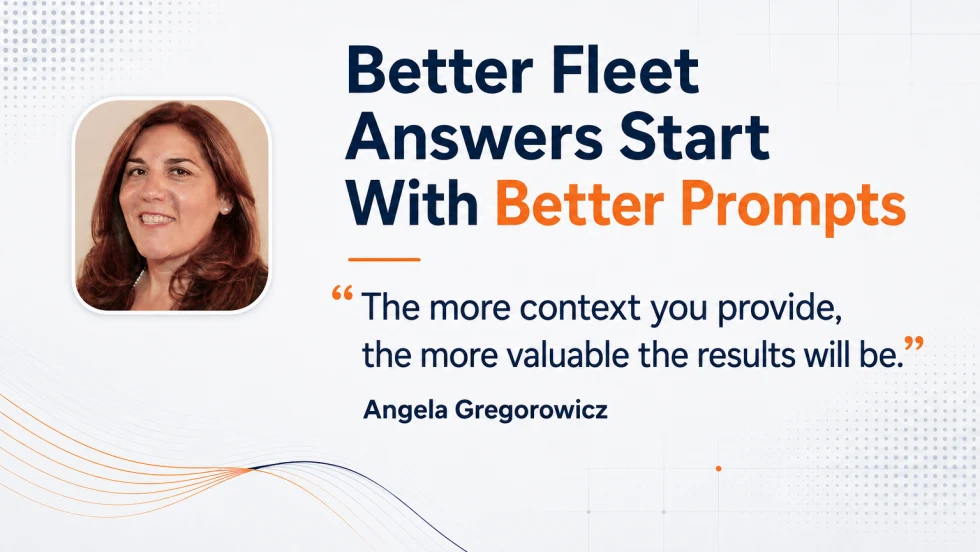
How to Write Better AI Prompts for Fleet Analysis
Include these six elements in your fleet prompts to generate more relevant analysis and accurate answers.
Read More →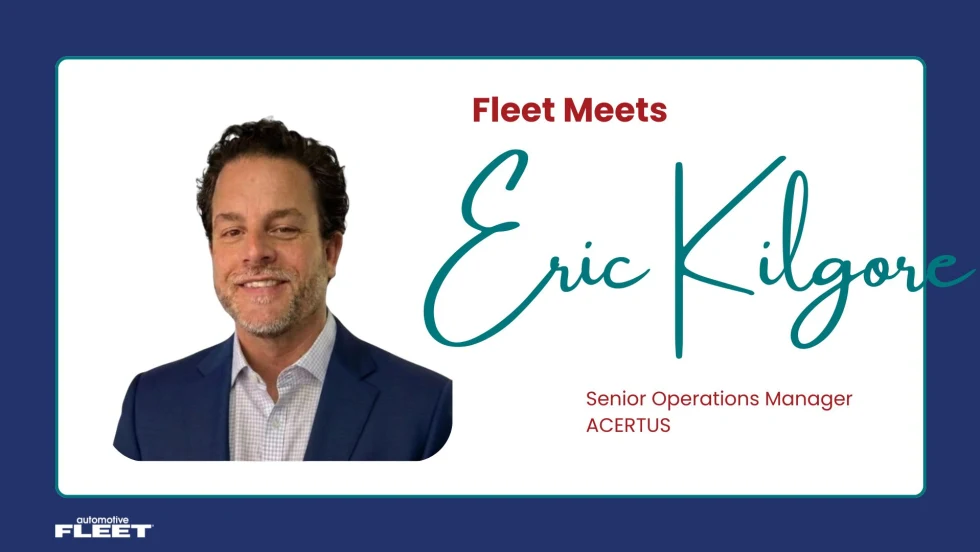
Fleet Meets: Eric Kilgore
This edition of the Fleet Meets series features one of the industry's best leaders driving multi-market and national operations.
Read More →
Why Reactive Fleet Management Is Becoming Too Expensive to Sustain
Research highlights a growing need for proactive management strategies to address rising costs in fleet operations effectively.
Read More →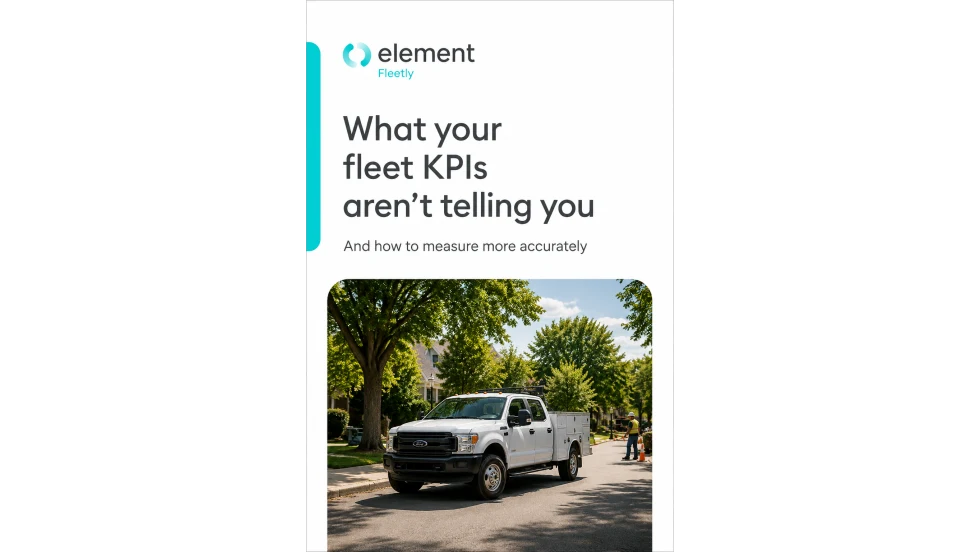
What Your Fleet KPIs Aren’t Telling You
Tracking fleet metrics is only useful when the data leads to better decisions. This guide helps fleet leaders assess cost, utilization, and downtime more accurately, identify performance gaps, and prioritize the actions that can improve operational results.
Read More →
Hidden in Plain Sight: Fleet Compliance Risks
Fleet compliance isn't just about having policies — it's about consistently enforcing them. This practical guide reveals six hidden compliance risks common in public sector and shared fleet operations and outlines proven strategies to improve visibility, accountability, and audit readiness
Read More →