




New Plan Seeks to Bolster California's Alt-Fuel Use
SACRAMENTO, Calif. -- The California Secure Transportation Energy Partnership (CalSTEP) last week unveiled a plan intended to increase California's energy efficiency and alternative fuel use by 2020.
SACRAMENTO, Calif. -- The California Secure Transportation Energy Partnership (CalSTEP) last week unveiled a plan intended to increase California's energy efficiency and alternative fuel use by 2020. The CalSTEP Action Plan, developed over the past 18 months, aims to grow the economy while reducing greenhouse gas emissions. CalSTEP is a partnership of industry, government, academic and non-profit leaders from automakers to conservation groups. The multi-year plan targets three key areas: increasing vehicular efficiency, diversifying the state's fuel supply, and reducing the overall need to drive. The CalSTEP plan makes 10 key action recommendations to achieve the overall goals of reducing petroleum use by 15 percent, and increasing alternative fuel use to 20 percent. "I applaud the serious efforts of this diverse group to craft these recommendations for California's energy future," said Assembly Speaker Fabian Núñez (D-46th District). "California must be the leadership state in developing new transportation technologies and cleaner fuels. I will introduce legislation this spring to specifically launch one of its recommendations -– to create a California program to support alternative fuels and efficient vehicle development and use." The announcement came at the headquarters of the Sacramento Regional Transit District (RTD), which provides clean, efficient travel and commute options including rail and natural gas fueled buses. RTD General Manager and CEO Beverly Scott is a CalSTEP partner. "CalSTEP came together to spur meaningful action at the state level to address California's transportation energy problems," noted CalSTEP partner James Sweeney, professor of management science and engineering and director of the Precourt Institute for Energy Efficiency at Stanford University. "We see momentum building to act in a non-partisan way on energy, with the Speaker’s commitment to technology development and the Governor’s action on low-carbon fuels." The two key findings and tenets of CalSTEP’s action plan are: 1) that no single action is sufficient to address the state's challenges in transportation energy; and 2) that the state can take meaningful action independent of the federal government to buffer itself from the ill effects of excess petroleum consumption. "CalSTEP's recommended actions build on the economic strengths of the state," said Reginald R. Modlin, director of environmental affairs at DaimlerChrysler. "These actions are not the only approaches possible, but they define where action is needed and some of the best steps to take. We would also welcome other approaches that can engage with industry to achieve the results needed." Governor Arnold Schwarzenegger recently announced a low-carbon fuel program, which establishes a market-friendly framework that could lead alternative fuels to comprise approximately 20 percent of the overall fuels market by 2020. While using a different mechanism, the program parallels CalSTEP's recommendation of an Alternative Fuel Portfolio Standard (AFPS) for transportation fuels. CalSTEP has lauded the governor for taking action in this arena. CalSTEP is encouraging state leaders to consider and take actions in three primary and seven supporting areas. The three primary actions account for the bulk of the benefits in terms of reducing petroleum use and cutting global warming emissions. The supporting actions help achieve the goals, support state industry to create solutions and opportunities, and provide additional economic benefits. The primary actions include: ** Alternative Fuel Portfolio Standard (AFPS) -– a market-based approach for increasing alternative fuel use through fuel blending, dedicated use, and/or credit trading. Goals would be 10% alternative fuels by 2012 and 20% by 2020. **Smart Communities -– a program to spark more transportation energy-efficient community design and development that sets goals for reducing vehicle miles traveled (VMT) by 10 percent by 2020 in California's urban regions and rewards communities that achieve this goal. ** Energy Security Tax Relief and Realignment (ESTRR) -– a program to help protect Californians and investors against foreign oil price volatility and gaming that would use a revenue-neutral foreign oil security fee coupled with a rebate to all taxpayers to encourage the long-term production of and investment in efficient vehicle technologies. The seven key supporting actions include: ** California Alternative Fuels Infrastructure Partnership -– to expand alternative fueling stations and vehicles. ** California Renewable Fuel Production Initiative -– to expand California's ability to produce preferred fuels and to capitalize on their growing consumption. ** State Fleet Leadership Challenge -– to fund and commit the state's fleets to setting the standard for the use of efficient vehicles and alternative fuels. ** New Transportation Future and Revolving Loan programs -– to spur the development and deployment of more efficient vehicles, technologies and fuels. ** Energy-Independent Vehicle Labeling Program -– to send simple, clear signals to consumers about which vehicles meet the highest efficiency targets. ** Neighborhood Planning Revolving Loan and Transit Use Assistance programs -– to help communities plan for transportation energy efficiency. ** Usage-Based "Pay As You Drive" Insurance -– to enable insurers to offer rewards to motorists who choose to drive less. "This comprehensive set of recommended actions will help California secure a clean transportation future which is essential to meeting our air quality and climate change goals," emphasized CalSTEP partner Tim Carmichael, president and CEO of the Coalition for Clean Air. Without a change in policy, the state fuel demand is currently projected to be 23 billion gasoline gallon equivalents (BGGE) for all on-road vehicles in 2020. In order to meet the 15 percent petroleum reduction goal, which was established by the Air Resources Board and the California Energy Commission, the state needs to reduce that use by 7.6 BGGE to 15.4 BGGE, 15 percent below 2003 levels, by 2020. CalSTEP hopes to achieve these goals by reducing 2.9 BGGE through greater fuel diversity; 1.8 BGGE through reducing the need to drive; and 2.9 BGGE from greater vehicle efficiency. “We have the skills, the technology and the economic conditions in California to make these reductions a workable and profitable course,” observed CalSTEP partner Dr. S.M. Shahed, 2002 president of SAE International and Corporate Fellow at Honeywell Turbo Technologies. "Now we have a plan of action that policy makers, industry and others must come together to make happen."
More Fuel
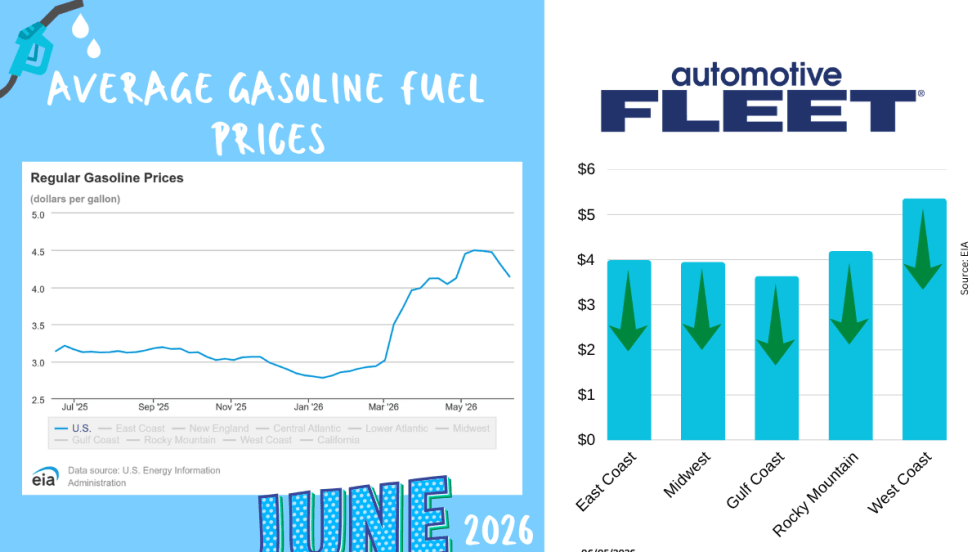
June Fuel Update: Prices Continue to Fall
While prices have continued to decline for four straight weeks, the next weeks don't look as promising.
Read More →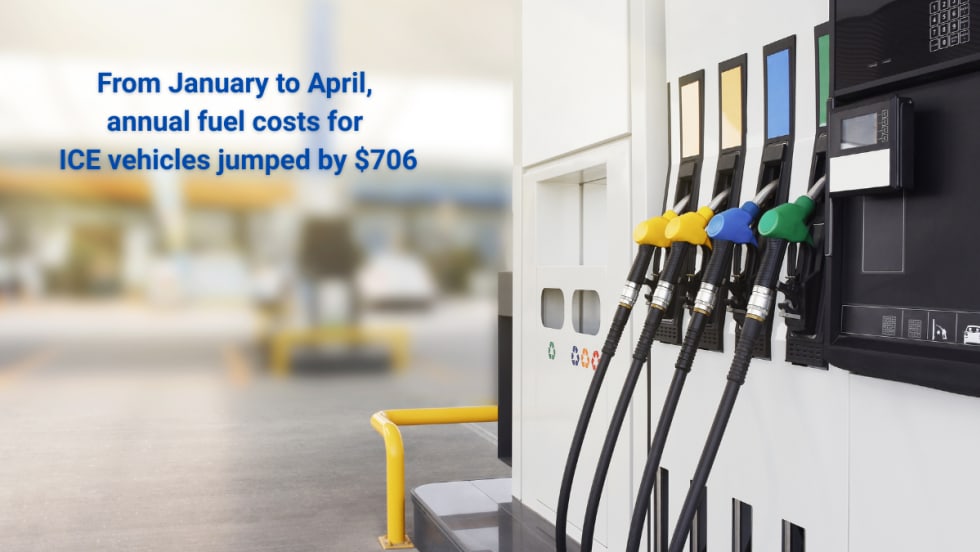
Study: How 2026's Gas Price Hikes Affect Different Vehicle Types
New data from iSeeCars reveals how rising fuel costs have affected different vehicle segments as gasoline prices climbed nearly 46% over the past four months.
Read More →
Are You Tracking Your Fleet's True Total Cost of Ownership?
Bobit Business Media surveyed 190 fleet professionals and found that while most fleets are tracking costs, fragmented systems and data gaps are keeping true TCO visibility out of reach. With rising pressure to control spend in an increasingly volatile environment, the gap between what fleets think they know and what the data actually shows is wider than you might expect. See how your peers are managing costs today and where the industry still has room to improve.
Read More →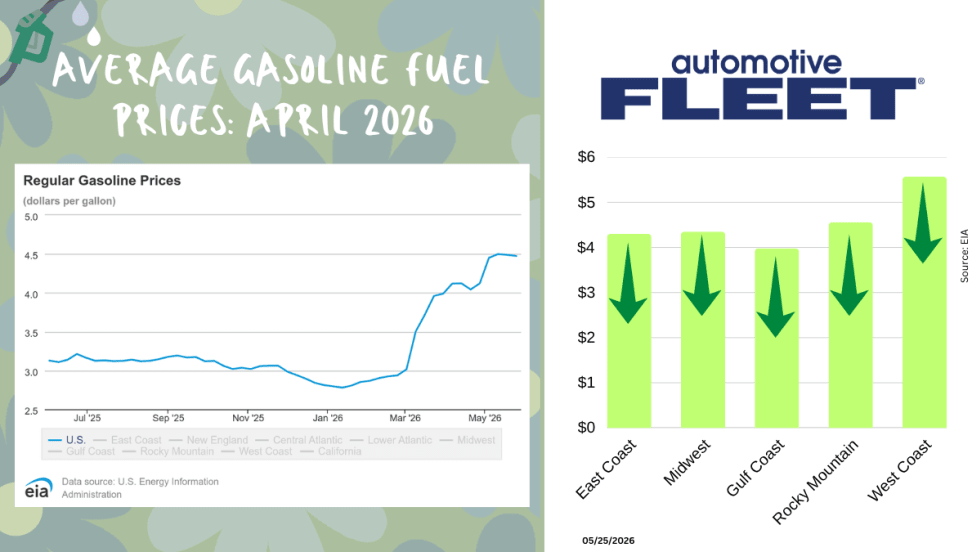
May Fuel Update: All Regions Experience Declines
Gas prices are finally easing in much of the country, but experts warn global tensions could quickly reverse the trend as the national average remains well above last month’s levels.
Read More →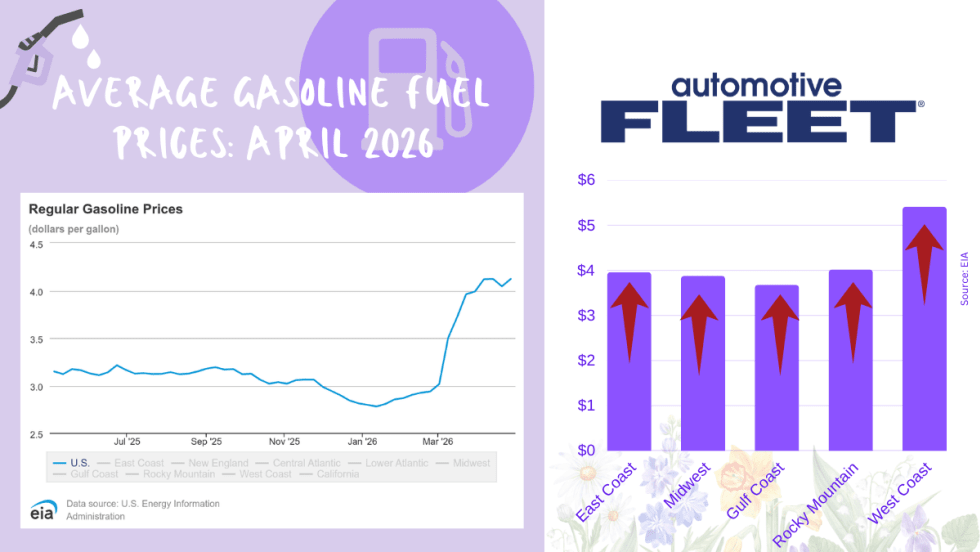
April Fuel Update: Prices Climb Above $4 as Spring Surge Accelerates
National average jumps to $4.04 per gallon, up sharply from last year, with West Coast prices topping $5 and further increases expected amid rising oil tensions.
Read More →
Tips from Fleet Managers on Saving Fuel Costs
Fleet leaders share practical strategies to reduce fuel spend through smarter policy, routing, and driver guidance.
Read More →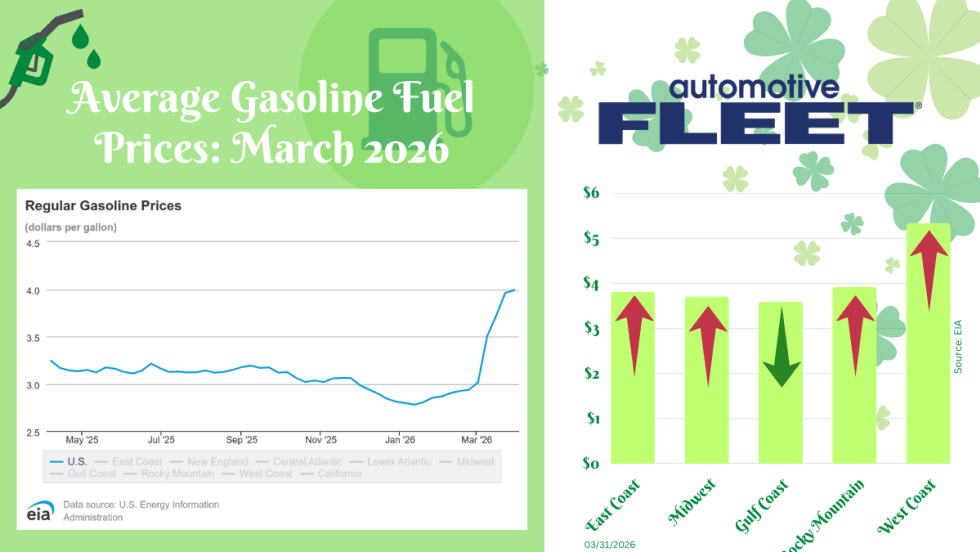
March Fuel Update: Prices Settle With a $4 Average
Fuel prices significantly slowed this week, but a $4 national average is still expected.
Read More →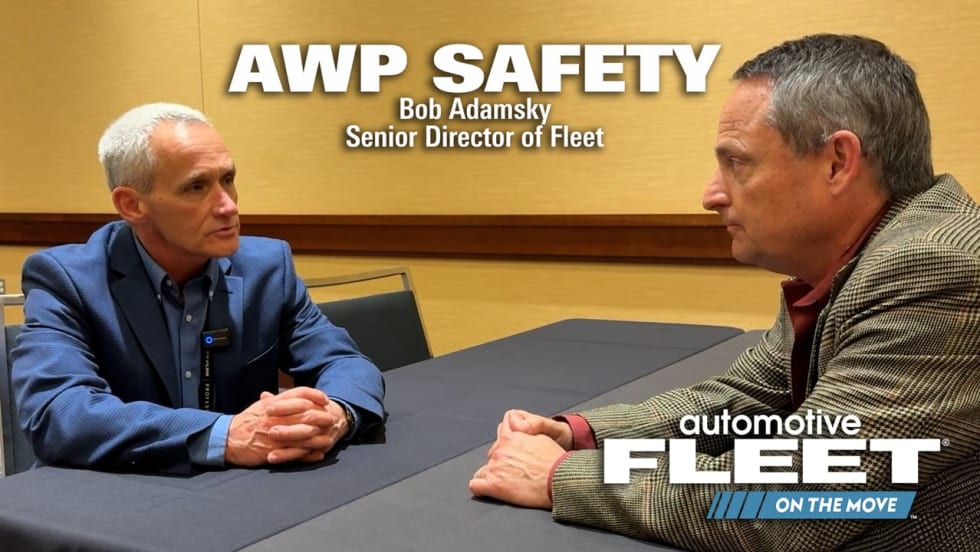
Bob Adamsky on Fuel Volatility: “Don’t Panic — Have a Plan”
With oil prices rising again, AWP Safety’s fleet manager shares how to respond to rising fuel costs and how the right strategy can turn fuel spikes into cost-saving opportunities.
Read More →
Oil Market Turbulence Is Complicating Fleet Cost Planning
Rapid swings in crude oil prices driven by the conflict in the Middle East could create longer-term cost pressures for fleets, affecting fuel prices, supply chains, and vehicle strategy, says NTEA’s Andrew Wrobel.
Read More →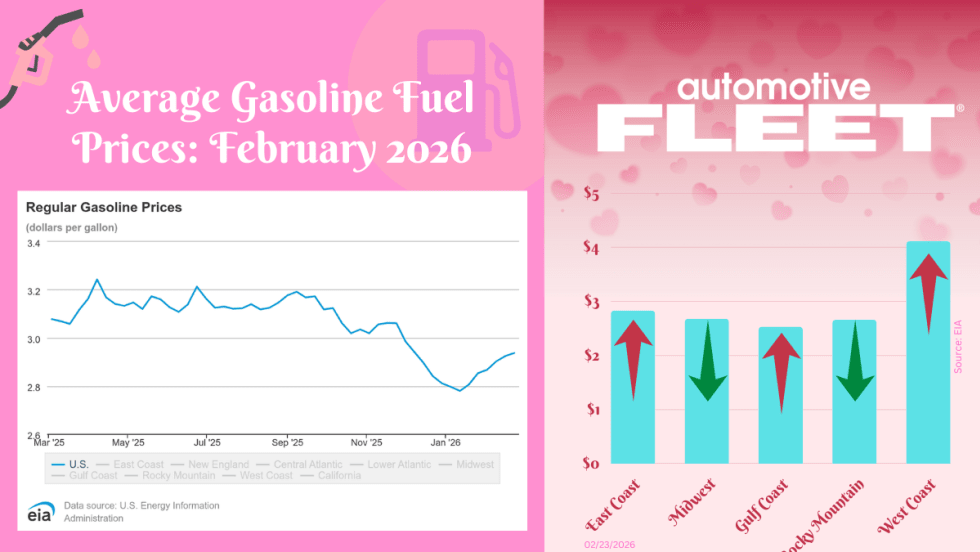
February Fuel Update: Prices Inch Higher for Third Week in a Row
The final February fuel update reveals prices continuing to inch higher for the third week in a row.
Read More →